
Understanding the SRA Curve: Optimizing Training Through Stimulus, Recovery, and Adaptation
Introduction to the SRA Curve
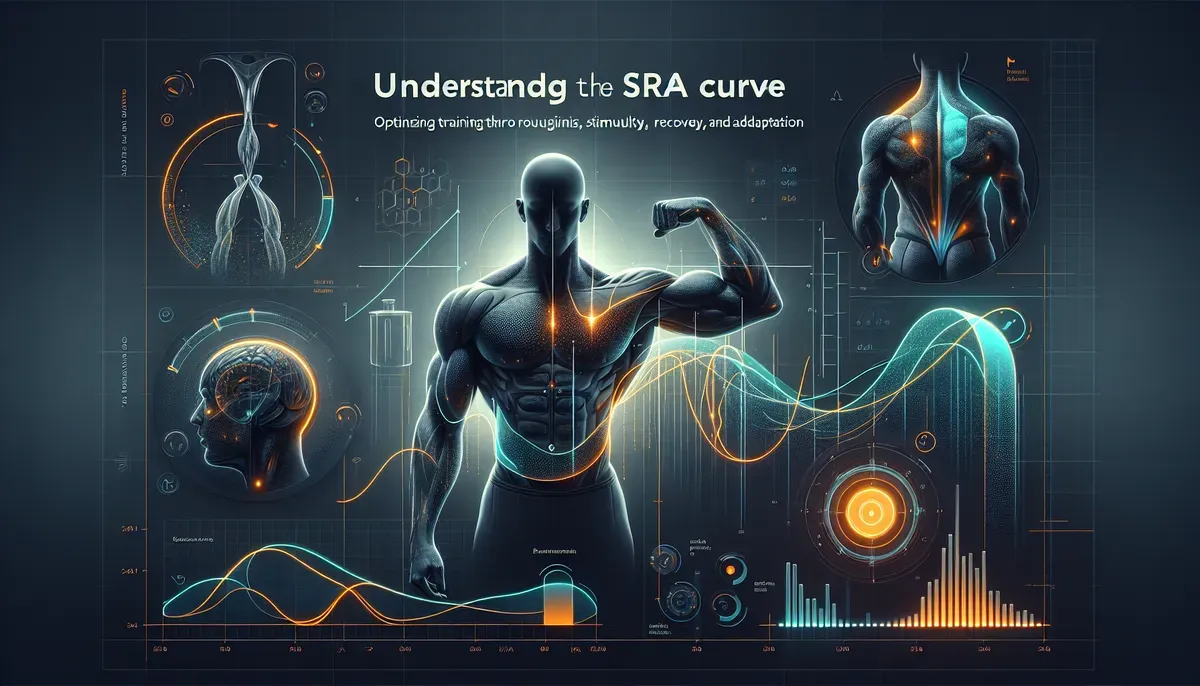
The SRA (Stimulus, Recovery, Adaptation) curve is a foundational concept in exercise science that describes the physiological responses to training stimuli. Understanding this curve is crucial for athletes and coaches aiming to optimize performance through scientifically grounded training regimens. The SRA model emphasizes the importance of balancing training stimulus with adequate recovery to achieve supercompensation, a state where an athlete's performance surpasses previous levels.
Incorporating the SRA curve into training programs allows for strategic planning regarding training frequency and intensity. By recognizing the phases of stimulus, recovery, and adaptation, individuals can mitigate the risk of overtraining while maximizing performance gains. This article will delve into the intricacies of the SRA curve, supported by empirical evidence, and offer practical applications for athletes and trainers.
Understanding the SRA Curve
The SRA curve illustrates three critical phases in response to training: the stimulus phase, the recovery phase, and the adaptation phase. Initially, a workout provides a stimulus that disrupts homeostasis, leading to fatigue and a temporary decrease in performance. This is the stimulus phase, where the body undergoes stress from physical exertion. According to Zatsiorsky and Kraemer (2006), this initial disruption is essential for initiating physiological changes necessary for improved performance.
Following the stimulus, the recovery phase begins. During this period, the body repairs the damage caused by training, replenishes energy stores, and restores homeostasis. Recovery duration can vary significantly depending on the intensity and volume of training, as well as individual factors such as nutritional status and sleep quality. This phase is crucial; inadequate recovery can hinder the supercompensation process, leading to diminished performance and increased risk of injury.
The Supercompensation Phenomenon
Supercompensation is the phase following recovery where the body adapts to the training stimulus, resulting in an enhanced capacity for future performance. This concept is illustrated by the SRA curve, where performance levels temporarily exceed baseline levels after a proper recovery period. Research by Haff and Triplett (2016) emphasizes that the timing and quality of recovery significantly influence the extent of supercompensation, making it a key focus for athletes.
To effectively harness supercompensation, it is vital to time subsequent training sessions to coincide with peak recovery. If training resumes too early, prior adaptations may not be fully realized, while training too late can lead to a loss of training effects. Thus, understanding the dynamics of supercompensation is essential for optimizing training schedules and ensuring continual performance improvements.
The Role of Training Frequency
Training frequency is a critical variable in the SRA model, influencing both the stimulus and recovery phases. Research indicates that higher training frequencies can lead to greater overall stimulus, provided that recovery protocols are adequately implemented. A study by Schoenfeld et al. (2016) showed that training a muscle group multiple times per week can enhance hypertrophic responses compared to traditional training methods that focus on single-session training.
However, the relationship between frequency and recovery is complex. Increased training frequency necessitates a more nuanced approach to recovery strategies. Athletes must consider factors such as nutrition, hydration, and sleep to facilitate optimal recovery. Implementing periodized training plans that account for varying frequencies can help athletes navigate the SRA curve effectively, ensuring that they reap the benefits of supercompensation while minimizing fatigue.
Practical Application of the SRA Curve
Applying the SRA model in real-world training requires careful monitoring of training loads and recovery metrics. Coaches and athletes should employ tools such as training logs, heart rate variability assessments, and subjective fatigue scales to gauge the body's response to training stimuli. These metrics can provide insight into when to increase the training load or emphasize recovery, aligning with the principles of the SRA curve.
Additionally, adopting a periodized training approach can facilitate adherence to the SRA model. This can be accomplished by structuring training phases that alternate between periods of high stimulus and focused recovery. For example, implementing a microcycle that includes varied intensities and recovery days can help athletes maximize their performance adaptations while minimizing the risk of overtraining.
Research Supporting the SRA Curve
Numerous studies have explored the SRA curve and its implications for training. One notable study by Issurin (2010) detailed the effects of varying training loads on recovery and adaptation, highlighting the importance of tailoring training frequencies to individual responses. The findings suggest that personalized training regimens that consider the SRA model can lead to enhanced performance outcomes.
Moreover, a systematic review by Grgic et al. (2020) analyzed the effects of different training frequencies on strength and hypertrophy adaptations. The review concluded that training frequency, when aligned with optimal recovery strategies as per the SRA model, significantly influences muscle growth and strength development. These studies underscore the empirical foundations of the SRA curve, reinforcing its relevance in contemporary exercise science.
Conclusion
The SRA curve provides a vital framework for understanding the interaction between training stimulus, recovery, and adaptation. By recognizing the importance of timing and recovery in the training process, athletes can optimize their performance and minimize the risks associated with overtraining. The integration of empirical research into practical training applications allows for a more comprehensive approach to athletic development.
Ultimately, the effective utilization of the SRA curve requires a commitment to continuous learning and adaptation. As training methodologies evolve, so too must the strategies employed by athletes and coaches, ensuring that they remain at the forefront of performance optimization.
Key Takeaways
• The SRA curve consists of stimulus, recovery, and adaptation phases.
• Supercompensation is achieved through strategic recovery following training stimuli.
• Training frequency must be balanced with recovery to optimize performance gains.
• Monitoring recovery metrics is crucial for effective application of the SRA model.
• Personalized training regimens can enhance adaptations and minimize risks.
• Empirical research supports the efficacy of the SRA curve in training methodologies.
Ready to apply this to your training?
phase.fitness generates personalized, periodized programs based on the science you just read.
Sign Up for FreeReferences
- Zatsiorsky, V. M., & Kraemer, W. J. (2006). Science and Practice of Strength Training. Human Kinetics.
- Haff, G. G., & Triplett, N. T. (2016). Essentials of Strength Training and Conditioning. Human Kinetics.
- Schoenfeld, B. J., Ogborn, D., & Krieger, J. W. (2016). Effects of Training Frequency on Measures of Muscle Hypertrophy: A Systematic Review and Meta-Analysis. Sports Medicine, 46(11), 1689-1697.
- Issurin, V. B. (2010). New Horizons for the Methodology and Physiology of Training Periodization. Sports Medicine, 40(3), 189-206.
- Grgic, J., & Schoenfeld, B. J. (2020). Strength and Hypertrophy Adaptations Between High- vs. Low-Training Frequency: A Systematic Review and Meta-Analysis. Journal of Sports Sciences, 38(13), 1478-1489.
The phase.fitness Team
The phase.fitness team combines expertise in exercise science, sports nutrition, and AI-driven training methodology. Our content is grounded in peer-reviewed research.
Explore science
More evidence-based articles in this topic
Understanding Muscle Adaptation: Hypertrophy vs Neural Adaptation
Explore muscle hypertrophy and neural adaptation in strength training. Learn how they differ and their implications for training regimens.
Understanding Progressive Overload: Mechanisms and Optimal Rates for Muscle Adaptation
Explore the mechanisms of progressive overload and its role in muscle adaptation and strength progression.
Linear vs Undulating Periodization: A Comprehensive Review of Current Research
Explore the differences between linear and undulating periodization and their impacts on strength gains based on recent research.
Block Periodization: Evidence and Application in Strength Training
Explore block periodization's evidence and application in strength training with scientific insights.