Strength & physique
phase.fitness for calisthenics athletes
Skill work is strength work with prerequisites, and every other app treats it as a video to copy. phase.fitness places you on the progression, prescribes the step, the holds and the rest, and counts the session in the same week as everything else.
Updated
The short answer
phase.fitness programs calisthenics from a catalogue of 260 exercises arranged in 34 progressions with mastery standards. You pick up to three skills — muscle-up, front lever, planche, handstand, human flag and others — an assessment places you on the first step you have not mastered, and each session leads with one skill while the others get their current step as maintenance, with balanced push, pull, core and leg accessories. It is deterministic: no model, no credits, the same plan for the same inputs. Sessions run in the phase.fitness built-in player with the hold timer and the step on screen, and sit in the same program as barbell or cardio days.
How do you train several calisthenics skills at once?
By rotating which one leads. phase.fitness takes up to three skills; each session leads with one at its full prescription while the others get their current step as maintenance, with balanced push, pull, core and leg accessories, so three goals stay one program instead of becoming three that compete for the same recovery.
Is there an app that tracks calisthenics progressions?
phase.fitness does: its catalogue holds 260 exercises in 34 progressions, each step with a prescription and a mastery standard. An assessment places you on the first step you have not mastered, and the built-in player shows the hold timer and the step on screen. It is deterministic, so it costs no AI credits.
Your week, honestly
The progression is a YouTube playlist.
Steps with no standards, no sets, no rest — and no way to know whether you should be on the tuck or the advanced tuck.
Three skills become three programs.
Front lever, planche and handstand each want a session, and the week has room for one.
Nothing counts it.
The skill day lives outside the app that tracks your lifts, so no plan reads it and no phase adapts to it.
What phase.fitness does about it
Every skill in the catalogue has steps with a prescription — sets, reps or hold seconds — and a standard that moves you on. The assessment places you; the log advances you.
Up to three skills, one week
One skill leads each session in rotation while the others get their current step as maintenance, so three goals share a week instead of fighting for it.
Deterministic and free
Calisthenics sessions are built from the catalogue, not by a model: generating or regenerating a phase costs no credits and produces the same plan for the same inputs.
The built-in player
Hold timer, progression step and rest countdown on screen — because no external catalogue contains a straddle front lever to send the session to.
Programs to start from
Each of these is a page of its own, with the phases, a sample week and the evidence behind it.
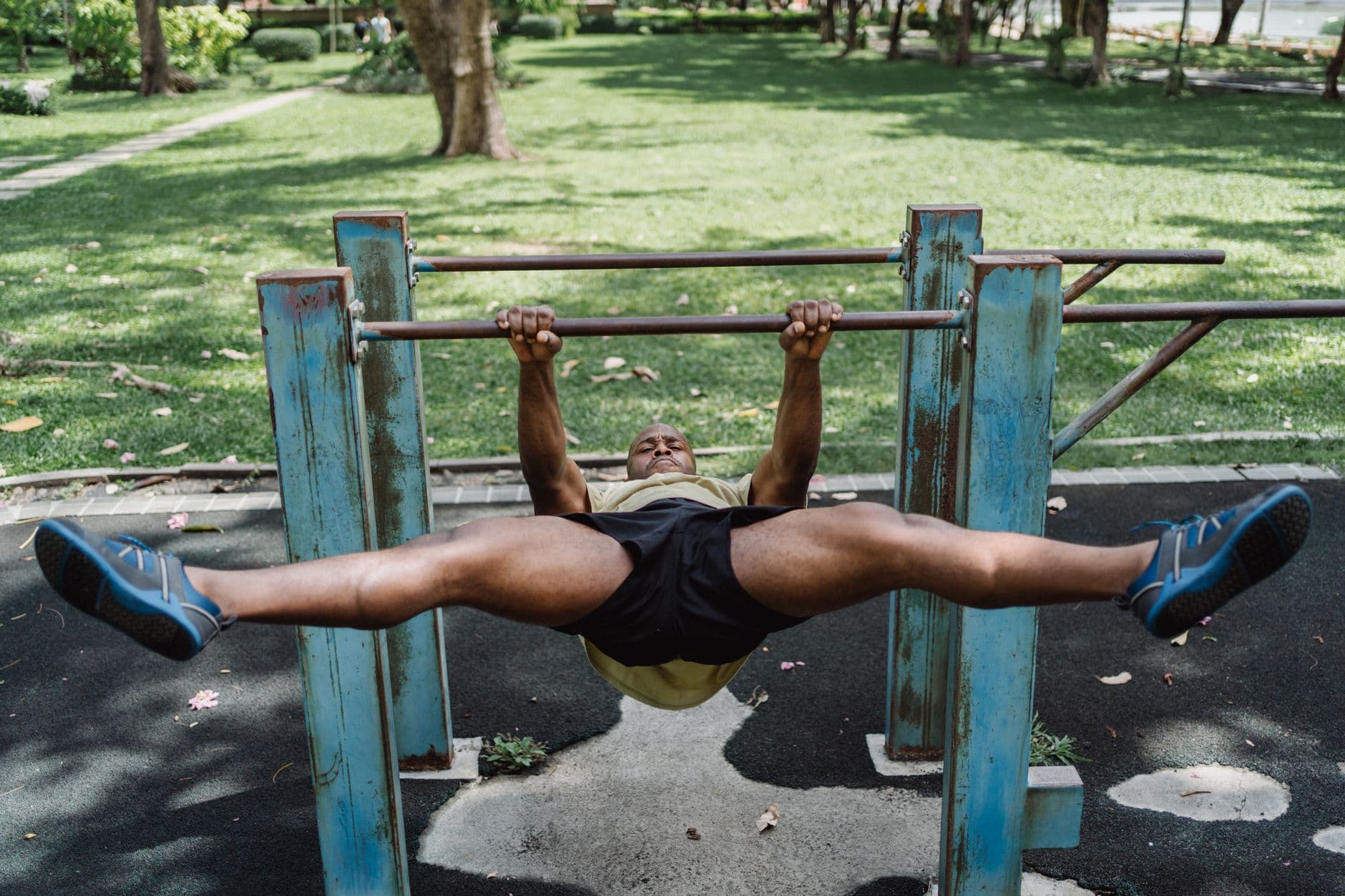
KMuscle-up program: from negatives to strict8–12 wk · 2–3 d/wk · intermediate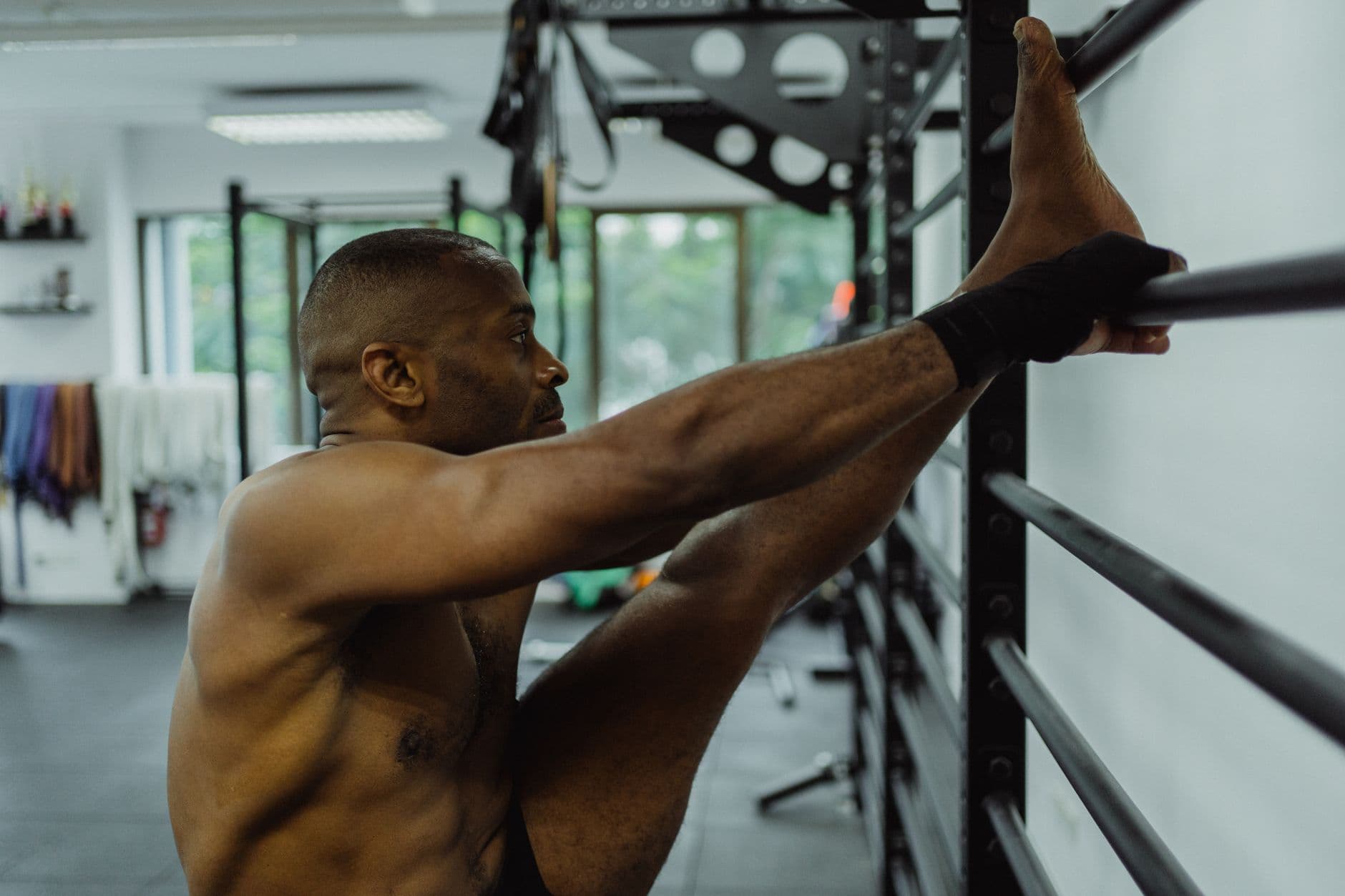 KFront lever program: tuck to full, with holds12–24 wk · 2–3 d/wk · intermediate
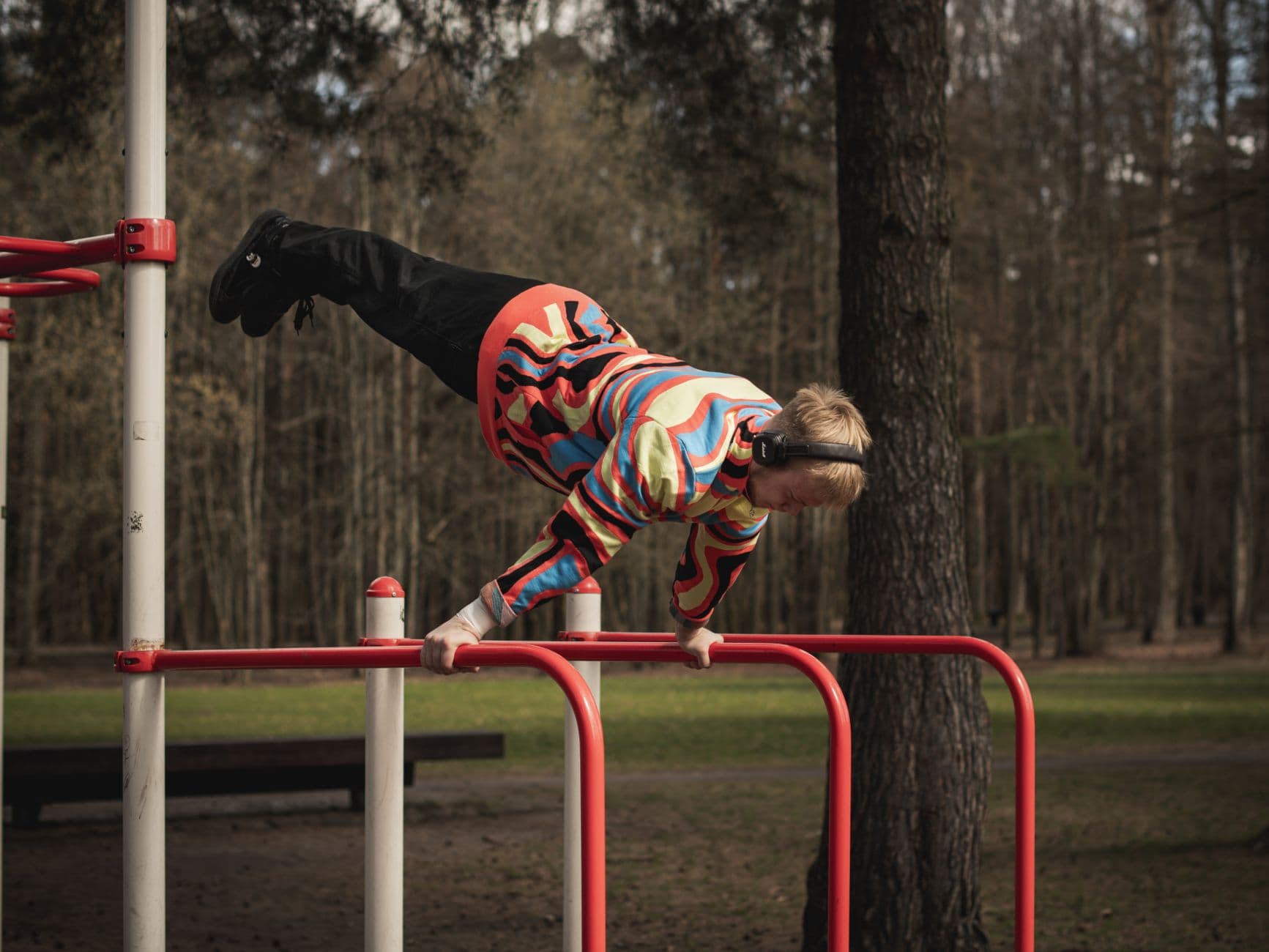 KPlanche program: frog stand to straddle and full16–52 wk · 2–3 d/wk · advanced
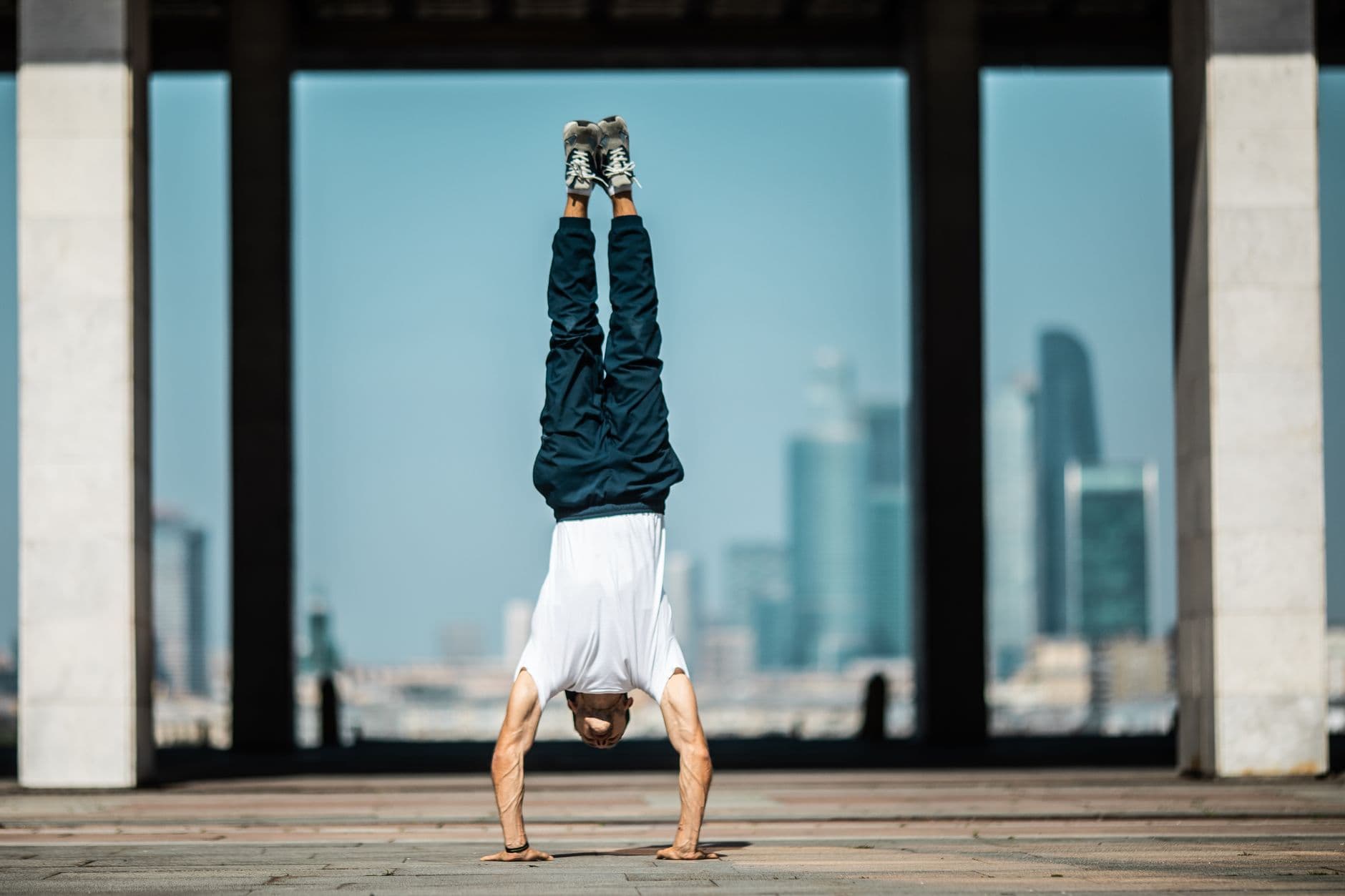 KHandstand program: wall to freestanding8–24 wk · 3–5 d/wk · beginner
 SKCalisthenics and weights in one program8–12 wk · 4–5 d/wk · intermediate
The apps you already use
Calisthenics sessions are not pushed to any external app, by design. If your program also has barbell or cardio days, those sync as usual:
The evidence
The documents this page is built from
These are the knowledge-base documents the phase.fitness generator reads for this case. The phases, bands and weekly numbers above are transcribed from them.
- Relative Strength and Neuromuscular Control for Skill and Aesthetic Sports — updated 2026-02-21, gymnastics
Read more in the knowledge base
Frequently asked questions
Which skills can I train in phase.fitness?
In phase.fitness: muscle-up, front lever, back lever, planche, planche push-up, handstand, handstand push-up, one-arm chin-up, human flag, manna, press to handstand, pistol squat, one-arm push-up, iron cross, maltese and others — each with a full progression behind it, not just a name.
Do calisthenics programs use AI credits?
No. phase.fitness builds them deterministically from the progression catalogue, so generating or regenerating a phase is free. The AI is used for barbell and cardio days, if your program has them.
Can I add calisthenics to a lifting program?
Yes. From the phase.fitness calisthenics section, Add to my program brings your chosen skills into the current phase without regenerating the gym or cardio days, and the calendar is rewritten from the first free week.
The only app that plans strength, cardio and calisthenics together
Here the whole point is the calisthenics day: skill work programmed as strength, with steps, holds and rest, counted in the same phases as anything else you train.
Right now, phase.fitness is the only training app that writes strength, cardio and calisthenics into one periodized program — same calendar, same phases, same recovery budget.
You choose the mix. A calisthenics-only plan, a cardio-only block, strength plus cardio, or all three: the phases, the end-of-phase analysis and the sync work the same way with one modality or three.
Why calisthenics is in the plan
Bodyweight skill work is strength training in a different shape. Straight-arm work, levers and handstands build scapular control, tendon capacity and relative strength that barbell and machine work leave untouched, and they transfer because they are closed-chain, whole-body patterns. Treated as a modality rather than a warm-up, they get sets, holds and progressions like a squat does.
No exercise catalogue on the market contains a tuck front lever, so those sessions run in the phase.fitness built-in player; strength goes to Hevy, Liftosaur or a Garmin watch, cardio to Garmin and Intervals.icu. How the skill work is programmed.
Free to start, no card. Connect the apps you already use and build the first phase.