Sport-specific
Relative Strength and Neuromuscular Control for Skill and Aesthetic Sports
gymnastics · all levels · relative strength, flexibility, body control, power to weight
Updated
How this document is used
This is one of the 44 documents the phase.fitness generator reads before writing a phase. It receives the principles below as context, and the numbers in it become the bands a generated program has to respect. The references at the end are stripped from the prompt — the model is not allowed to cite studies — and kept here, for you to check.
Gymnastics, dance, figure skating, diving and cheerleading share a defining constraint: the athlete must move their own body, precisely, through large ranges of motion, often in the air. Performance is force relative to bodyweight, expressed with control, in positions most strength athletes never occupy.
That constraint inverts several assumptions from general strength training. Added muscle that does not contribute to the skill is a load carried through every element. Range of motion is not a warm-up concern but a performance requirement. And strength held statically, at the end of a range, matters as much as strength expressed dynamically through the middle of one.
Key Principles
1. Strength without mass: train the nervous system
The goal is a higher force ceiling at the same bodyweight, which means neural adaptation rather than hypertrophy: heavy loads (85–95% 1RM where external loading is used), low repetitions (1–5), long rests (3–5 minutes), and moderate total volume.
The same logic governs bodyweight work: progression comes from harder leverage, not from more repetitions. Twenty push-ups builds endurance; a planche lean builds strength.
2. Progressive overload through leverage
Where a lifter adds plates, these athletes shorten the lever:
- Push: push-up → decline push-up → ring push-up → pseudo-planche push-up → planche lean.
- Pull: pull-up → L-sit pull-up → typewriter pull-up → archer → one-arm progressions.
- Core: tuck front lever → advanced tuck → straddle → full front lever.
Each step increases muscular demand at the same bodyweight. The progression is measured in months, because the connective tissue that supports these positions adapts far more slowly than the muscle that produces them.
3. Active range beats passive range
Passive flexibility — how far a limb can be moved by an external force — is largely irrelevant to performance if the athlete cannot produce force at that range. What matters is active range: the end position reached and held under the athlete's own control.
Training for active range therefore combines stretching with strength at end range, rather than treating them as separate activities. An athlete with large passive range and no end-range strength is not more capable; they are less protected.
4. Isometric strength is a competition quality, not an accessory
Holds — handstands, levers, arabesques, positions maintained through a landing — are scored elements in these sports. Isometric capacity is trained specifically, in the exact joint angles the sport demands, because isometric strength transfers strongly to the trained angle and weakly away from it.
5. Landing is where the loading is
Aerial elements end in landings that produce very high forces over very short durations. Landing mechanics and eccentric capacity are what allow the athlete to absorb them repeatedly across a season, and they are trained as content rather than assumed as a by-product of the skills.
6. These sports carry a documented risk of low energy availability
Aesthetic and weight-sensitive sports have a well-documented association with disordered eating and low energy availability, with consequences for bone density, hormonal health, growth in young athletes, and — eventually — performance itself.
A training plan should never treat bodyweight as a training variable. Where body composition is discussed at all it belongs with a qualified professional, and in young athletes it belongs with a medical one.
Guidelines & Recommendations
Strength parameters
| Quality | Loading | Sets × reps/hold | Rest | Frequency |
|---|---|---|---|---|
| Maximal relative strength | 85–95% 1RM or hard leverage | 3–5 × 1–5 | 3–5 min | 2–3×/week |
| Isometric | Progressive leverage | 3–5 × 5–10 s | 2–3 min | 3–5×/week |
| Power | Bodyweight explosive | 3–5 × 3–6 | 2–3 min | 2–3×/week |
| Eccentric / landing | Controlled, low volume | 3–4 × 3–5 | 2–3 min | 1–2×/week |
Isometric work tolerates the highest frequency in the table because its fatigue cost is low relative to its specificity — which is why handstand practice can be daily and maximal pulling cannot.
Flexibility parameters
| Method | Dose | Frequency |
|---|---|---|
| Dynamic (before training) | 10–15 min | Daily |
| PNF (contract–relax) | 3–4 × 6–10 s contract / 20–30 s stretch | 3–5×/week |
| Loaded end-range | 30–60 s under load | 2–3×/week |
| Passive (after training) | 30–60 s per position | Daily |
The contract–relax method — contracting the target muscle at end range, releasing, then moving deeper — develops range and end-range strength in the same set, which is why it outperforms passive stretching for these athletes.
Placing the work in the week
Skill practice comes first, when the nervous system is fresh — these are precision sports and fatigued practice grooves imprecise patterns. Maximal strength follows. Isometrics and flexibility can be distributed across the week, including on days that are otherwise light.
Heavy eccentric and landing work is kept away from competition and from days with high skill volume, because it produces soreness that degrades exactly the precision the sport is scored on.
Young athletes
These sports frequently train athletes through adolescence. Two adjustments matter: heavy external loading is deferred in favour of leverage progressions until skeletal maturity, and total training volume is monitored against growth periods, when injury risk rises and coordination temporarily regresses. Both are reasons to progress slowly rather than to train differently.
Common programming errors
- Chasing repetitions instead of leverage, which builds endurance in a sport that scores strength.
- Passive flexibility work without end-range strength, producing range the athlete cannot control.
- Training isometrics at convenient angles rather than at the angles the sport requires.
- Skill practice under fatigue, which grooves imprecision.
- Treating bodyweight as adjustable.
Key Takeaways
- Performance is force relative to bodyweight: train the nervous system, not cross-sectional area.
- Progress by shortening the lever, not by adding repetitions.
- Active range — end position held under the athlete's own control — is the quality that matters.
- Isometric strength is a scored quality and transfers to the angle it is trained at.
- Landing and eccentric capacity are content, not a by-product.
- Skill work goes first in the session, always.
- Bodyweight is not a training variable, and in young athletes it is a medical matter.
References
- Jemni, M. (2011). The Science of Gymnastics. Routledge.
- Sands, W. A., et al. (2003). Medicine and Science in Sports and Exercise, 38(4), 720–725.
- Suchomel, T. J., et al. (2016). Sports Medicine, 46(10), 1419–1449.
Source note: Jemni (2011), Sands et al. (2003), Suchomel et al. (2016)
Programs built from this document
 SKDryland strength and conditioning for swimmers8–16 wk · 2–3 dryland d/wk · all levels
 SKClimbing and bouldering strength program8–12 wk · 2 gym + climbing d/wk · intermediate
 SFirst pull-up program: from zero to one strict rep8–12 wk · 3 d/wk · beginner
 KBodyweight-only strength program6–12 wk · 3 d/wk · beginner
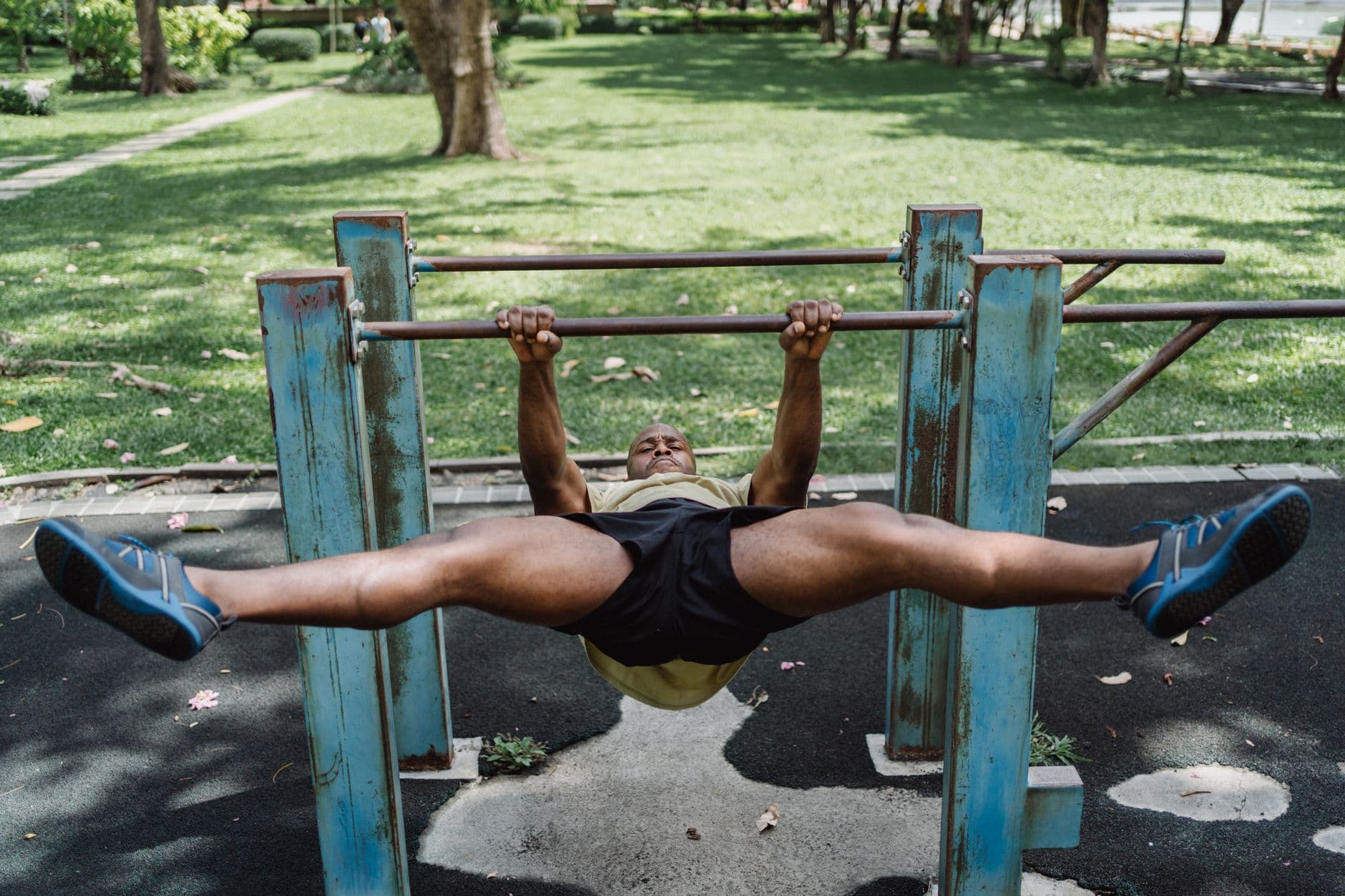 KMuscle-up program: from negatives to strict8–12 wk · 2–3 d/wk · intermediate
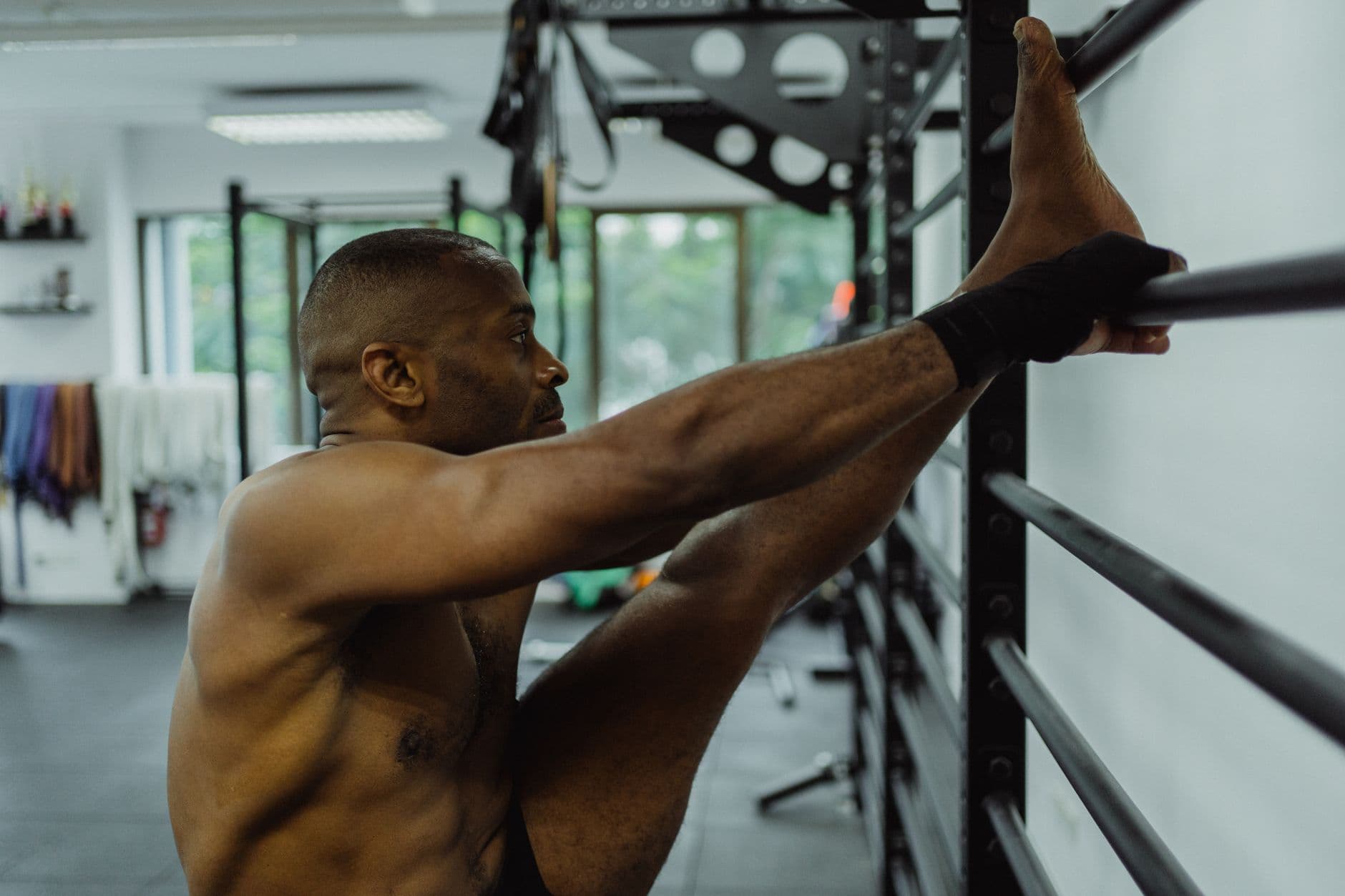 KFront lever program: tuck to full, with holds12–24 wk · 2–3 d/wk · intermediate
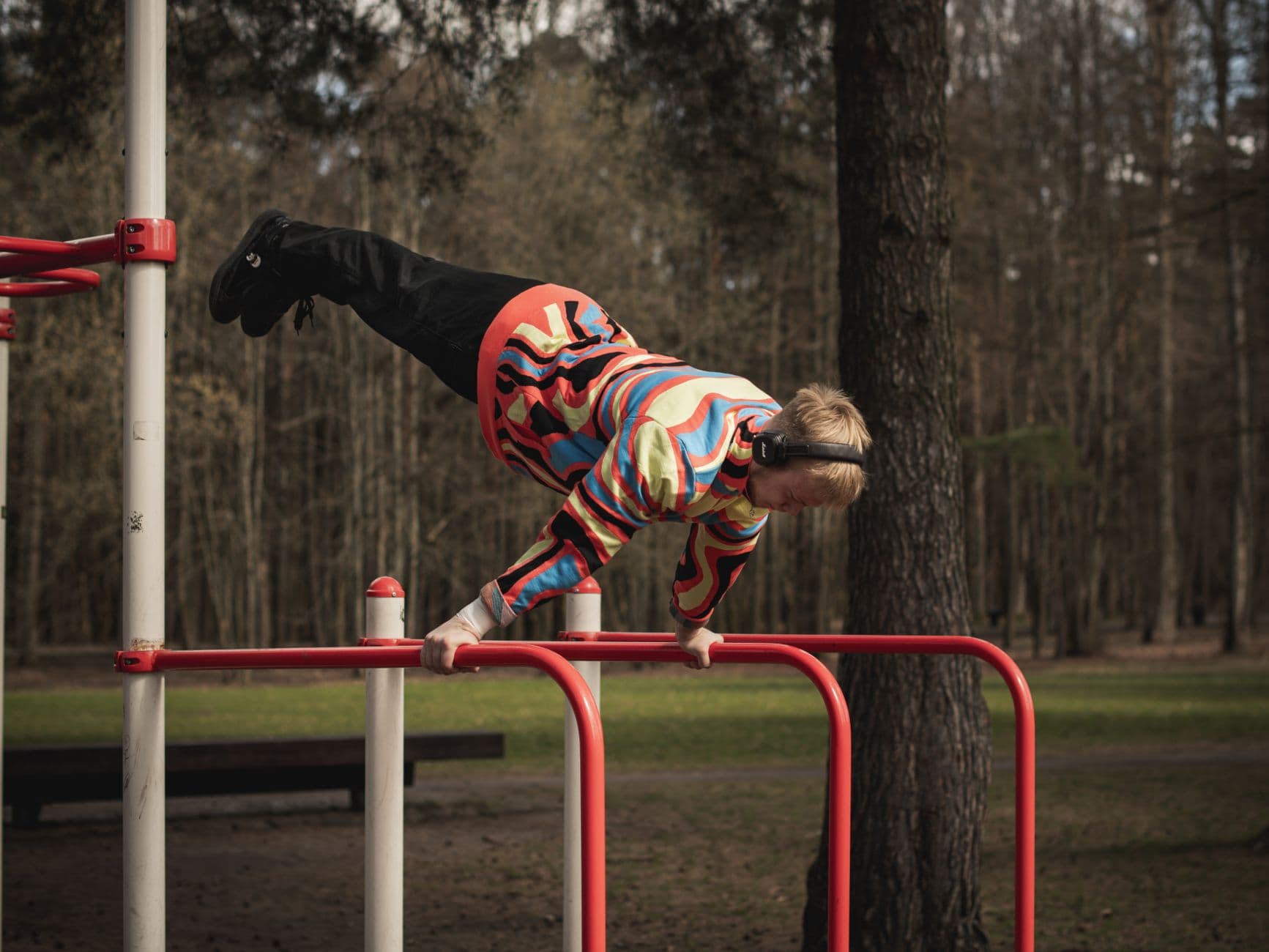 KPlanche program: frog stand to straddle and full16–52 wk · 2–3 d/wk · advanced
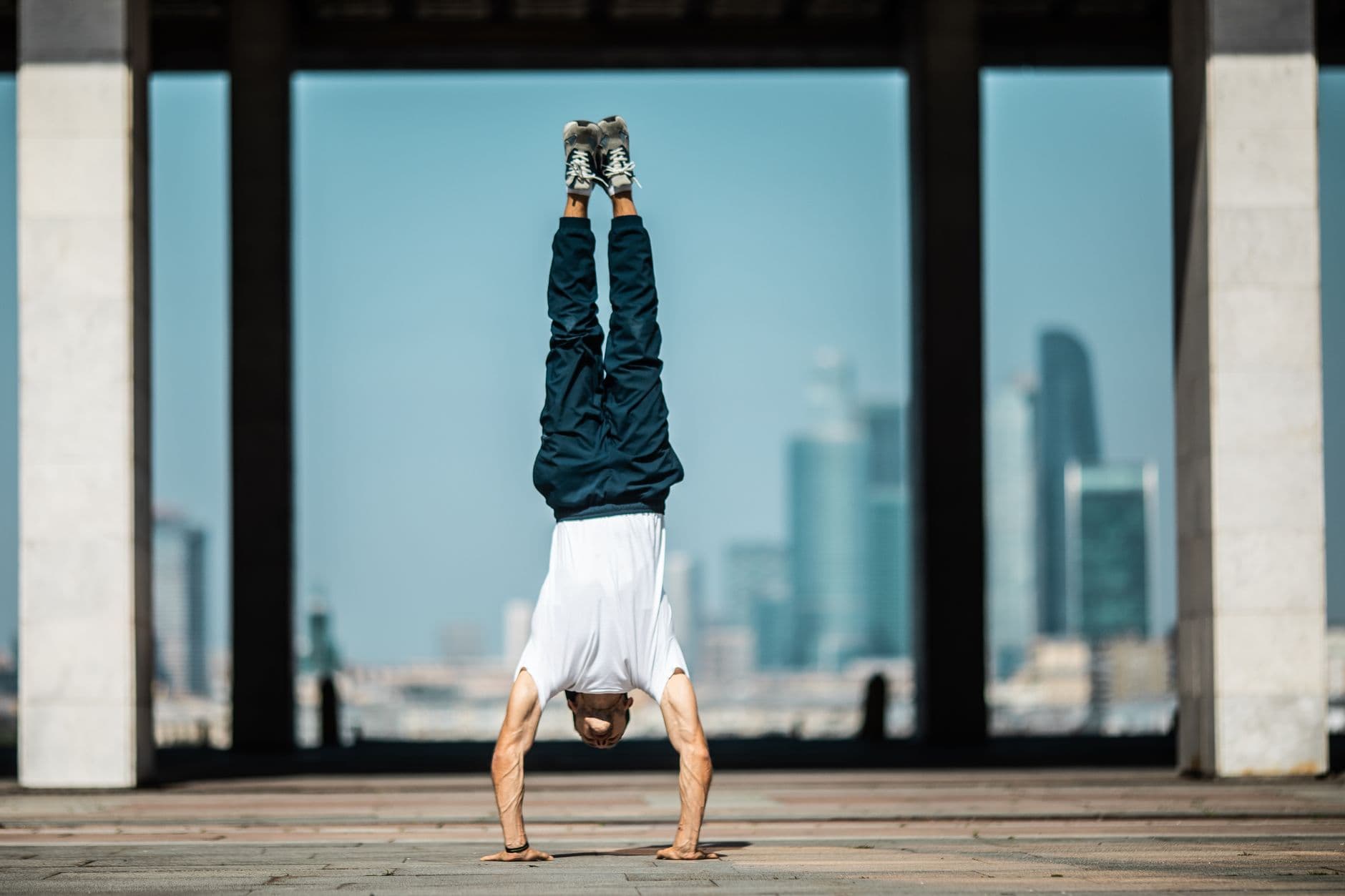 KHandstand program: wall to freestanding8–24 wk · 3–5 d/wk · beginner
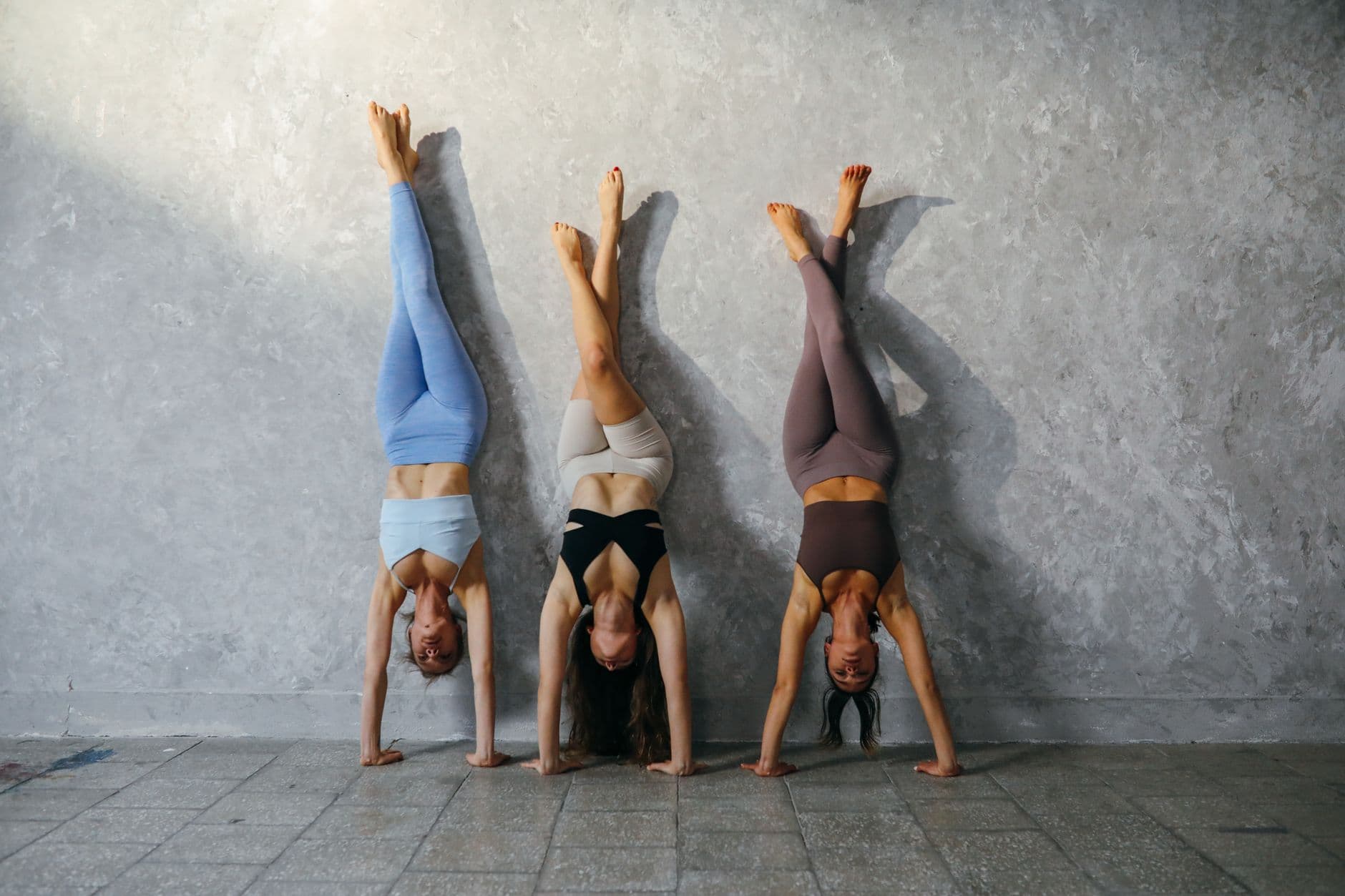 KHandstand push-up program: pike to freestanding8–20 wk · 2–3 d/wk · intermediate
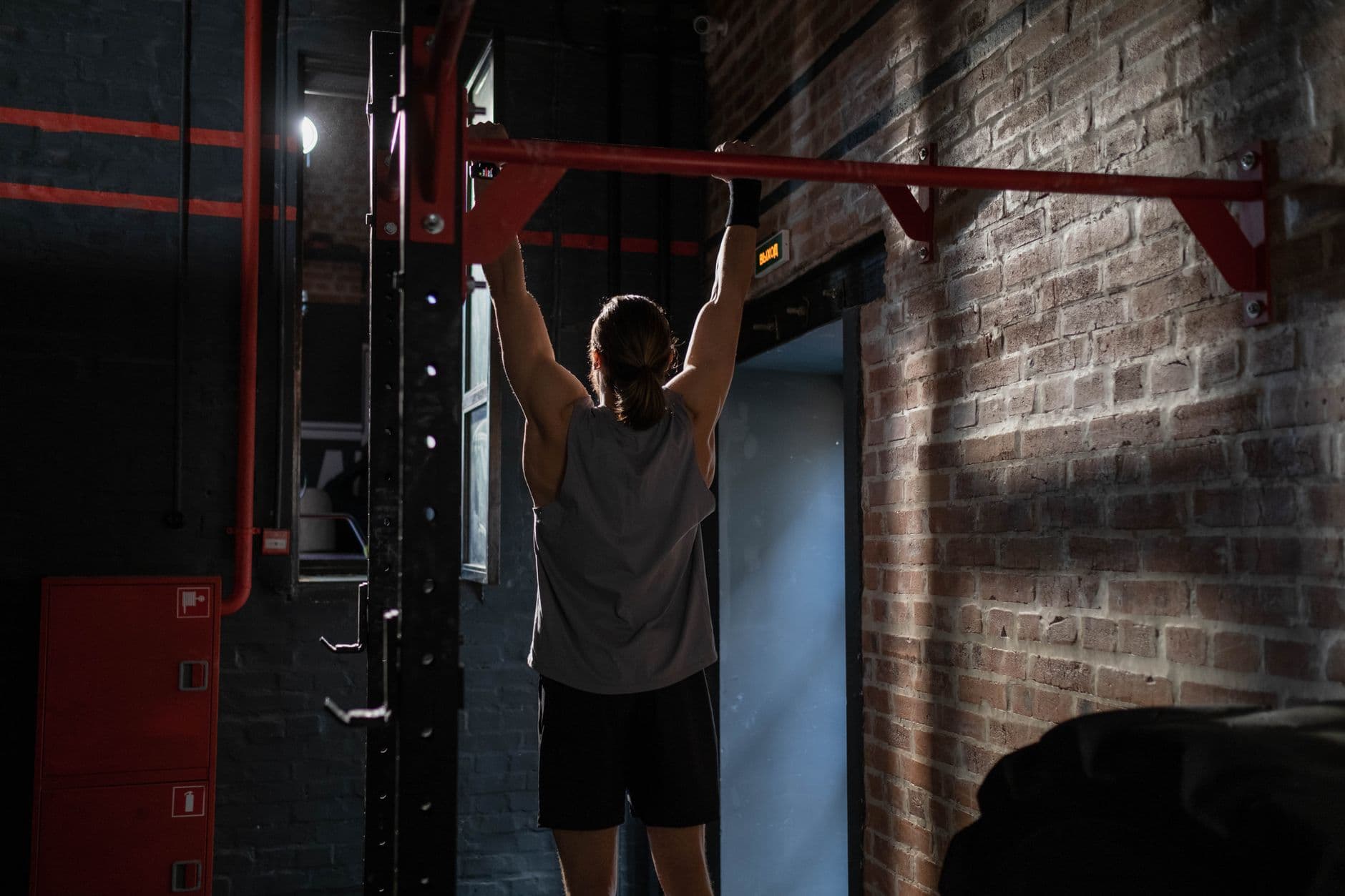 KOne-arm pull-up program: from archer to one arm16–52 wk · 2–3 d/wk · advanced
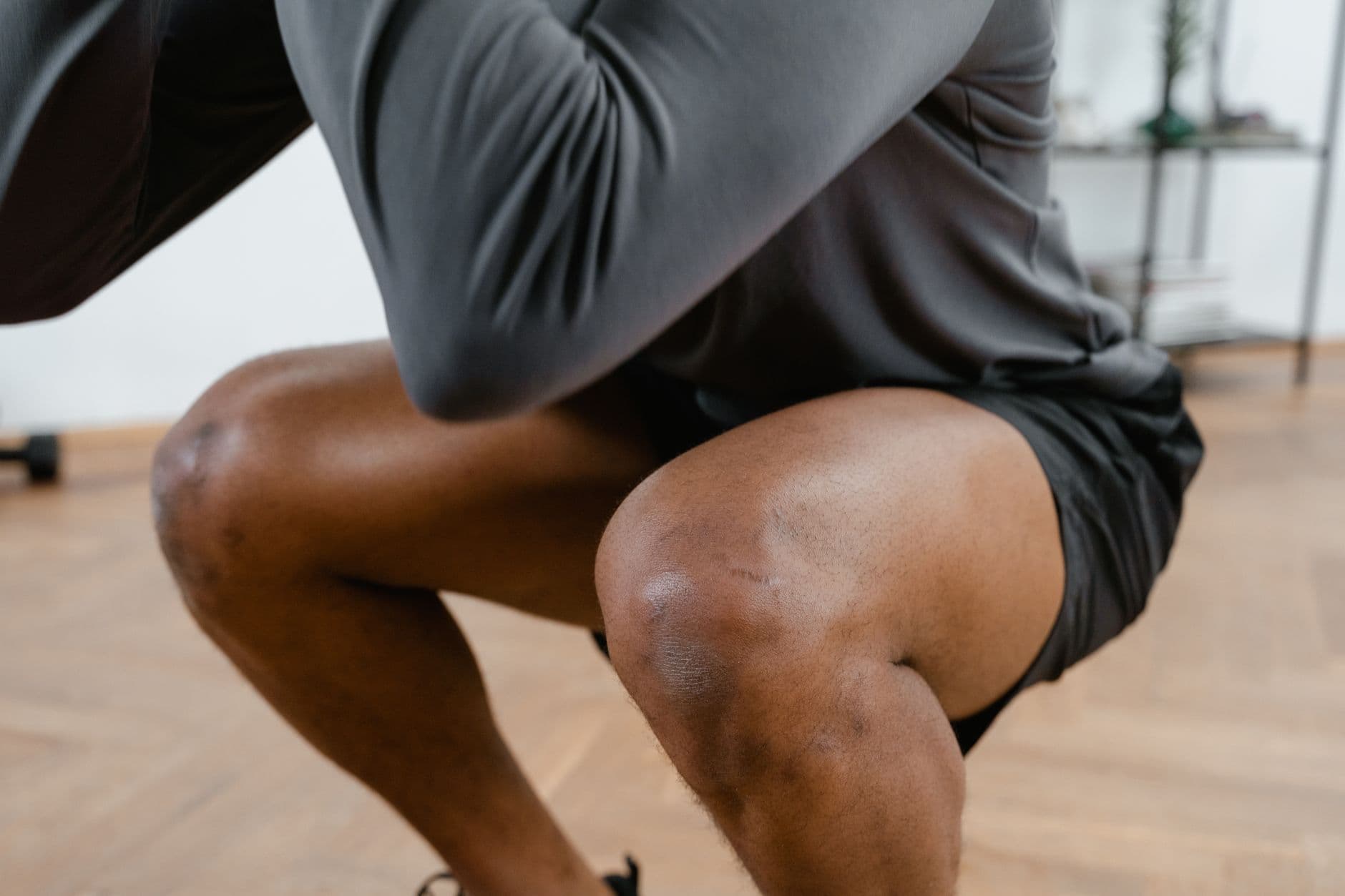 KPistol squat program: from full squat to weighted pistol6–12 wk · 2–3 d/wk · beginner
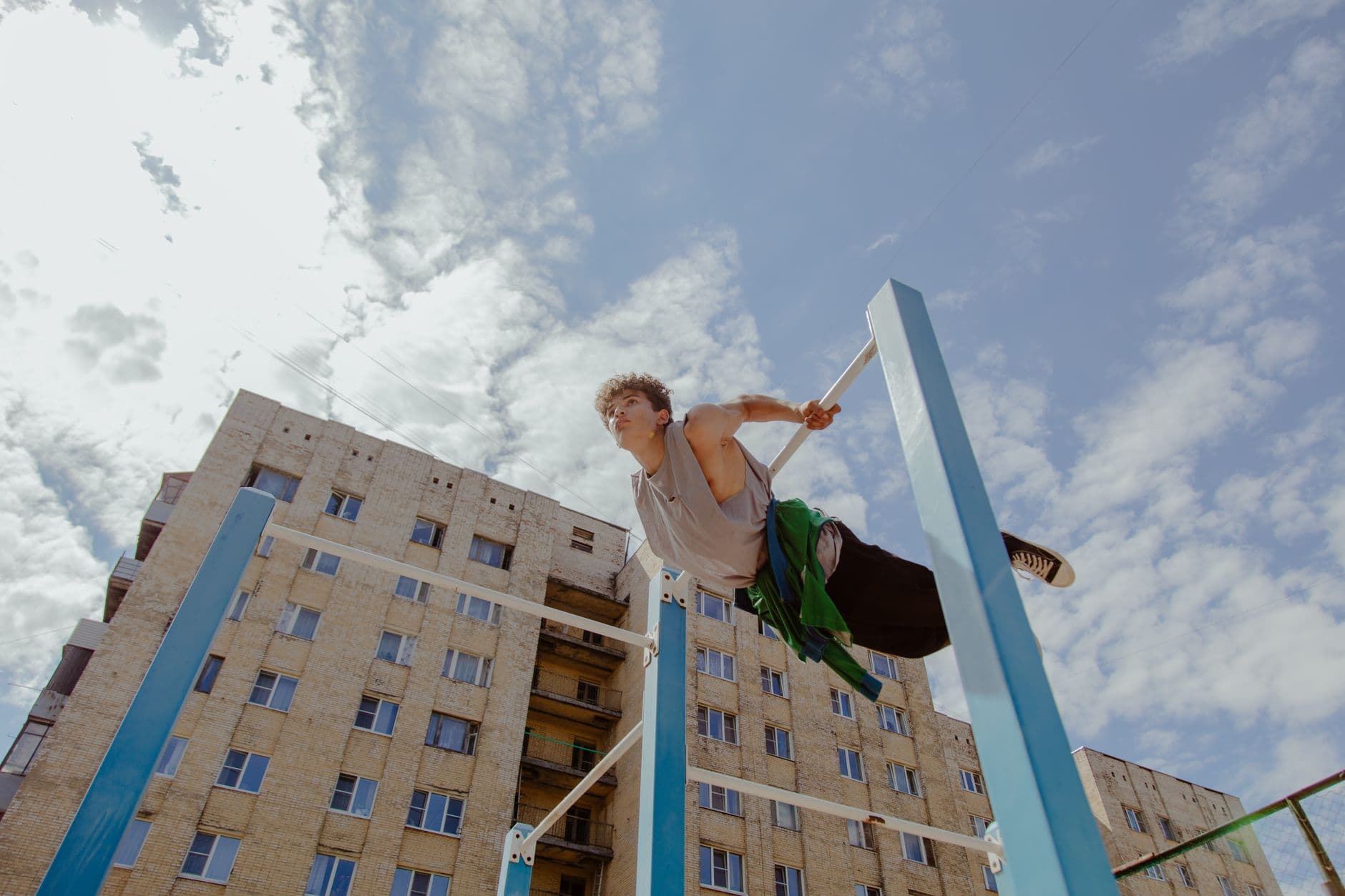 KHuman flag program: tuck to full flag12–24 wk · 2–3 d/wk · advanced
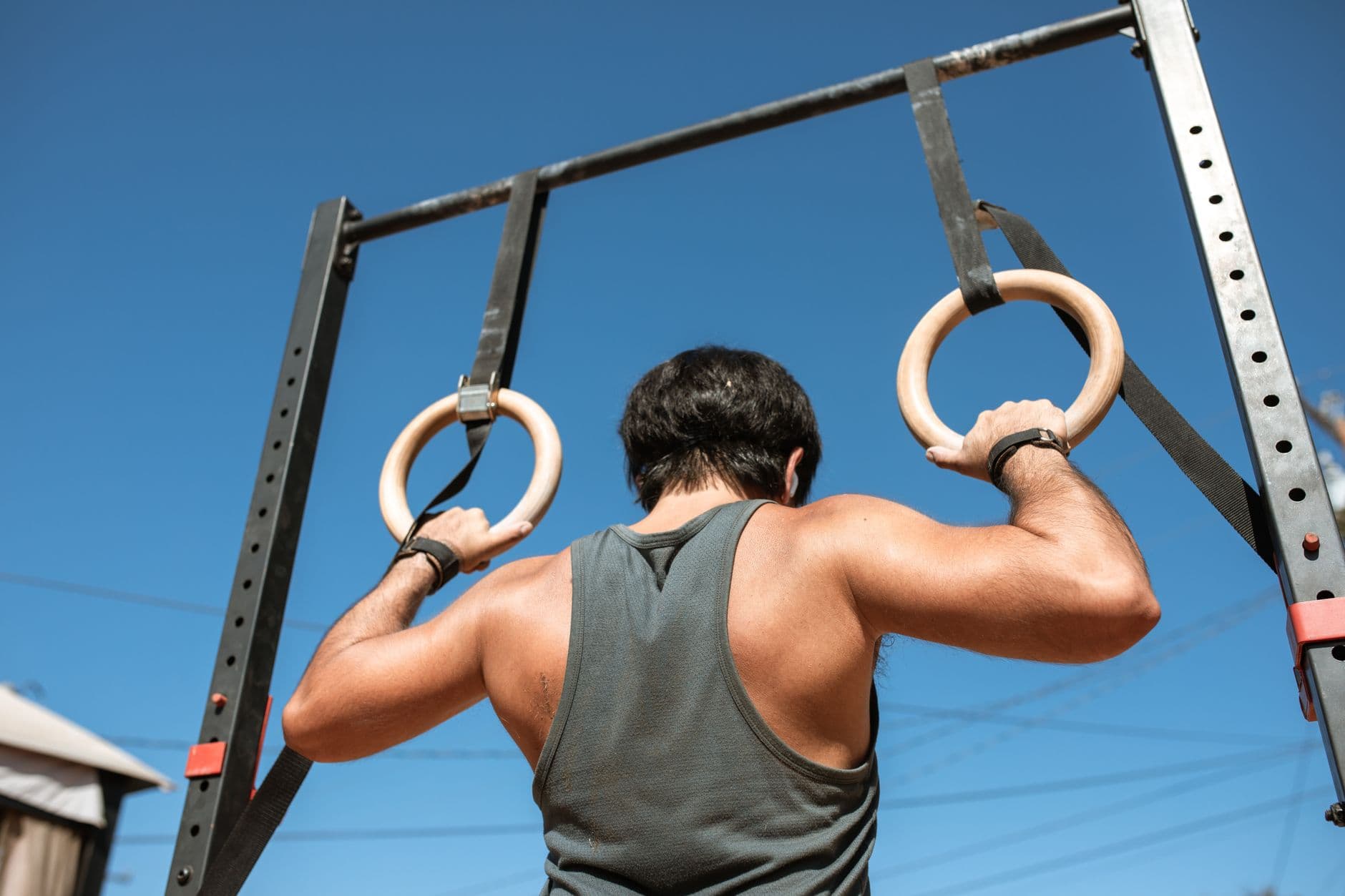 SKCalisthenics and weights in one program8–12 wk · 4–5 d/wk · intermediate
 SCKCrossFit training program: the strength and engine around the workouts8–12 wk · 5–6 d/wk · intermediate
 SCKStrength, cardio and calisthenics: one periodized program8–16 wk · 5–6 d/wk · all levels