Training programs
Training programs for every sport and goal
Periodized programs for twenty-one sports, the classic strength splits, eight calisthenics skills and hybrid weeks. Each page shows the phases, a sample week and the document the phase.fitness generator reads for that case.
Sport performance
Strength and conditioning built around a sport, from the document the phase.fitness generator reads for that discipline: phases, weekly bands, in-season rules.
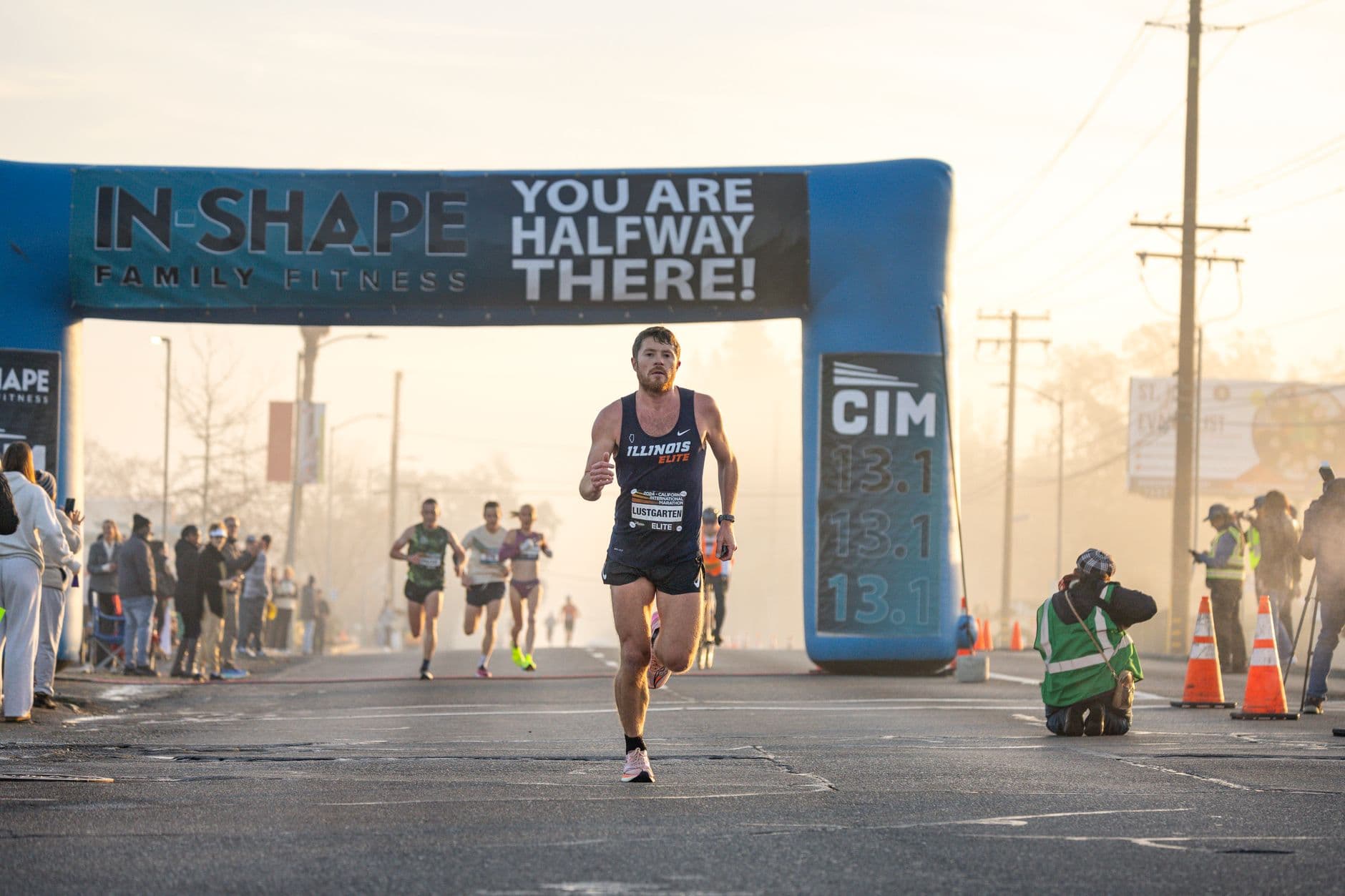 CS5K and 10K training plan, with the lifting built inphase.fitness writes a 5K or 10K block as phases — base, build, sharpen — with two heavy, low-volume strength days placed where they cannot spoil a quality run, and a taper that starts from your race date.8–12 wk · 4–5 d/wk · all levels
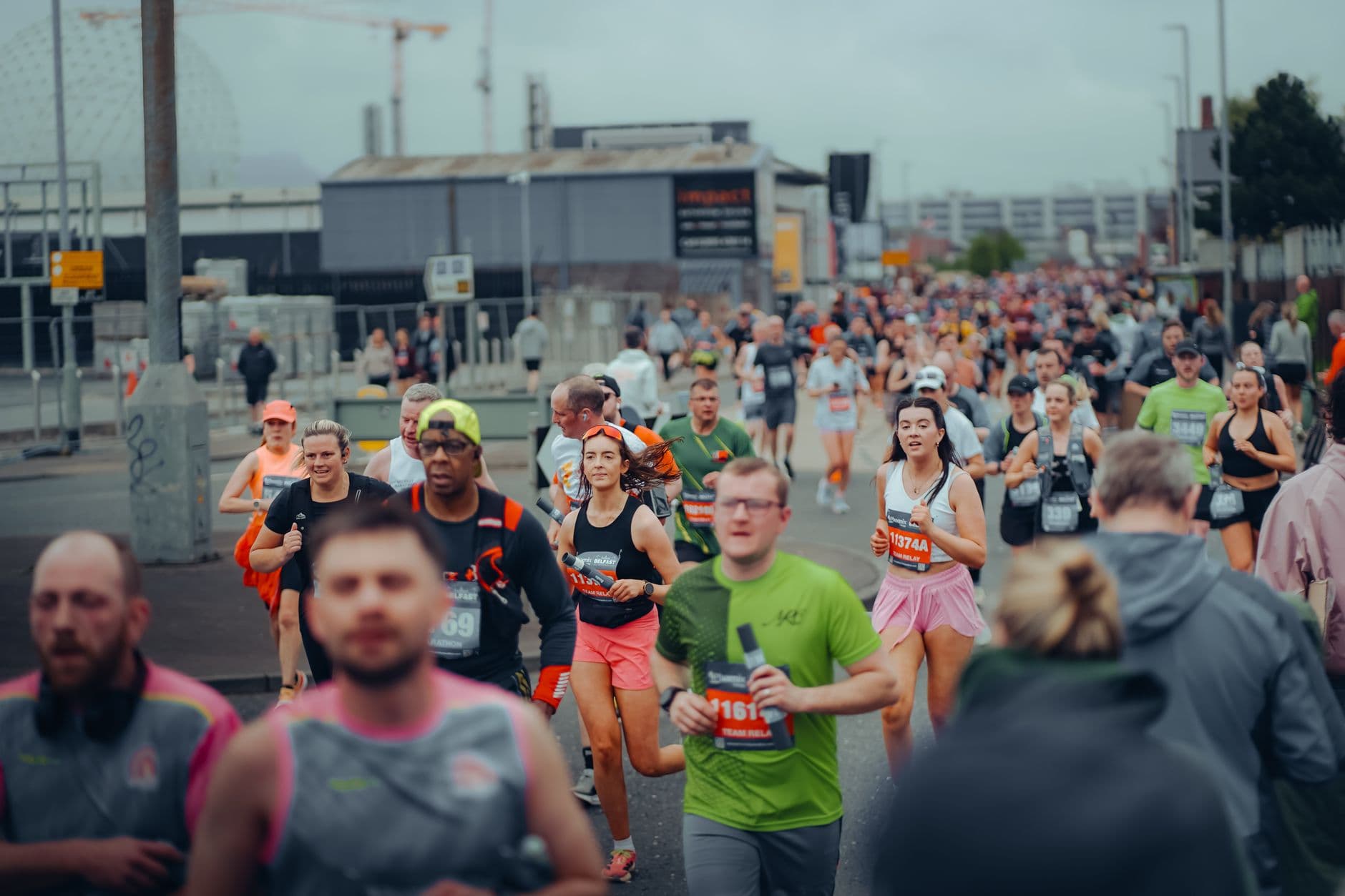 CSHalf marathon training plan that keeps you strongphase.fitness plans a half marathon as three phases and a taper: the long run gets the clean slot every week, tempo work at goal pace arrives in the build, and the lifting is heavy and short so it never eats the run that matters.10–14 wk · 4–6 d/wk · all levels
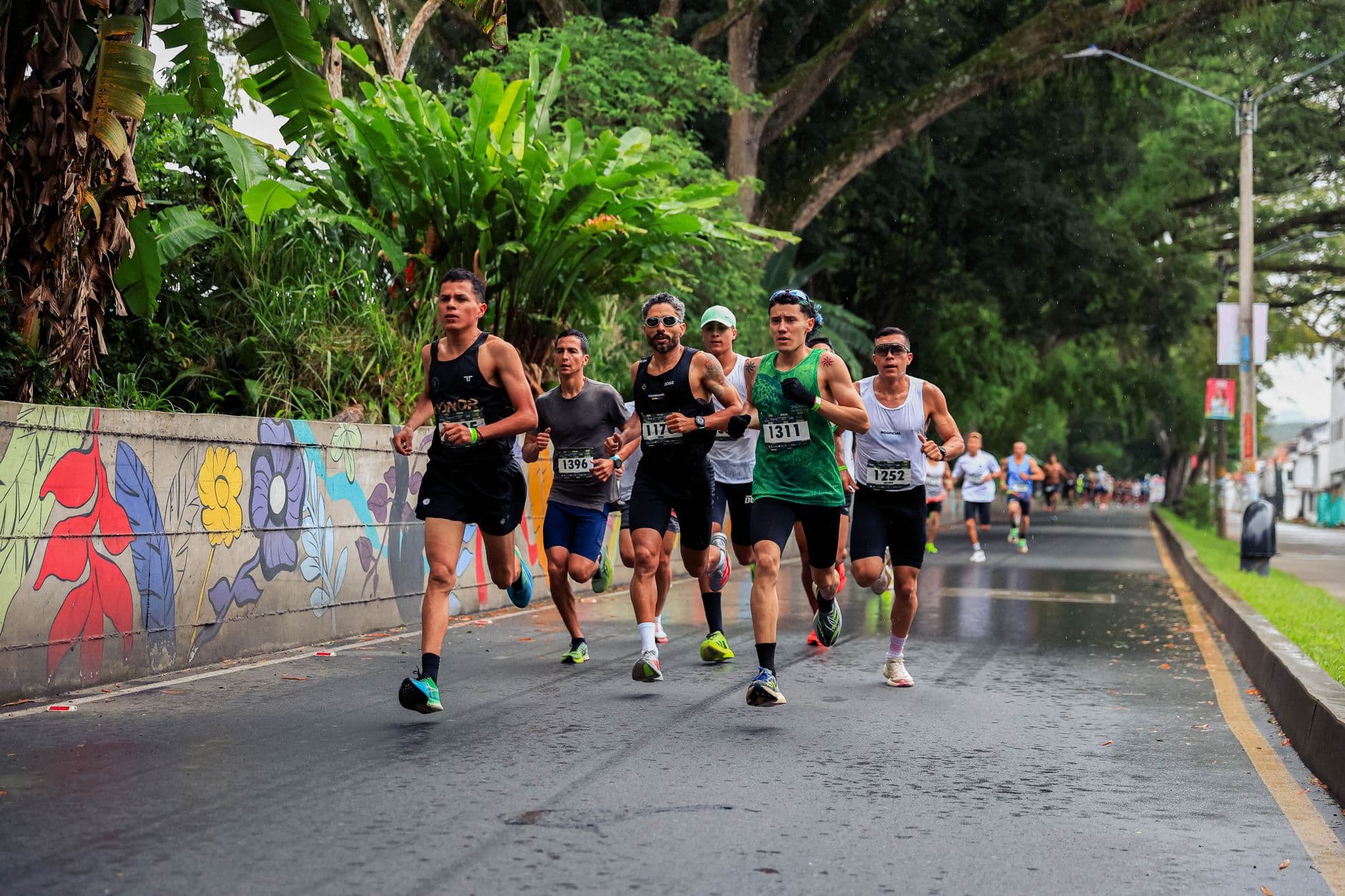 CSMarathon training plan with strength that survives the buildphase.fitness writes a marathon block in phases — 12–16 weeks of base, a build with tempo and intervals, a peak at goal pace, a taper — and keeps the strength work heavy, short and away from the long run, because economy is what the last ten kilometres are made of.14–18 wk · 5–6 d/wk · intermediate
 CSTrail and ultra training plan: vert, descents, eccentric legsphase.fitness plans trail running on effort rather than pace, counts vertical gain as the load that matters, trains the descents on purpose, and keeps two heavy, eccentric-leaning strength sessions until the final two weeks.12–20 wk · 5–6 d/wk · intermediate
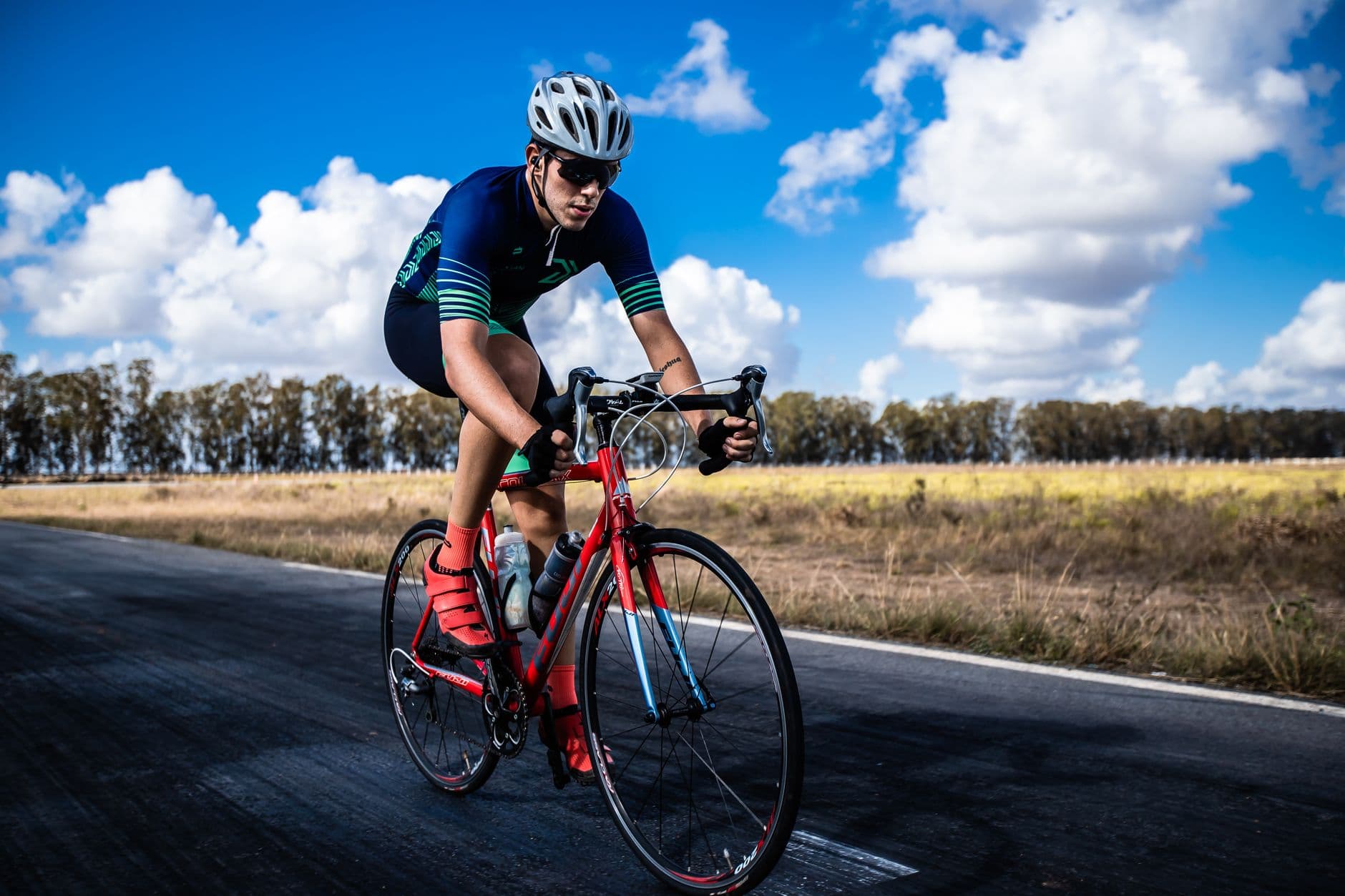 CSCycling training plan built on power zones and real strengthphase.fitness plans road and gravel cycling as base, build and peak blocks with a recovery week every 3–4, keeps the low intensity genuinely low, and adds squat and hinge strength at 3–5 sets of 4–6 — two sessions in base, one in build, none or one in the peak.12–20 wk · 5–6 d/wk · all levels
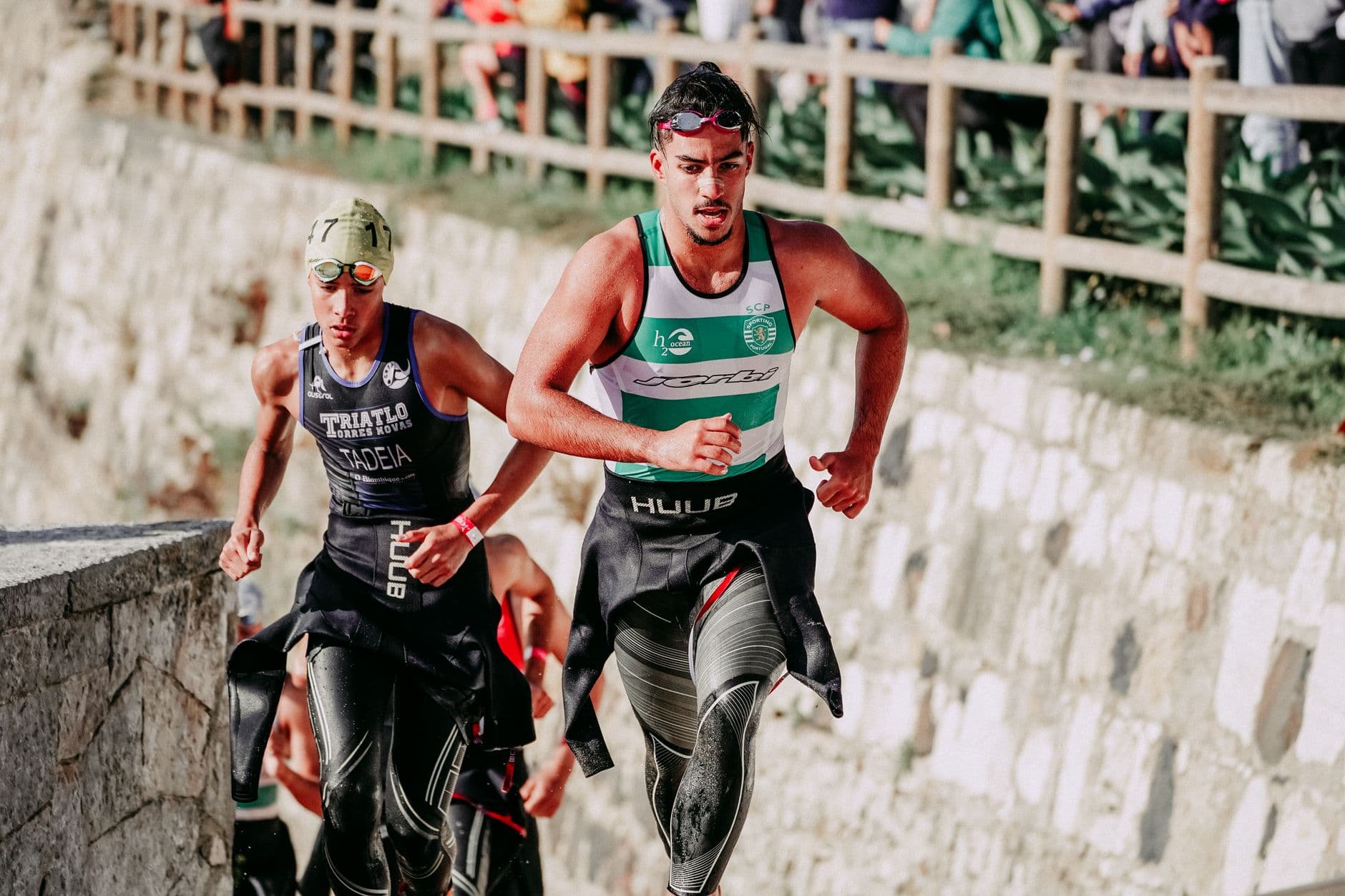 CSTriathlon training plan: three sports and one strength dayphase.fitness plans a triathlon week as an ordering problem: three sports, a recovery budget that does not grow because there are three, and one or two strength days that stay heavy and short instead of becoming a fourth sport.12–20 wk · 6 d/wk · intermediate
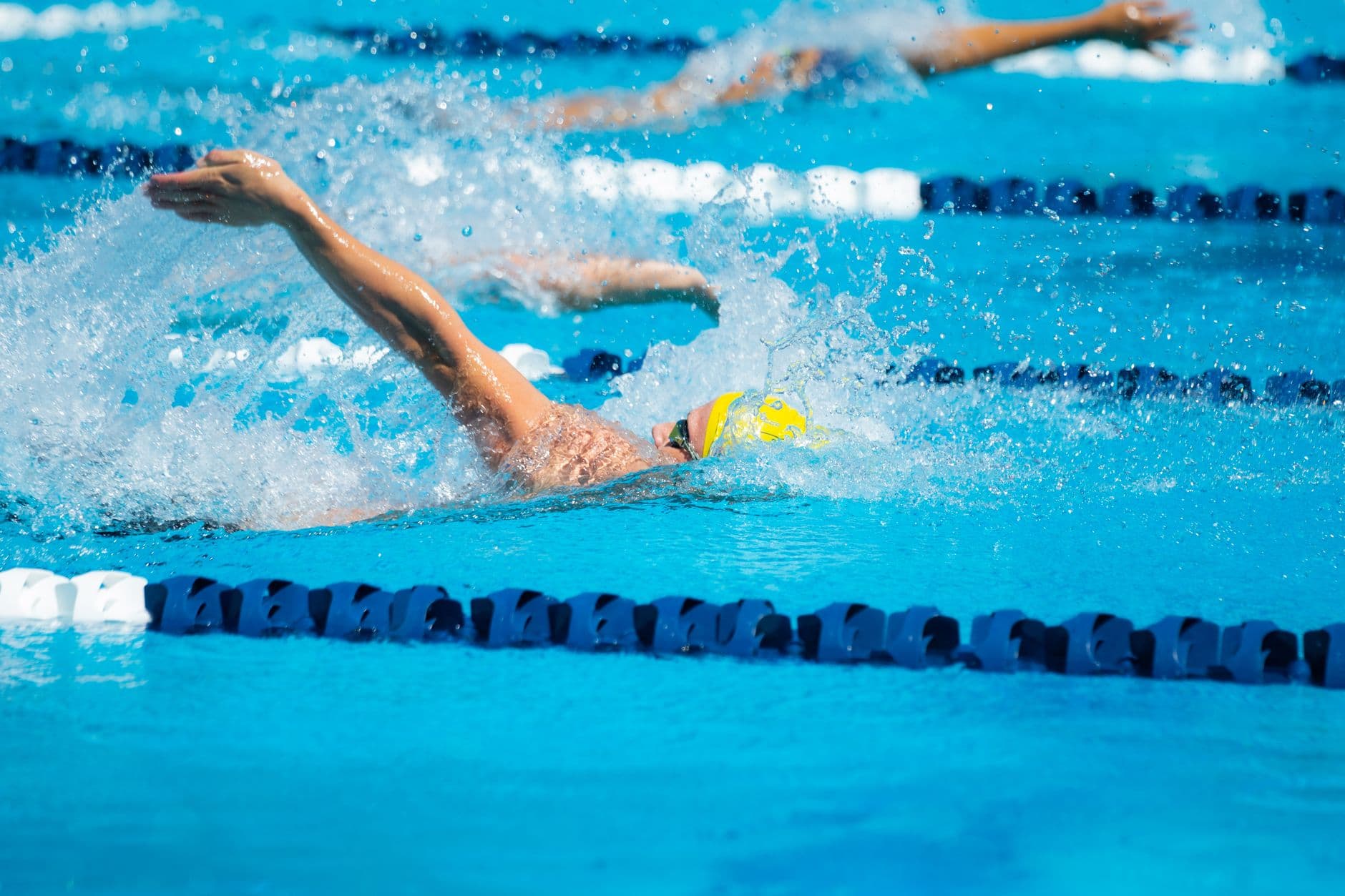 SKDryland strength and conditioning for swimmersphase.fitness writes the dryland side of a swimming season: 2–3 strength sessions a week built for relative strength and shoulder health, periodized around your pool phases, with bodyweight skill work as the dryland tool it has always been.8–16 wk · 2–3 dryland d/wk · all levels
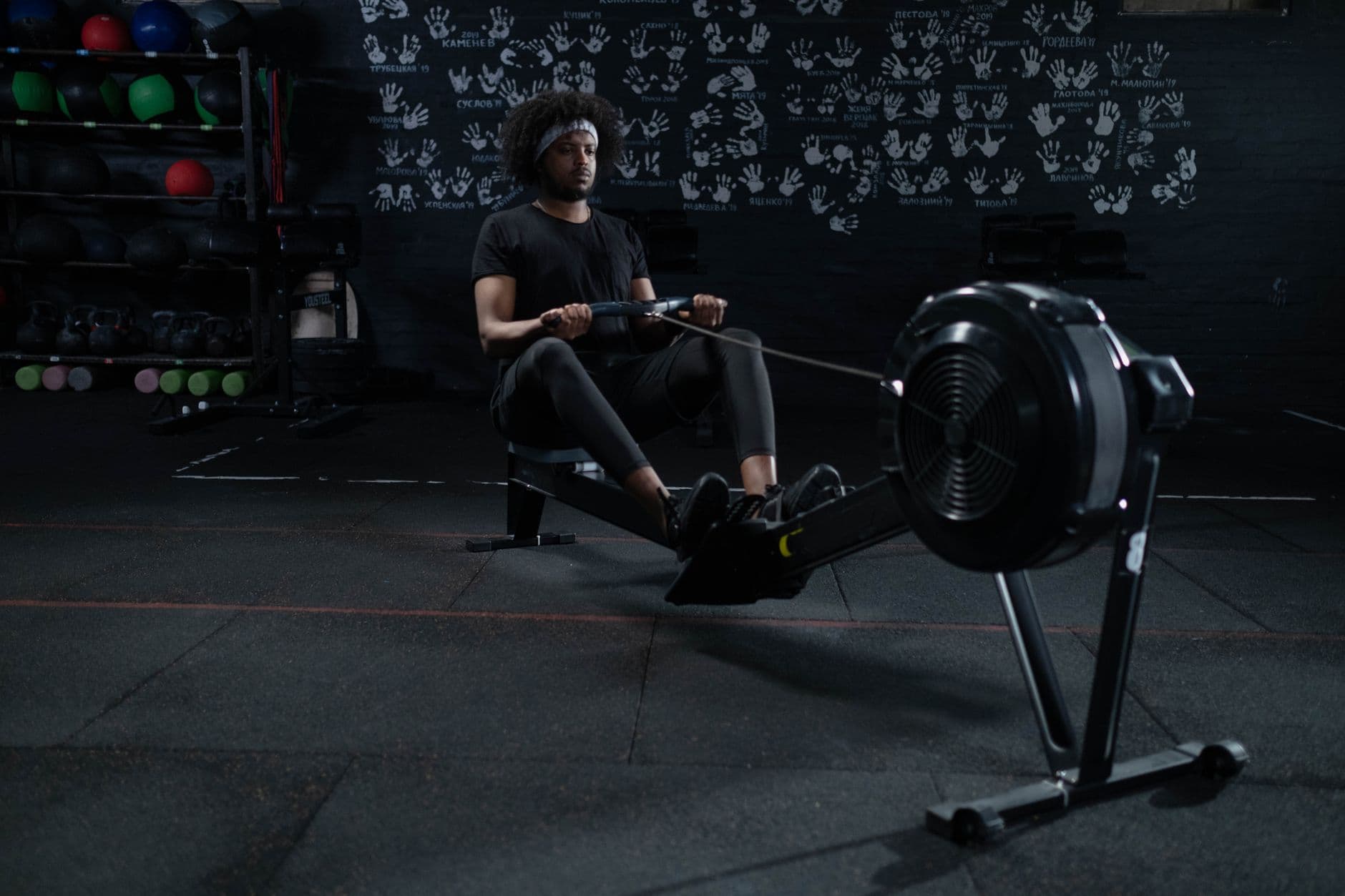 CSRowing training program: erg, base and strengthphase.fitness plans rowing the way the rowing document prescribes: a base with 85% of the time in zones 1–2, a build that adds threshold and VO2max sessions while cutting volume 10–15%, a peak at race intensities, and two strength sessions a week built around pulling.10–18 wk · 5–6 d/wk · all levels
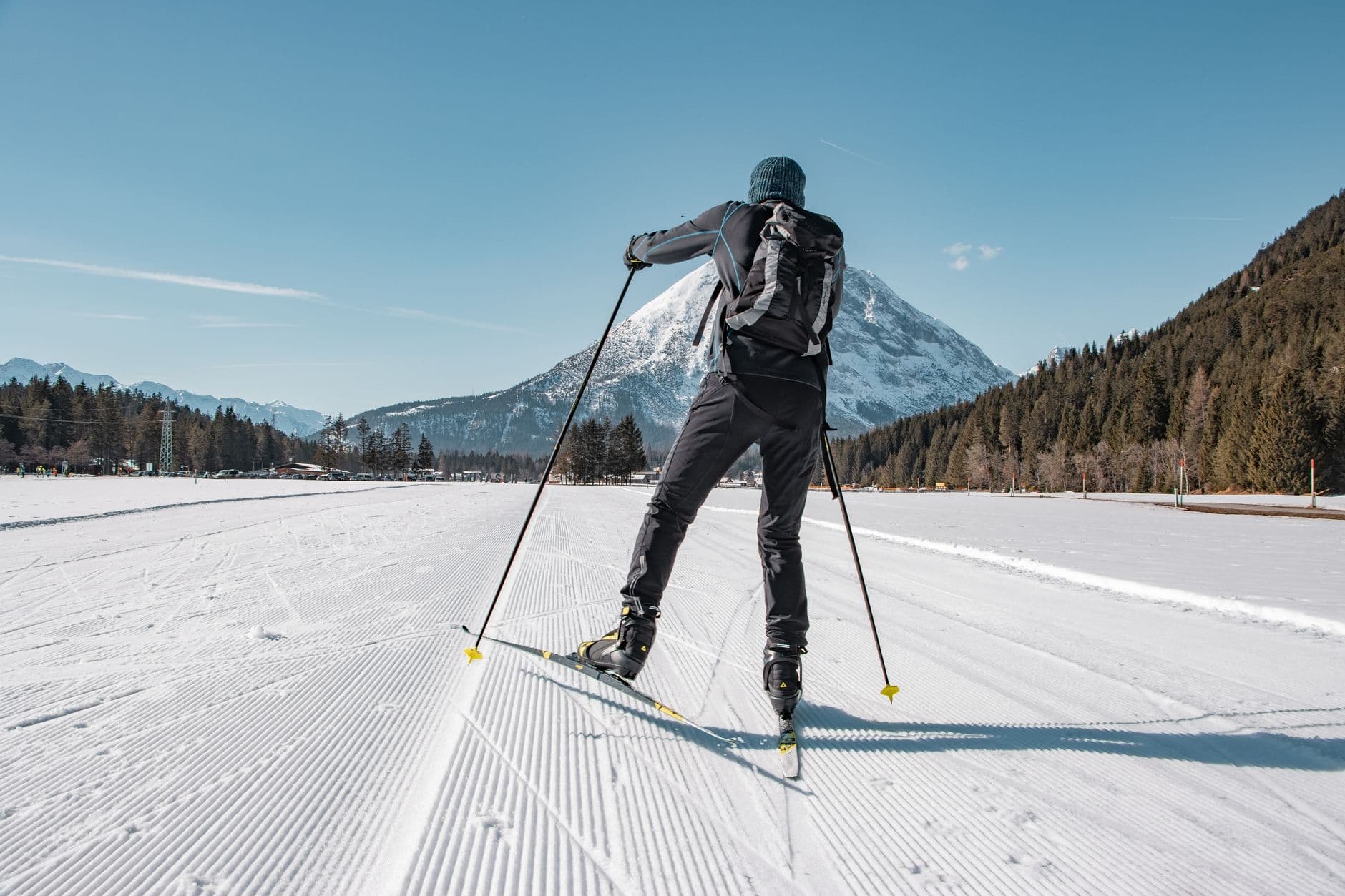 CSCross-country skiing training plan for the off-seasonphase.fitness plans the eight to ten dry-land months of a skier's year as the document prescribes: a polarized base with zone 3 minimised, threshold and VO2max sessions added in Base II, volume down 15% before the season, and 2–3 strength sessions built around upper-body pulling.12–24 wk · 5–6 d/wk · all levels
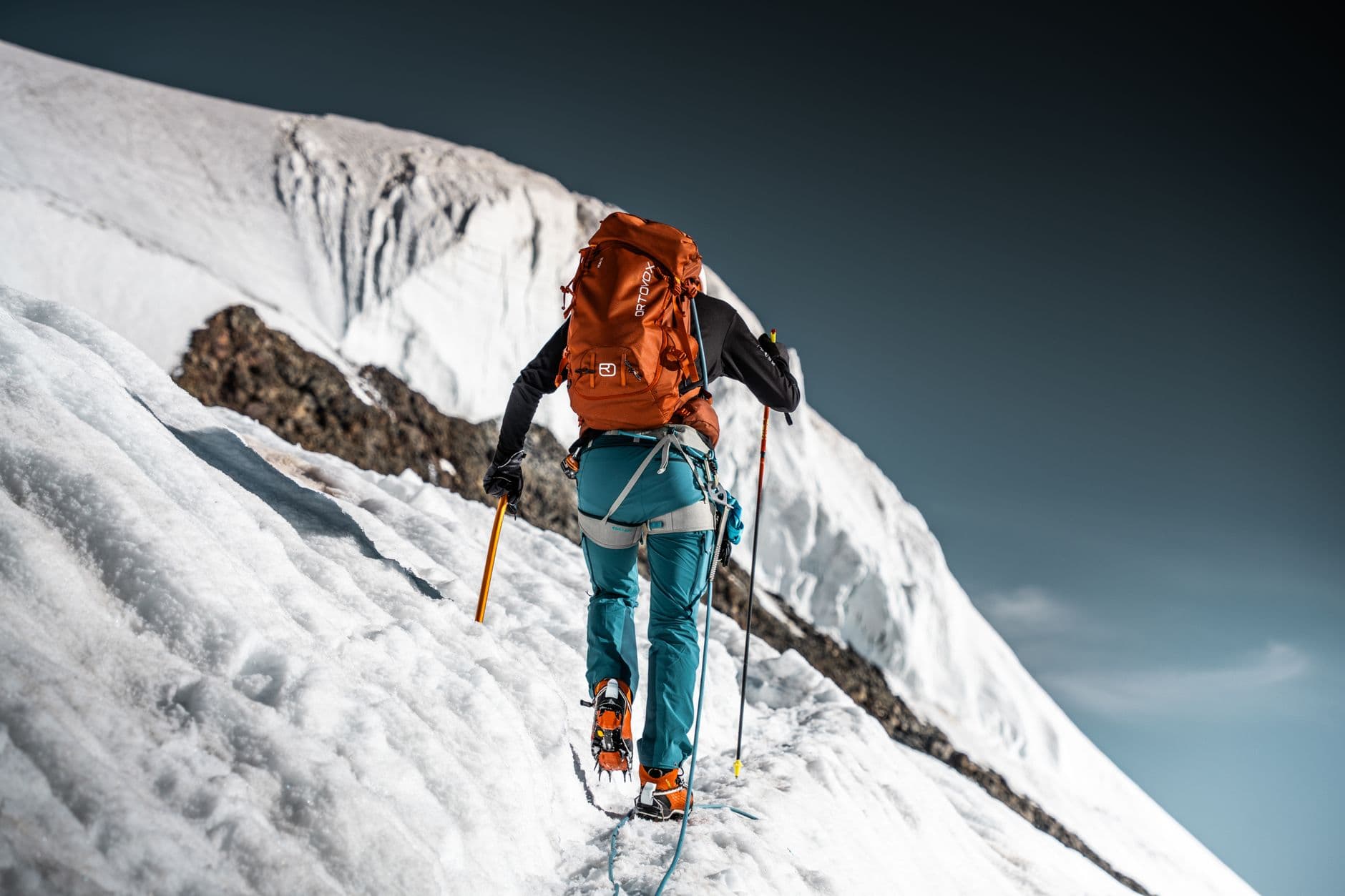 CSMountaineering and ski-mountaineering training planphase.fitness plans an expedition or a ski-mountaineering season the way its mountaineering document prescribes: base with unloaded hikes, a build where vertical gain and pack weight rise on a schedule, a peak that simulates summit pushes, and two strength sessions built for carrying load uphill.14–24 wk · 5–6 d/wk · all levels
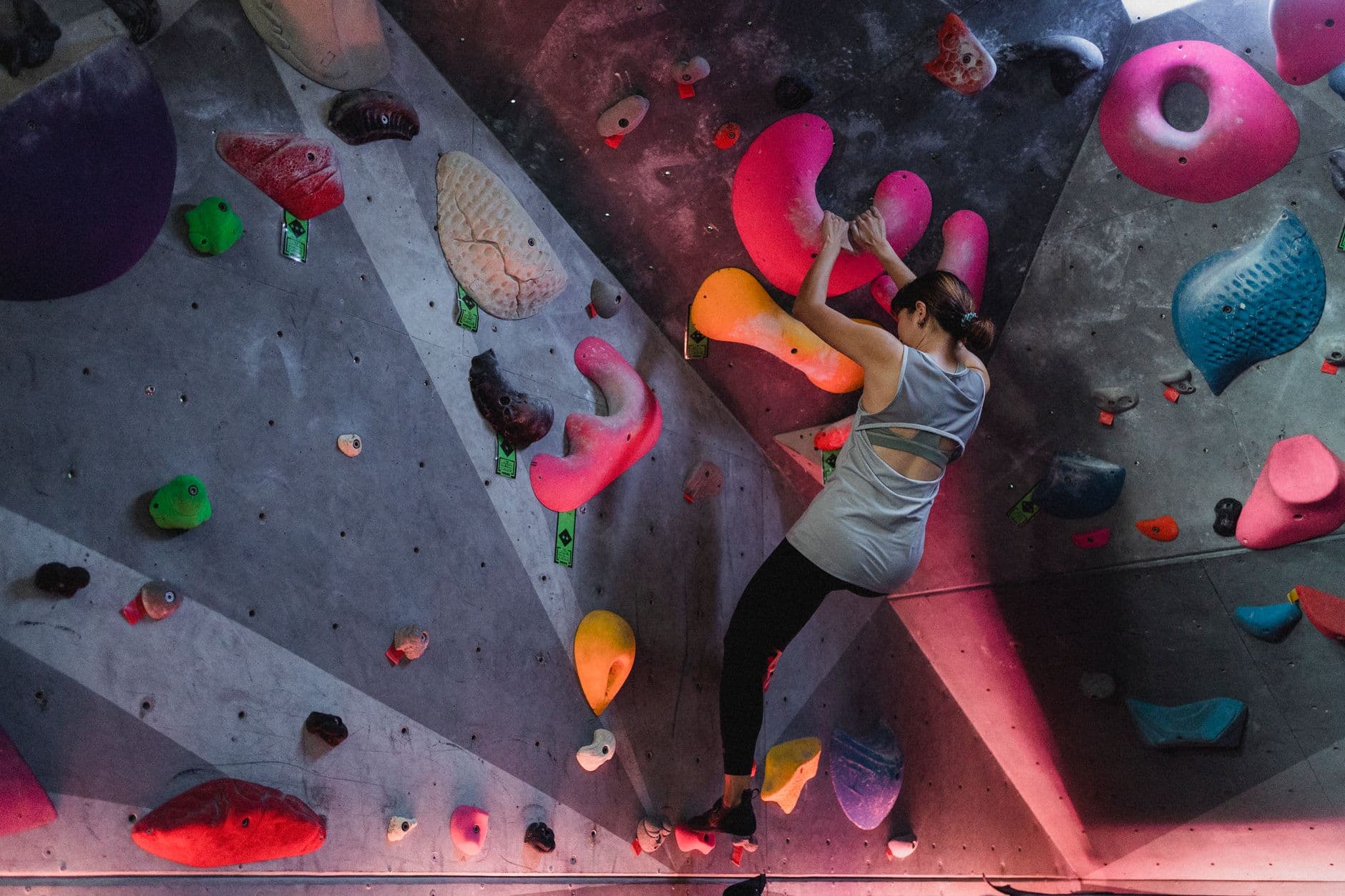 SKClimbing and bouldering strength programphase.fitness programs climbing strength in the order the sport's document demands — fingers and maximal strength first, when the tissue is fresh; endurance after; antagonists last — and treats the front lever as a skill with a progression, not an exercise you attempt.8–12 wk · 2 gym + climbing d/wk · intermediate
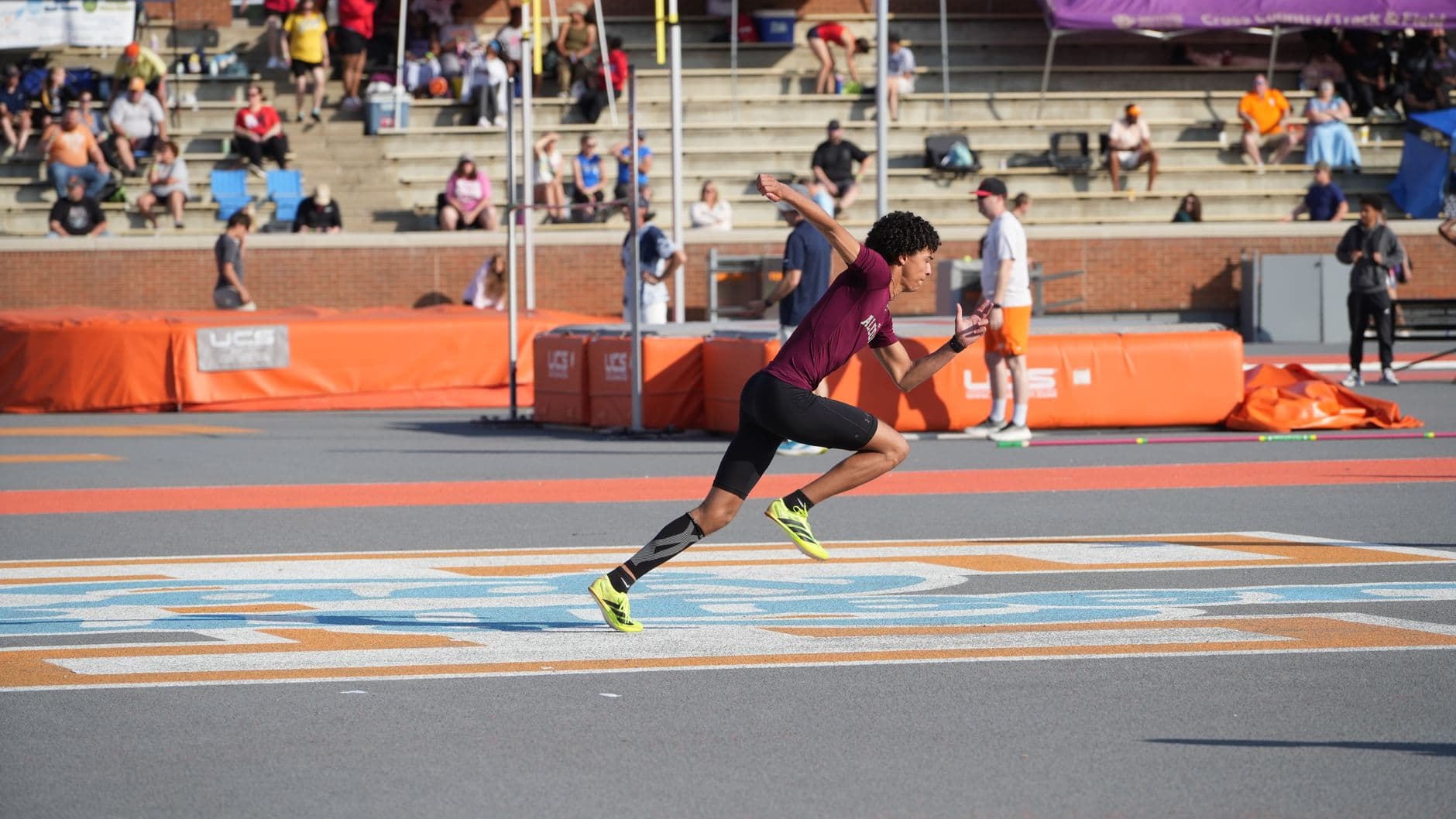 SCSprint and track strength programphase.fitness plans speed the way the athletics document prescribes: force before frequency, plyometric volume counted in ground contacts, sprints only when fresh, and the two hardest nervous-system sessions of the week kept at least 48 hours apart.12–16 wk · 5 d/wk · intermediate
 SCBasketball strength and conditioning programphase.fitness builds basketball preparation in the order the court-sports document prescribes — landing before jumping, maximal force before power, repeated jumps before a single big one — and counts plyometric contacts against the volume the sport already supplies.12–16 + season wk · 3–4 d/wk · all levels
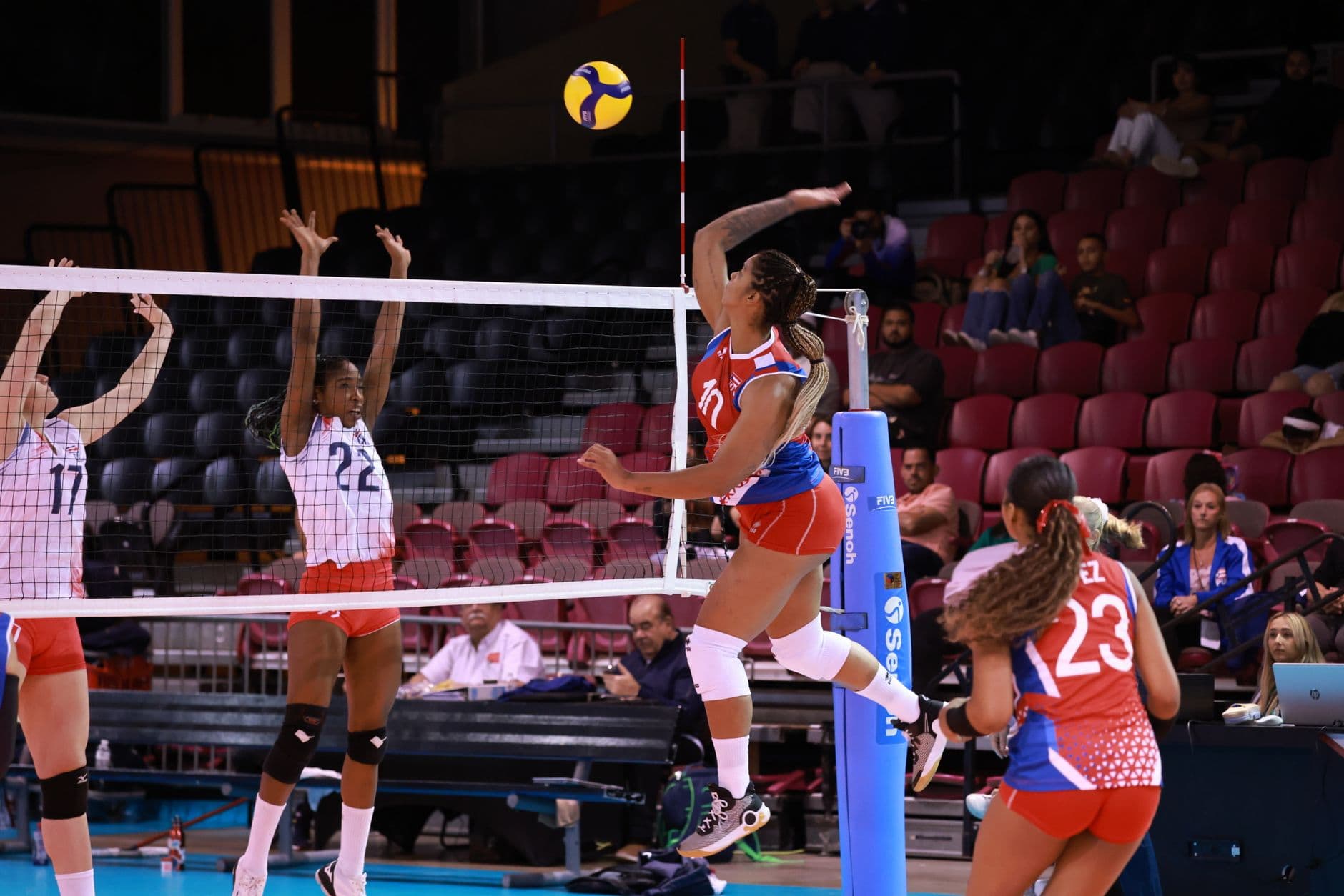 SCVolleyball strength and jump programphase.fitness plans volleyball around the two numbers that decide a fifth set — how many jumps you can repeat, and how much of your jump is left — with landing competence before any jump volume and the hitting shoulder maintained every week.12–16 + season wk · 3–4 d/wk · all levels
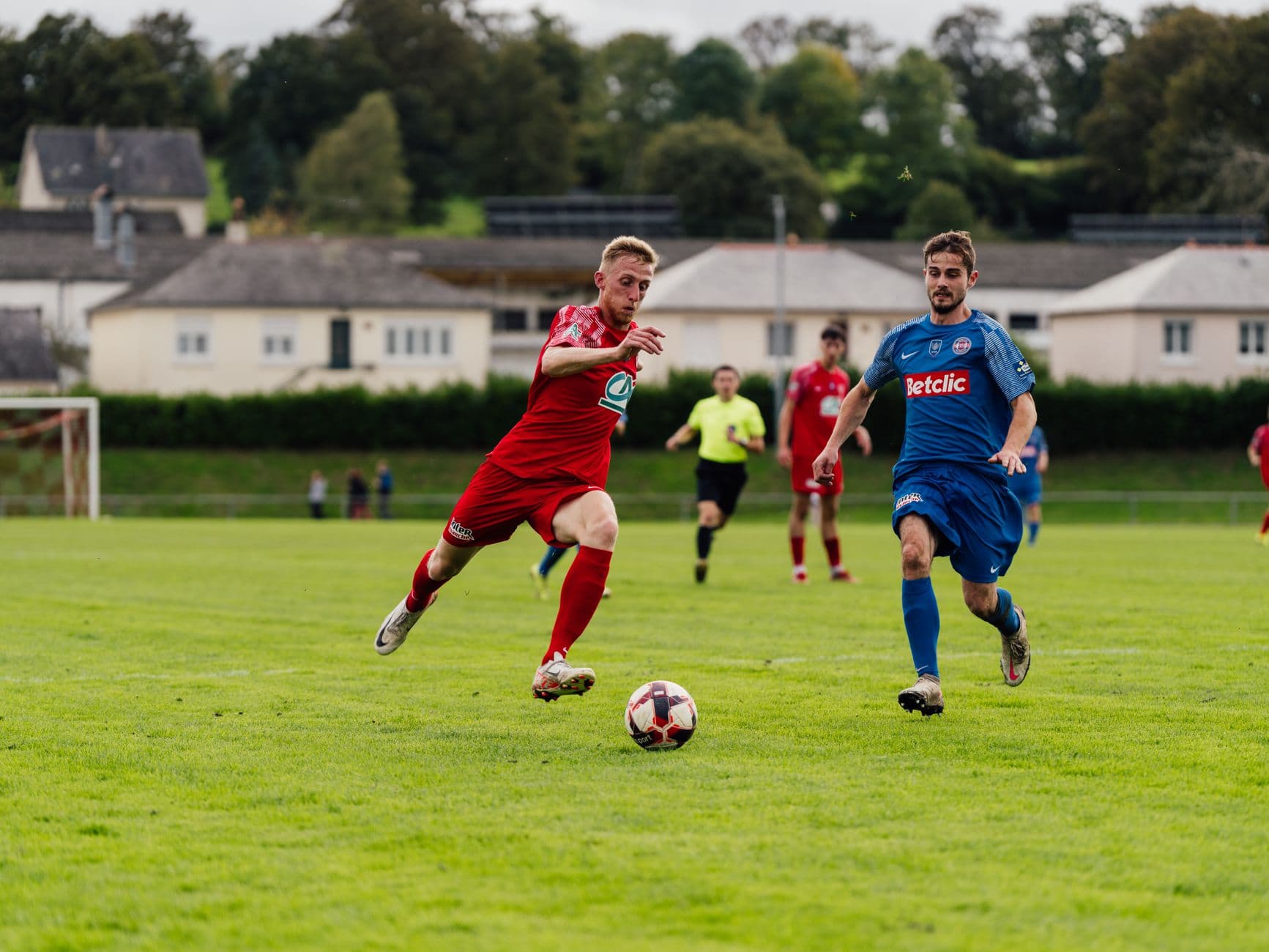 SCSoccer strength and conditioning programphase.fitness plans football around the fixture list: heavy and low-volume lifting because the sport already supplies the volume, an eccentric hamstring progression that is never cut, repeated sprints instead of long runs, and a week whose days are named by their distance from the match.8–12 + season wk · 2–3 gym + conditioning d/wk · all levels
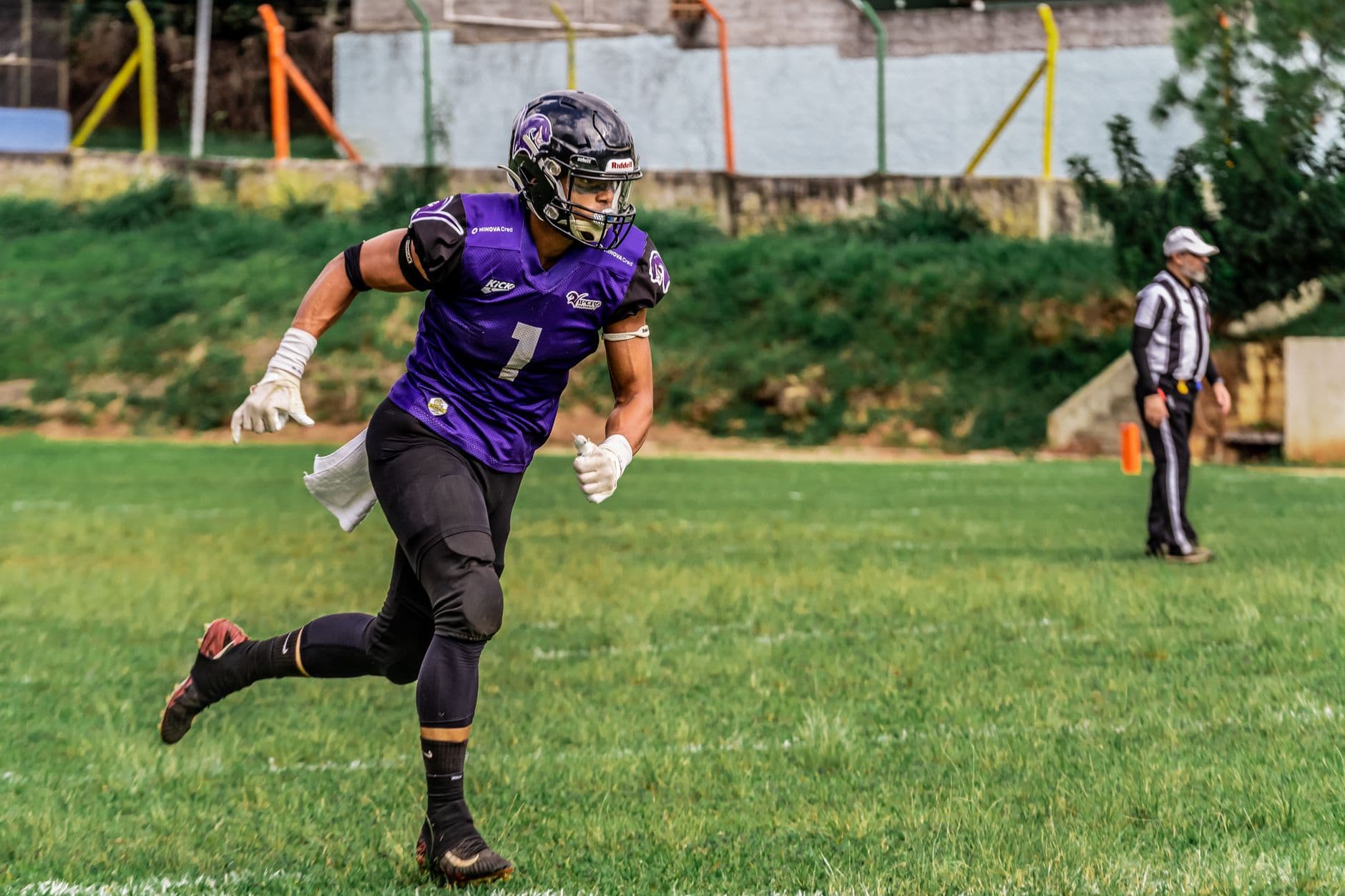 SCAmerican football strength and power programphase.fitness builds the football off-season in the four phases the document prescribes — adaptation, hypertrophy, strength, power and speed — conditions by position instead of by distance, and holds strength through the season by cutting volume, never intensity.16–20 + season wk · 3–4 d/wk · all levels
 SCTennis and padel strength and conditioning programphase.fitness plans tennis and padel as the racket-sports document describes them: power generated at the hips and transmitted through rotation, a body that is unilateral and asymmetric, movement measured in metres, and a shoulder that needs range first and control second.8–12 + season wk · 2–3 gym + court d/wk · all levels
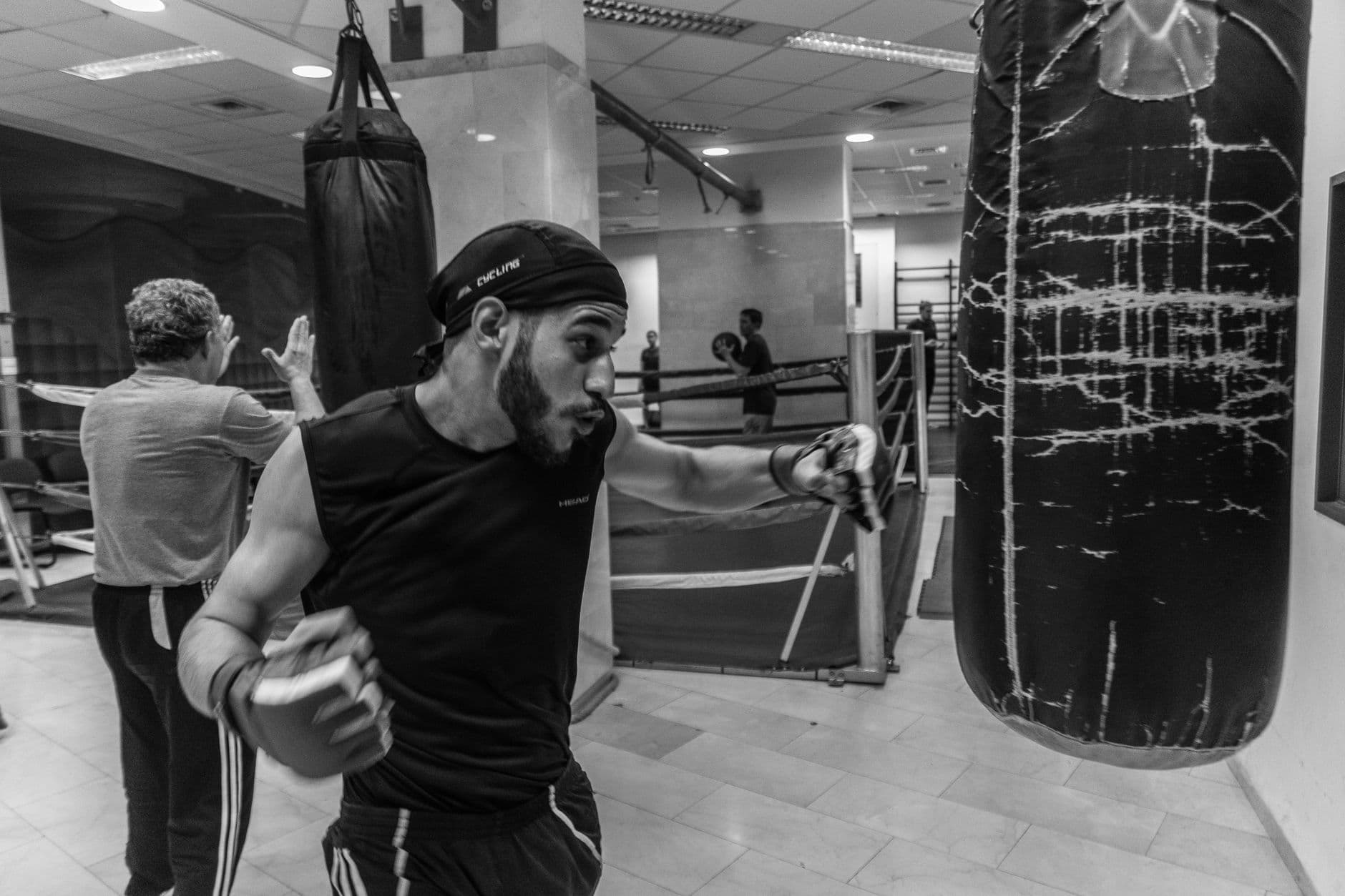 SCStrength and conditioning for combat sportsphase.fitness plans a fight camp the way the combat-sports document prescribes: skill training first and everything else around it, an aerobic base so power can repeat, strength kept heavy and short even at peak camp, and sparring counted as the conditioning it already is.8–12 wk · 2–3 gym + skill d/wk · intermediate
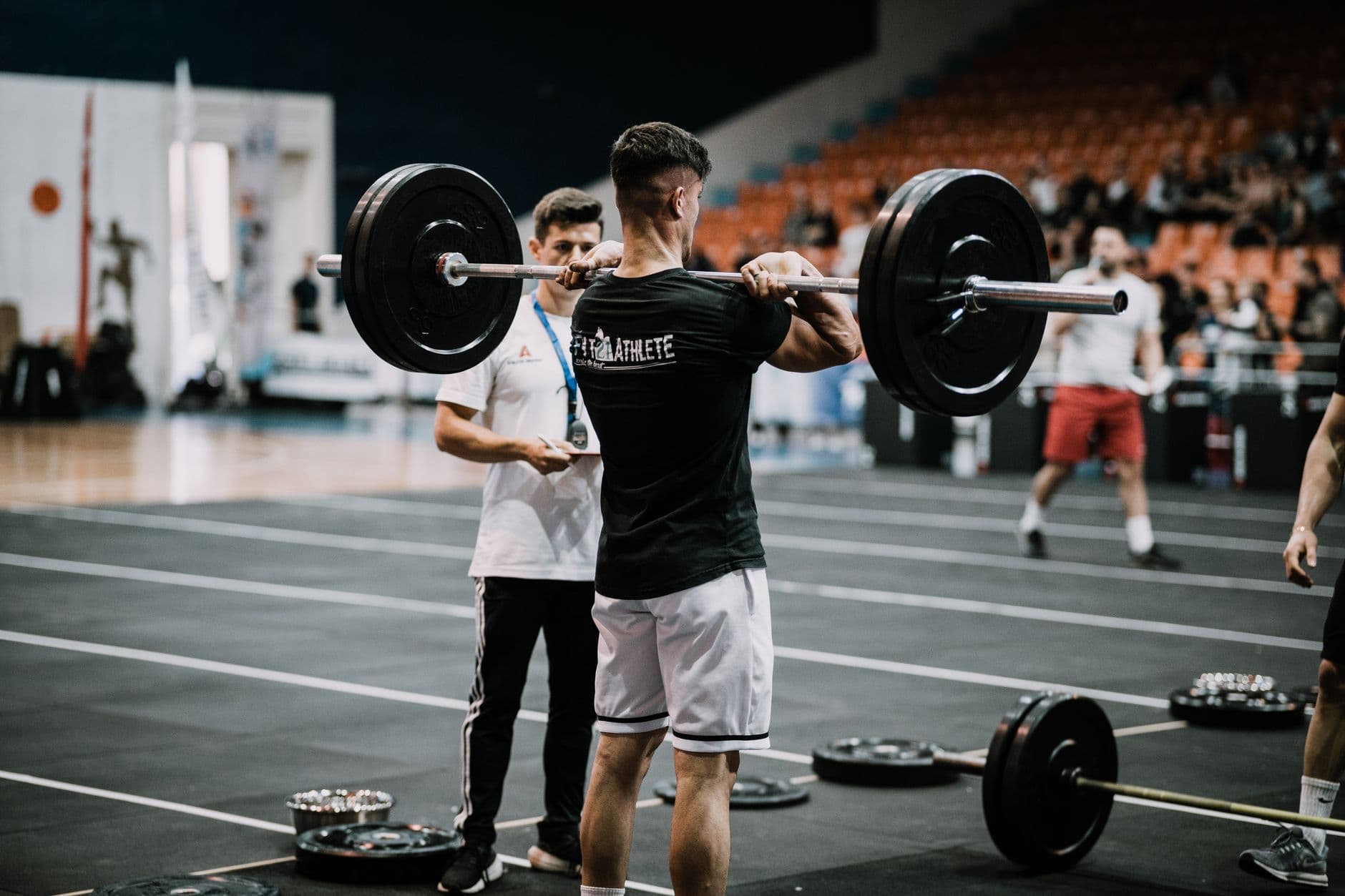 SOlympic weightlifting program in blocksphase.fitness writes a weightlifting cycle the way the weightlifting document prescribes: technical quality as the first trainable quality, intensity prescribed by percentage but regulated by the day, high frequency on the classic lifts because they are skills, and squat volume that falls sharply before a peak.9–13 wk · 3–6 d/wk · intermediate
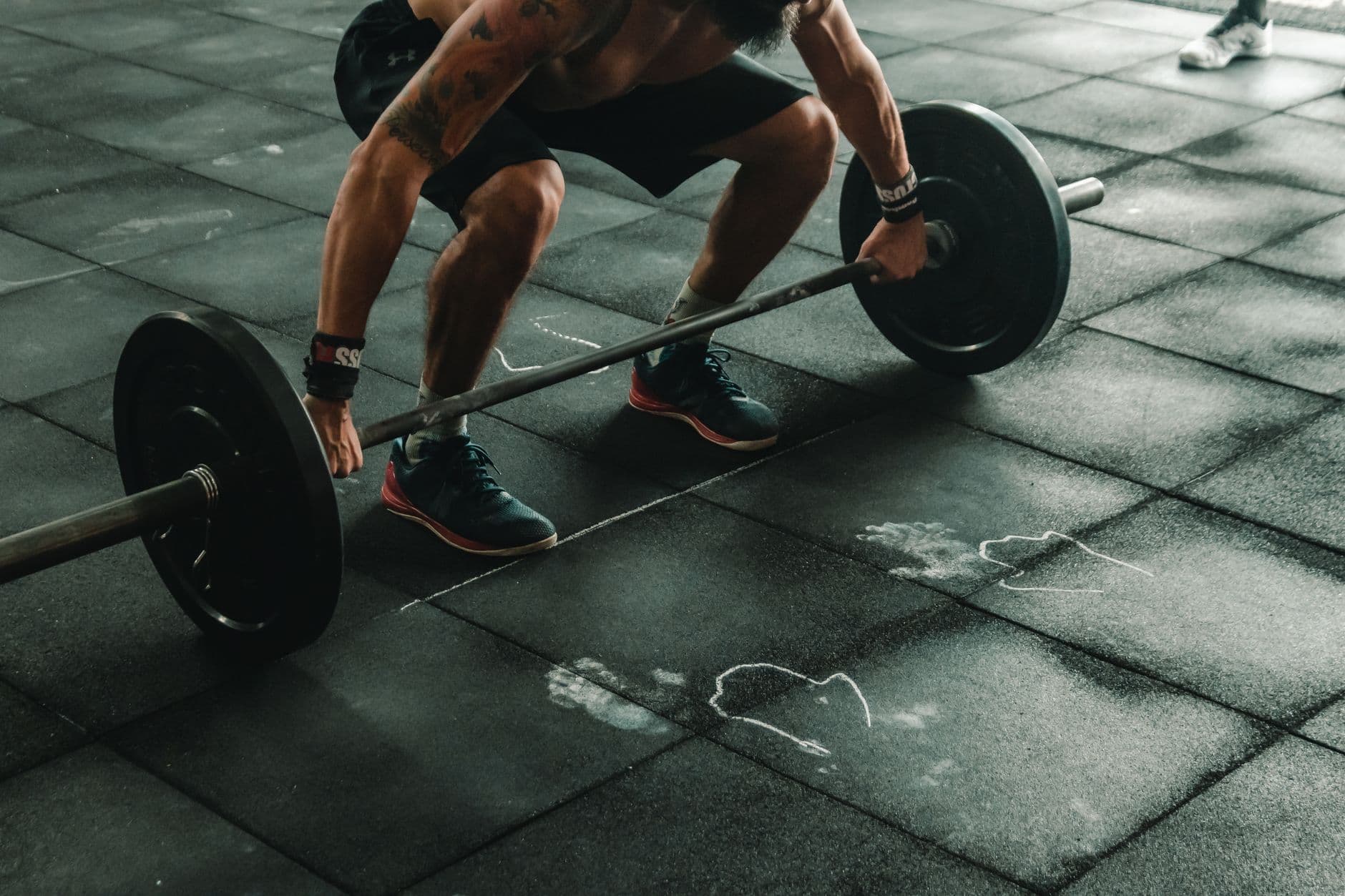 SPowerlifting program: accumulate, intensify, peakphase.fitness writes a powerlifting block from the document its generator reads: a volume phase at 65–80%, a strength phase at 75–90%, a peak at 85–100%, weekly sets per lift set by your experience, and every load regulated by RPE.9–16 wk · 3–4 d/wk · all levels
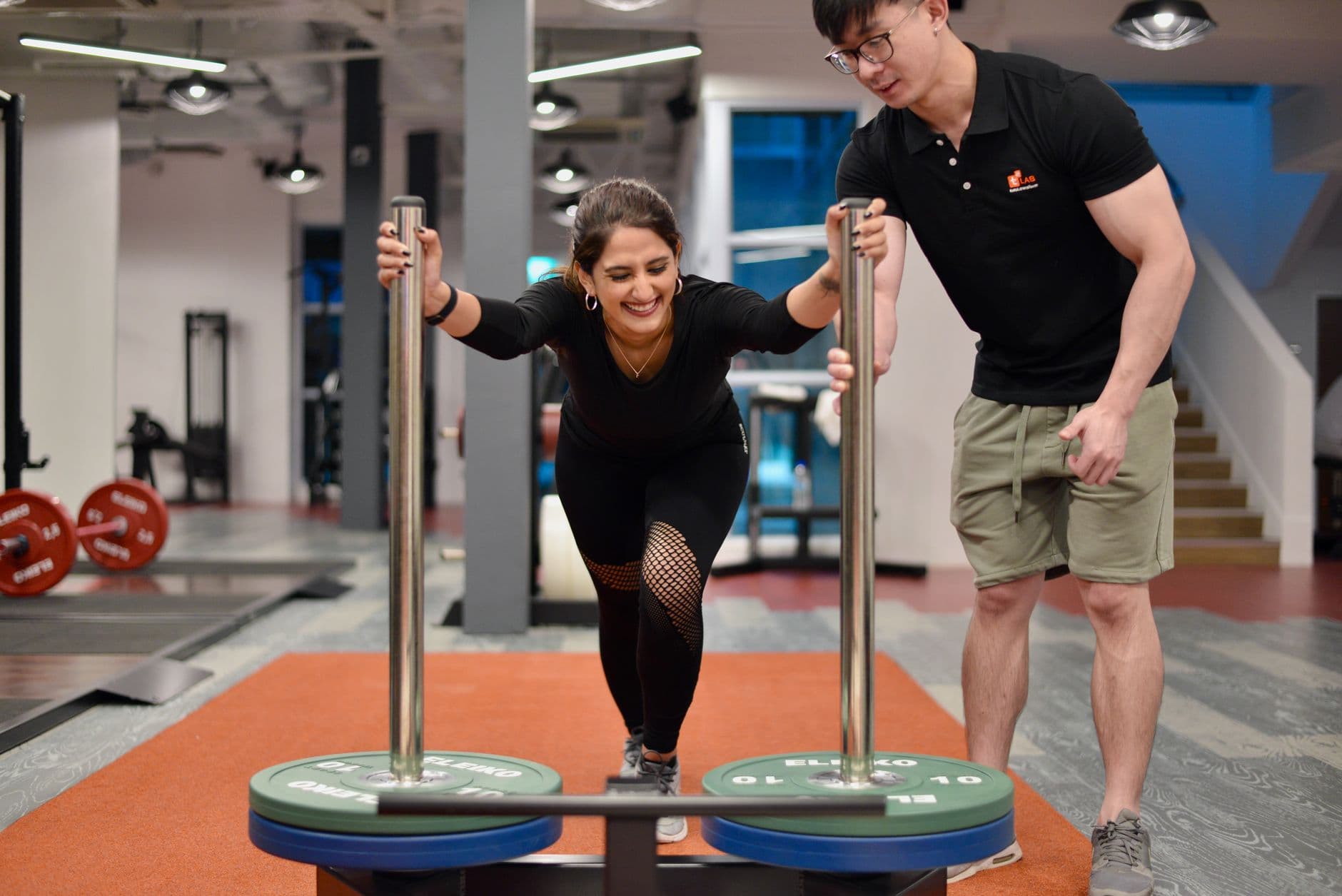 SCKHyrox training plan: running, stations and strength in one weekHyrox is a pacing problem built on strength, an aerobic base and grip, and phase.fitness plans all three in one week — the exact case its hybrid-fitness document was written for, and the one a running app or a lifting app cannot hold on its own.10–16 wk · 5–6 d/wk · intermediate
Strength & physique
Periodized strength, hypertrophy, fat-loss and general-fitness programs, and the classic splits — with the equipment you actually have.
 SStrength training program, periodizedphase.fitness writes strength as blocks with different jobs — volume, then intensity, then expression — with weekly set bands the plan is checked against and loads regulated by RPE, instead of the same 5×5 until it stops working.8–13 wk · 3–4 d/wk · all levels
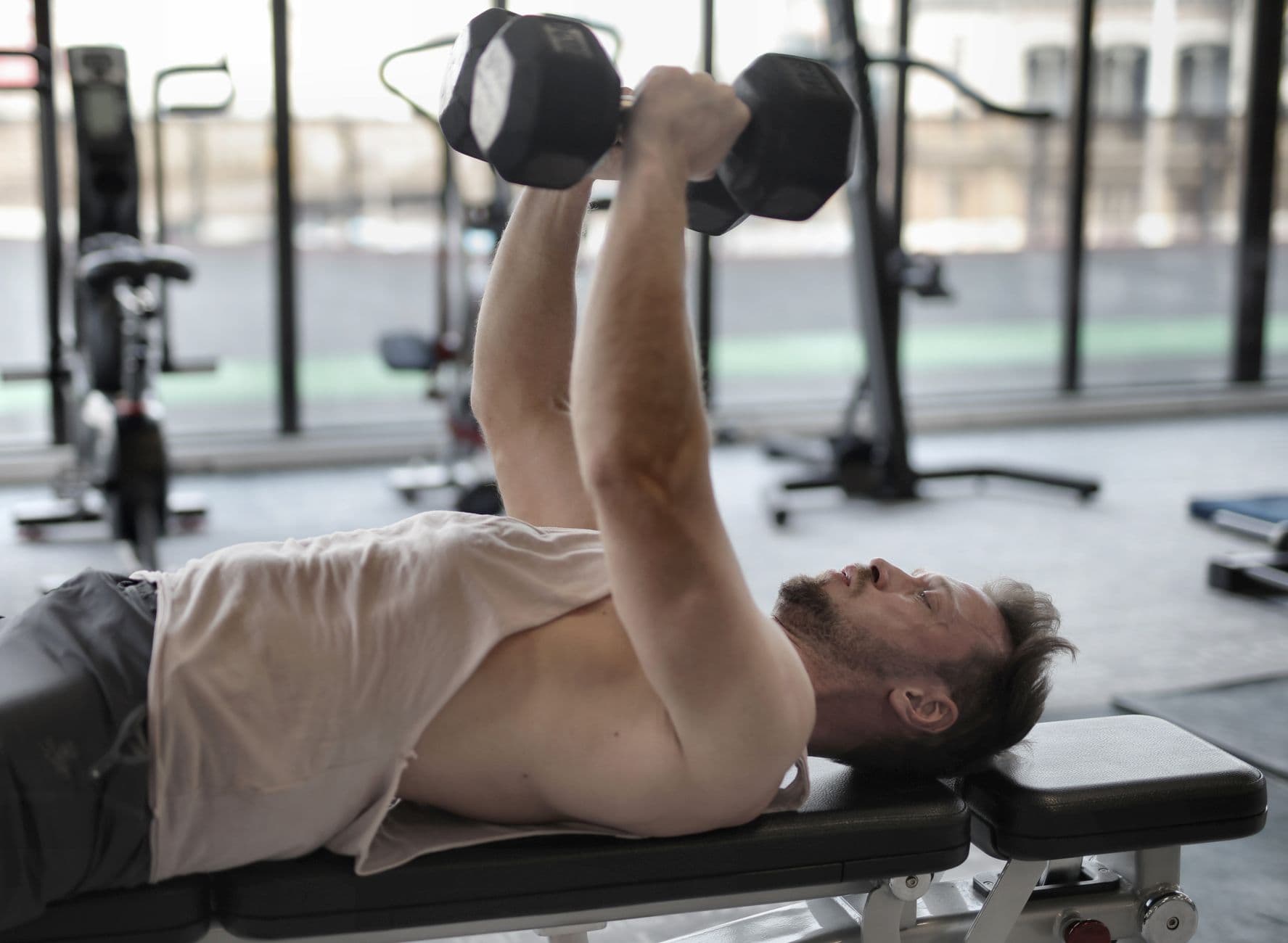 SHypertrophy program built on volume landmarksphase.fitness writes a hypertrophy block from the volume landmarks its generator reads: start each muscle near its minimum effective volume, climb toward the adaptive range across the block, and deload before the maximum recoverable volume becomes a problem.5–8 wk · 4–6 d/wk · all levels
 SCTraining for fat loss: keep the muscle, lose the restIn a deficit, training preserves; it does not build. phase.fitness writes a fat-loss block the way its document prescribes — hold the load, trim the volume, keep the movements familiar, and plan the exit — instead of the high-rep burnout that removes the one signal protecting your muscle.10–16 wk · 3–4 lifting + 2–3 easy cardio d/wk · all levels
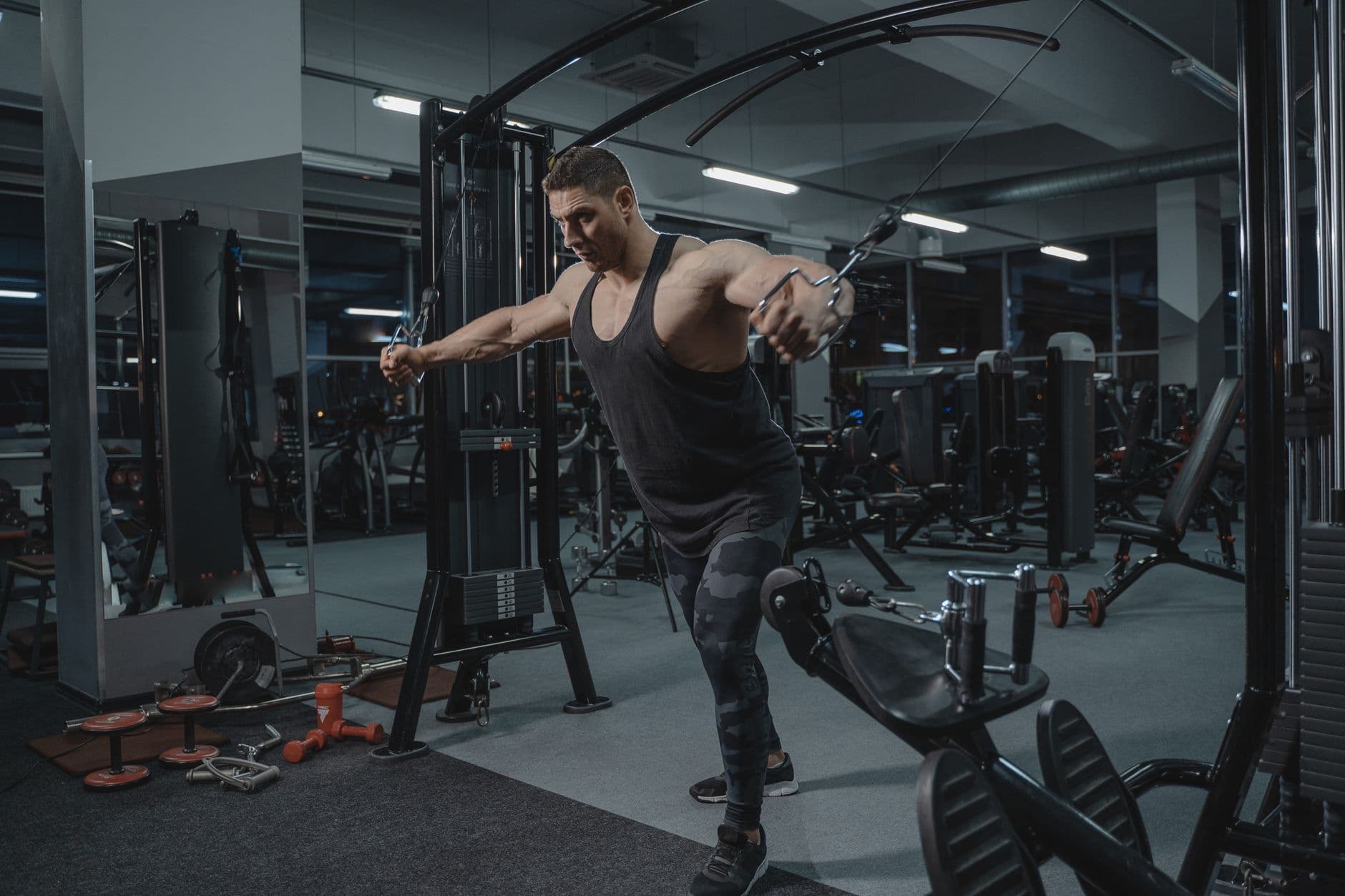 SCGeneral fitness program: three days, six movement patternsphase.fitness writes general fitness as the document prescribes: full-body, compound-led sessions that cover the body in five movements, an aerobic dose that is not optional, and progression measured in consistency first and load second.8–16 wk · 2–3 lifting + 2–4 easy cardio d/wk · beginner
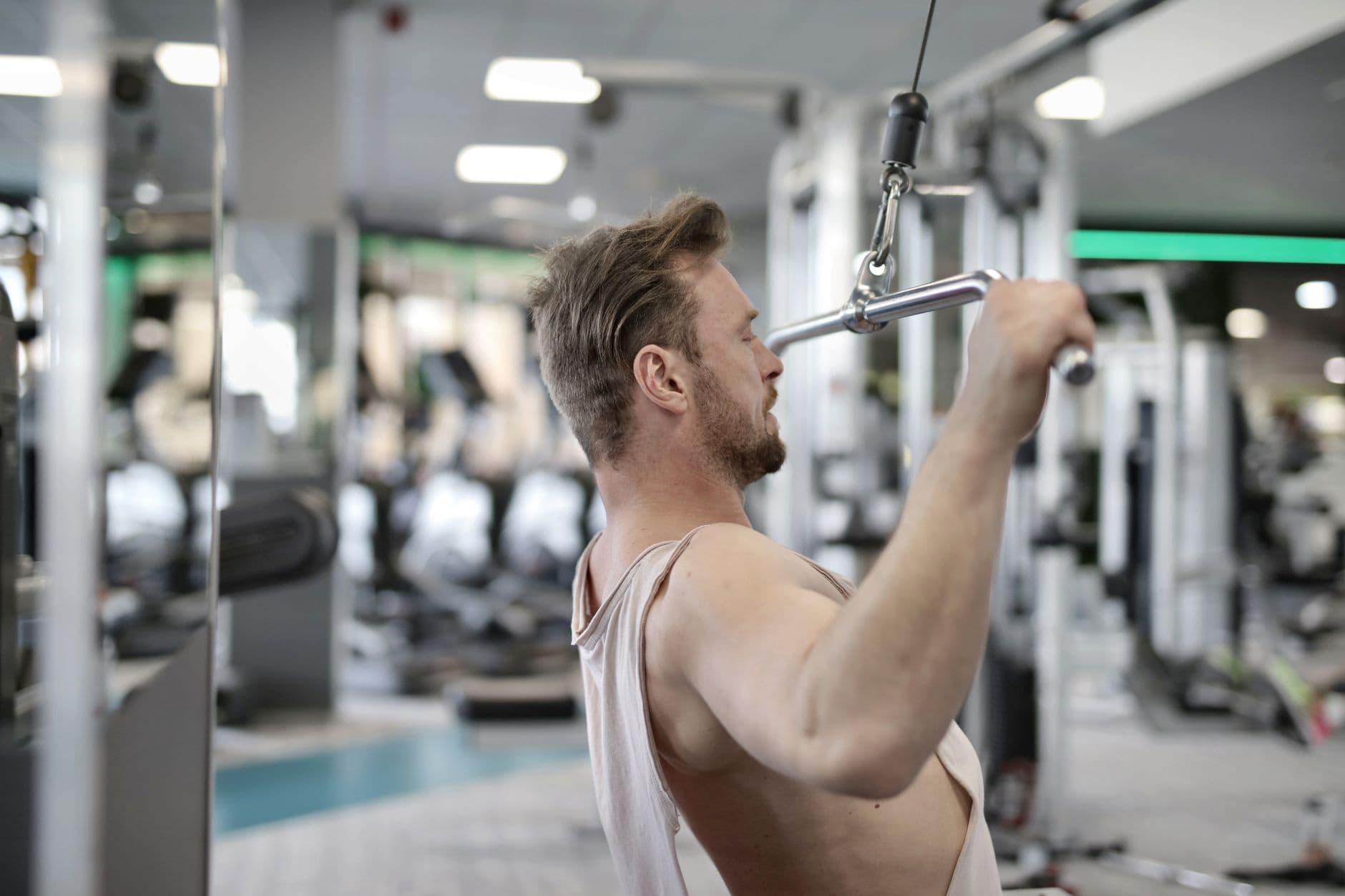 SPush / pull / legs program, six daysphase.fitness writes push/pull/legs as a six-day hypertrophy block: each muscle twice a week, volume climbing toward the adaptive range, and a deload that halves the sets at the same loads before a heavier week shows what the block bought.6–8 wk · 6 d/wk · intermediate
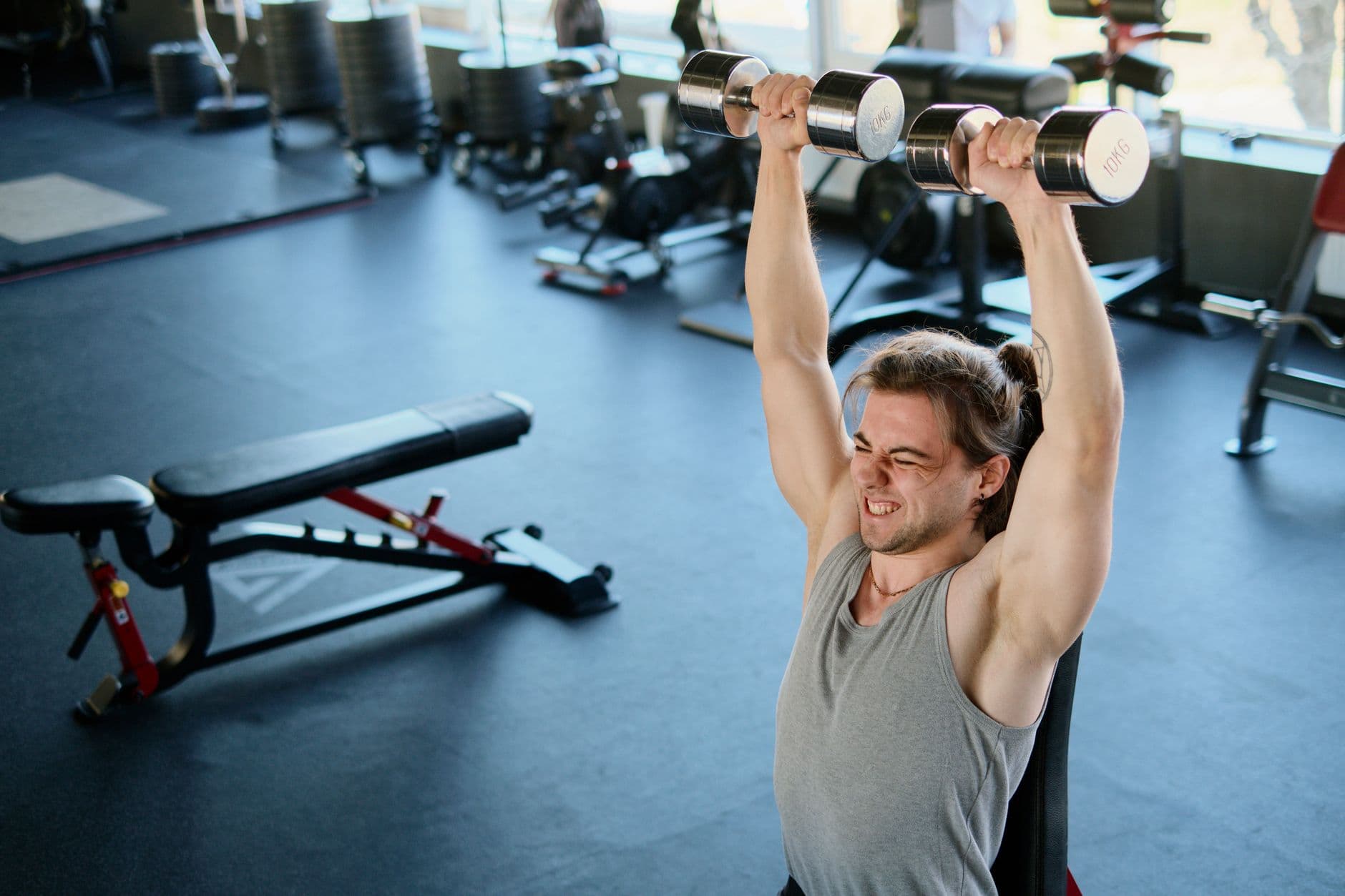 SUpper / lower split, four daysphase.fitness writes upper/lower as the four-day split the frequency document recommends for intermediates: every muscle twice a week, a strength day and a hypertrophy day for each half, and two blocks — volume, then intensity — with a deload between them.8 wk · 4 d/wk · intermediate
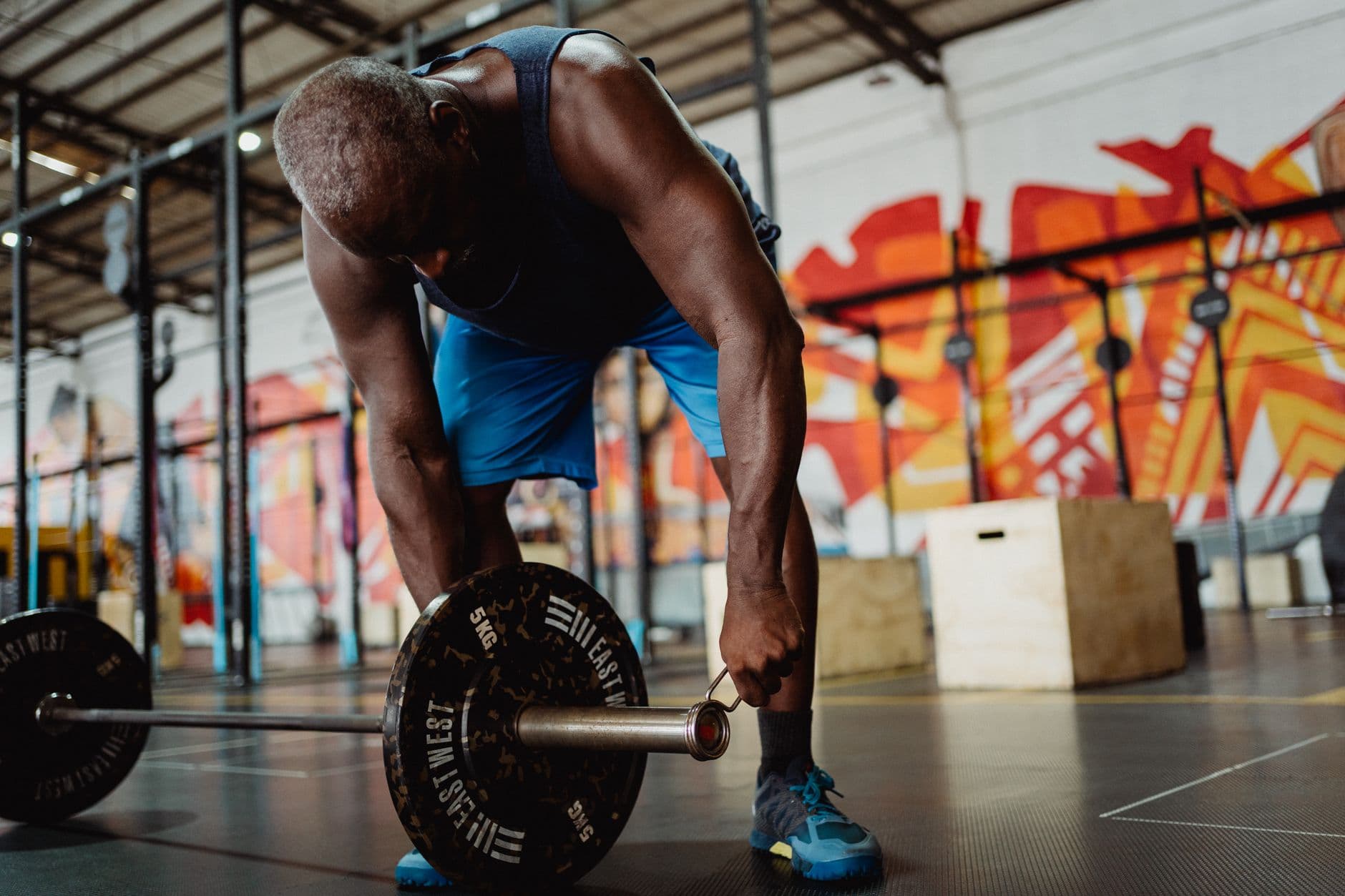 SFull body, three days a weekThree full-body days a week is what the frequency document recommends for the first years of lifting, and phase.fitness writes it the way it should be written: two sessions that alternate, the big patterns every time, and progression that starts session to session.8 wk · 3 d/wk · beginner
 SDumbbell-only program, periodizedA pair of dumbbells covers every movement pattern the exercise document lists, and phase.fitness writes a periodized program from them — patterns first at RPE 7, then load — instead of the same circuit until the heaviest pair runs out.6–8 wk · 3 d/wk · beginner
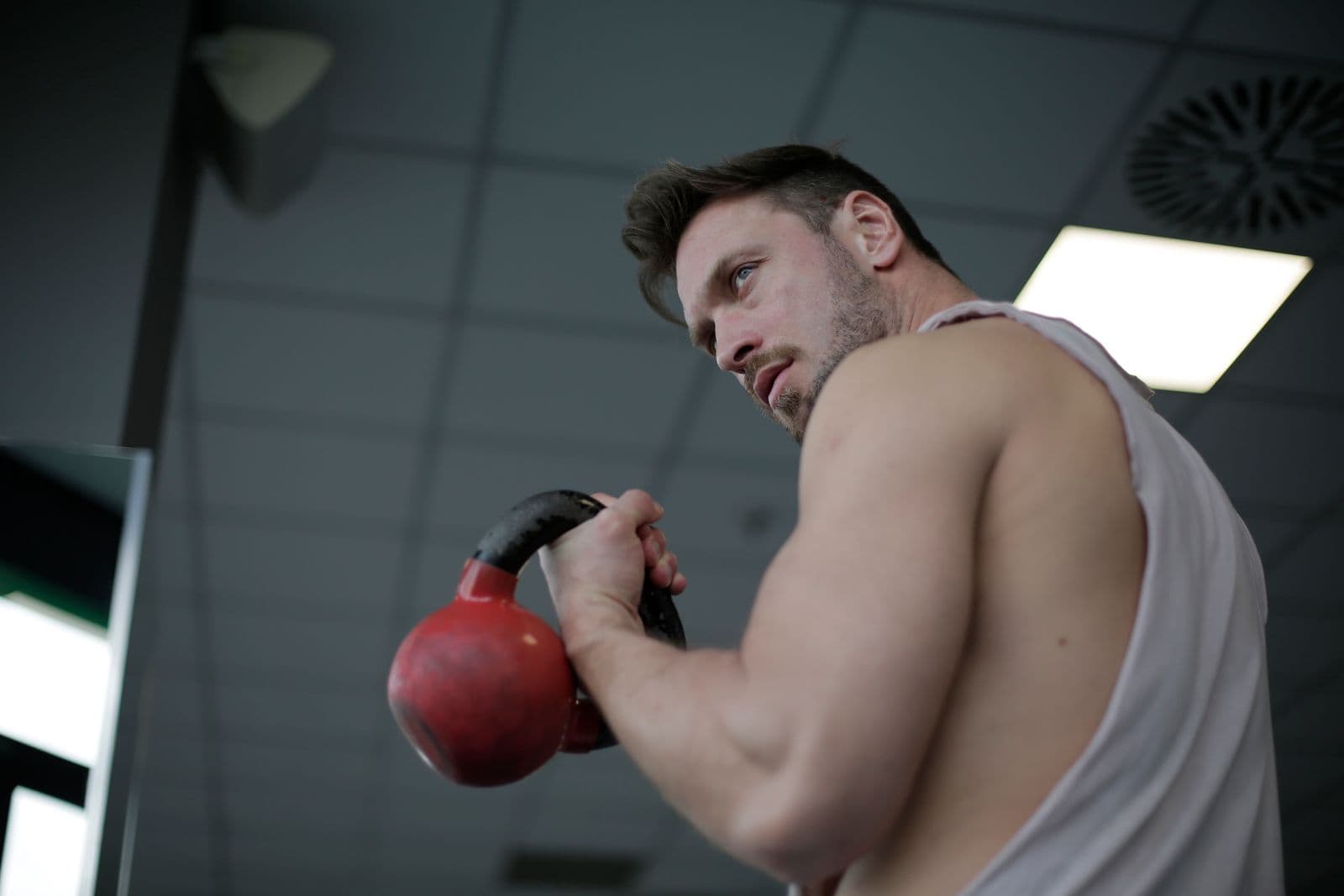 SKettlebell program, periodizedA kettlebell rack goes up in 4 and 8 kg steps, which means load is the one thing you cannot progress smoothly. phase.fitness progresses the other four — reps, sets, density and leverage — and saves the heavier bell for when the plan says it is earned.6–10 wk · 3–4 d/wk · all levels
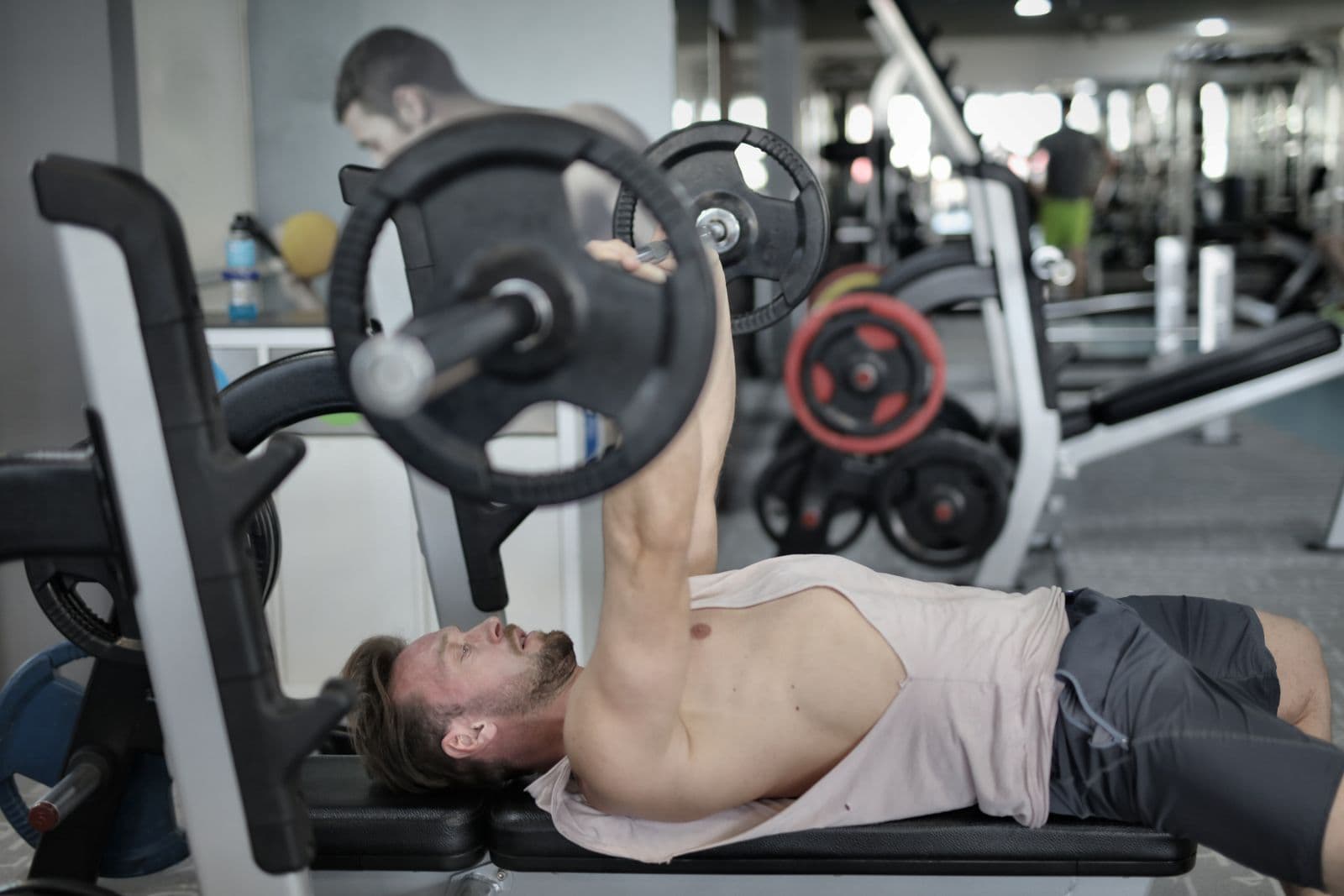 SBench press specialization programSpecializing means one lift gets the good days and everything else gets enough to not go backwards. phase.fitness writes that trade-off explicitly: bench frequency up, squat and deadlift volume down, and a date when the block ends.6–9 wk · 4 d/wk · intermediate
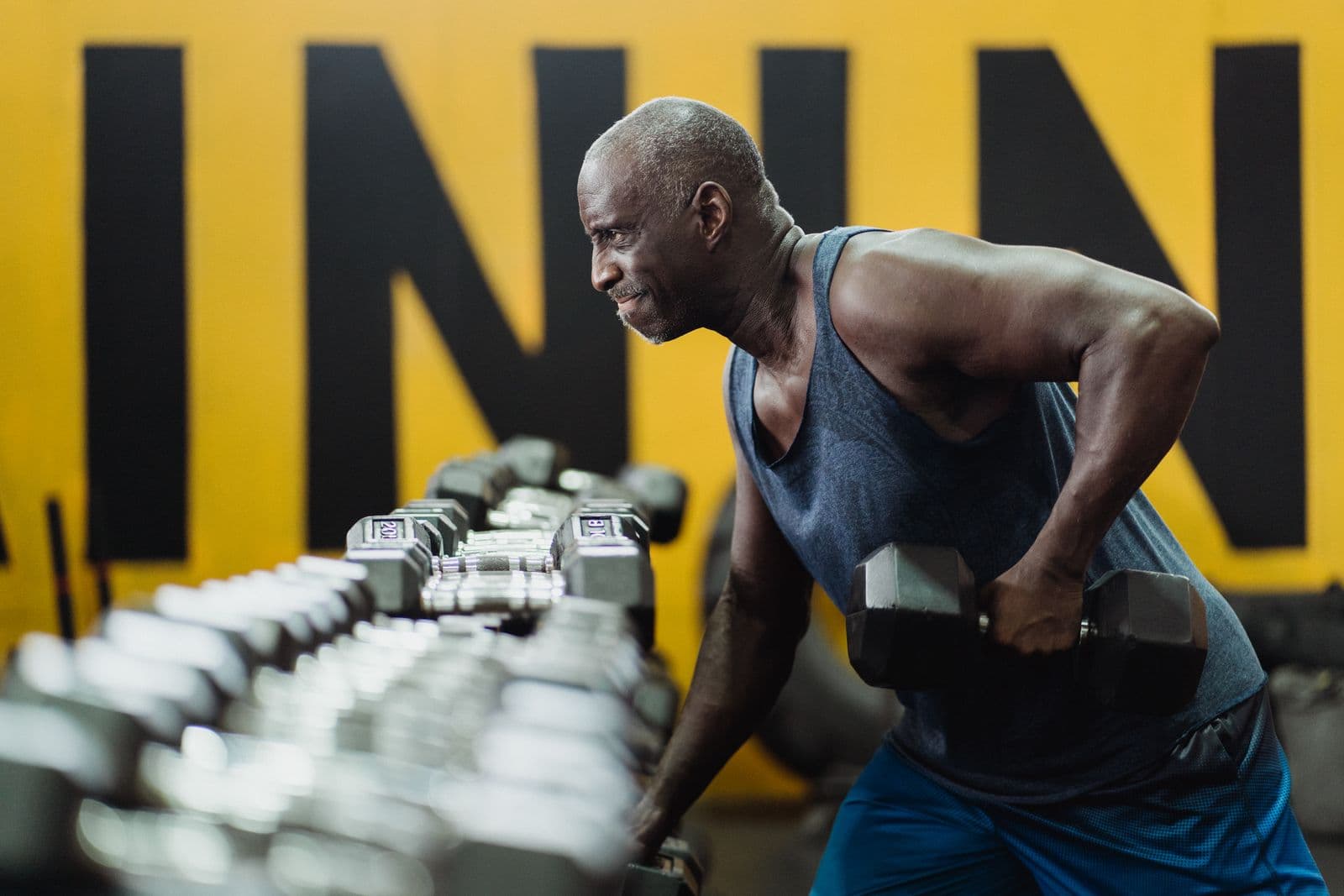 SCStrength training program for over 50Almost nothing about the training changes after 50. What changes is how long it takes to recover from it, and what you lose first if you leave it out — which is power, not strength.8–12 wk · 2–3 d/wk · all levels
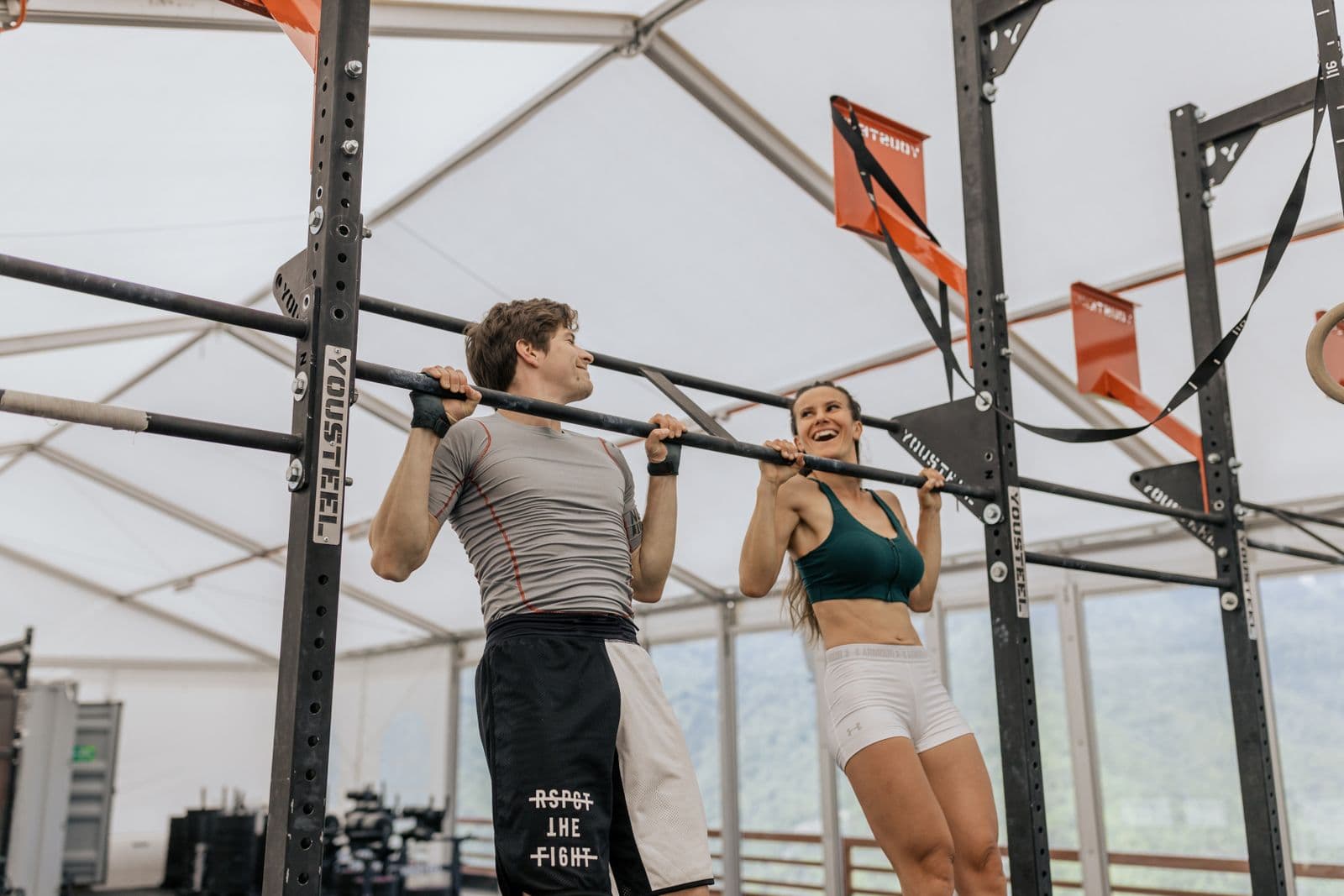 SFirst pull-up program: from zero to one strict repNobody gets a first pull-up by attempting pull-ups. The rep is built from three things you can already load — the lowering, an assisted version, and a heavy horizontal row — and the plan moves them at different speeds.8–12 wk · 3 d/wk · beginner
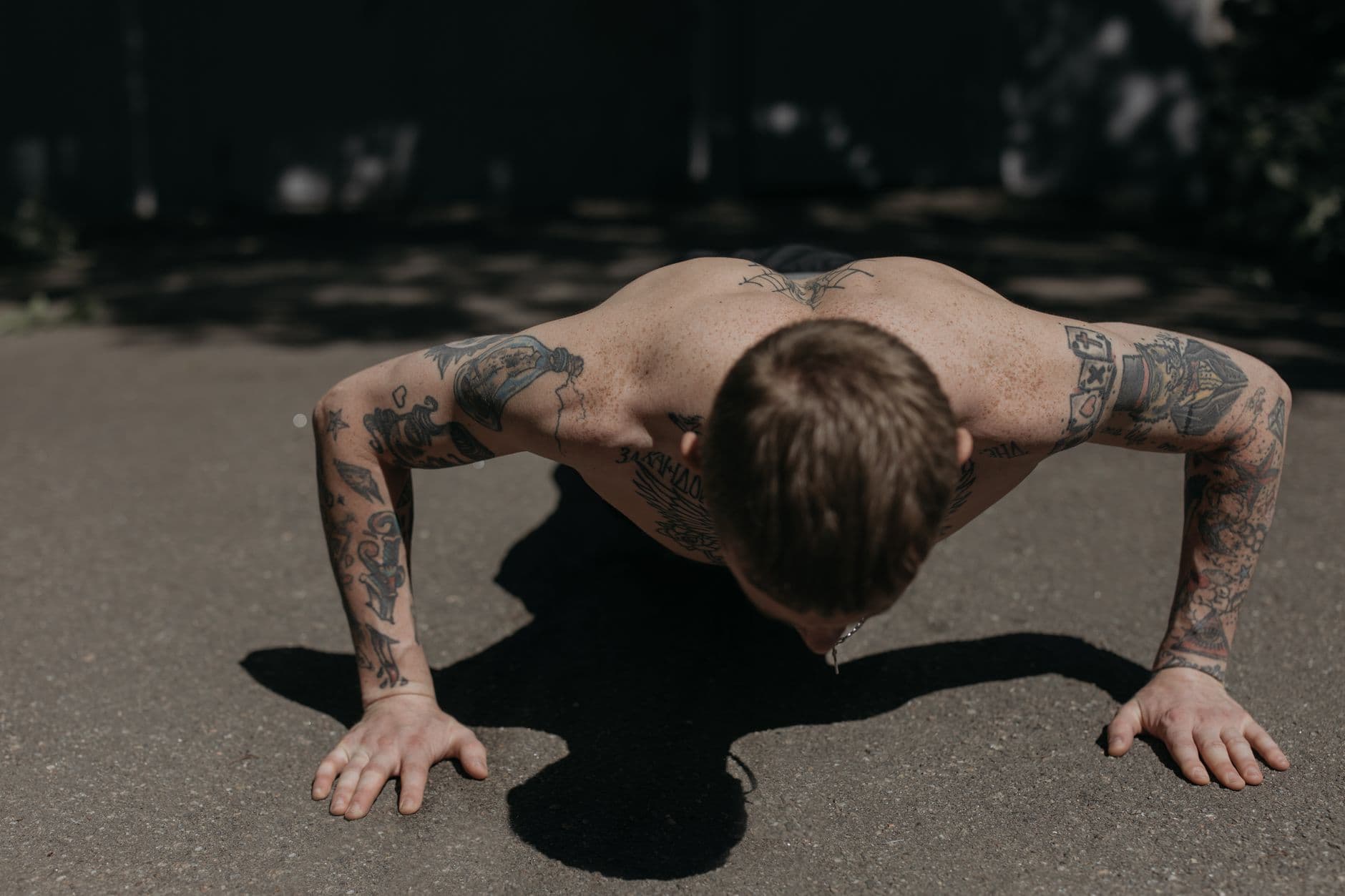 KBodyweight-only strength programNo plates, no problem — as long as the progression is real. phase.fitness writes bodyweight strength from a catalogue of 260 exercises arranged in steps, so a push-up becomes a harder push-up on schedule instead of more push-ups forever.6–12 wk · 3 d/wk · beginner
Calisthenics skills
A skill is a strength quality with prerequisites. These programs place you on a progression and prescribe sets, holds and rest like any other session.
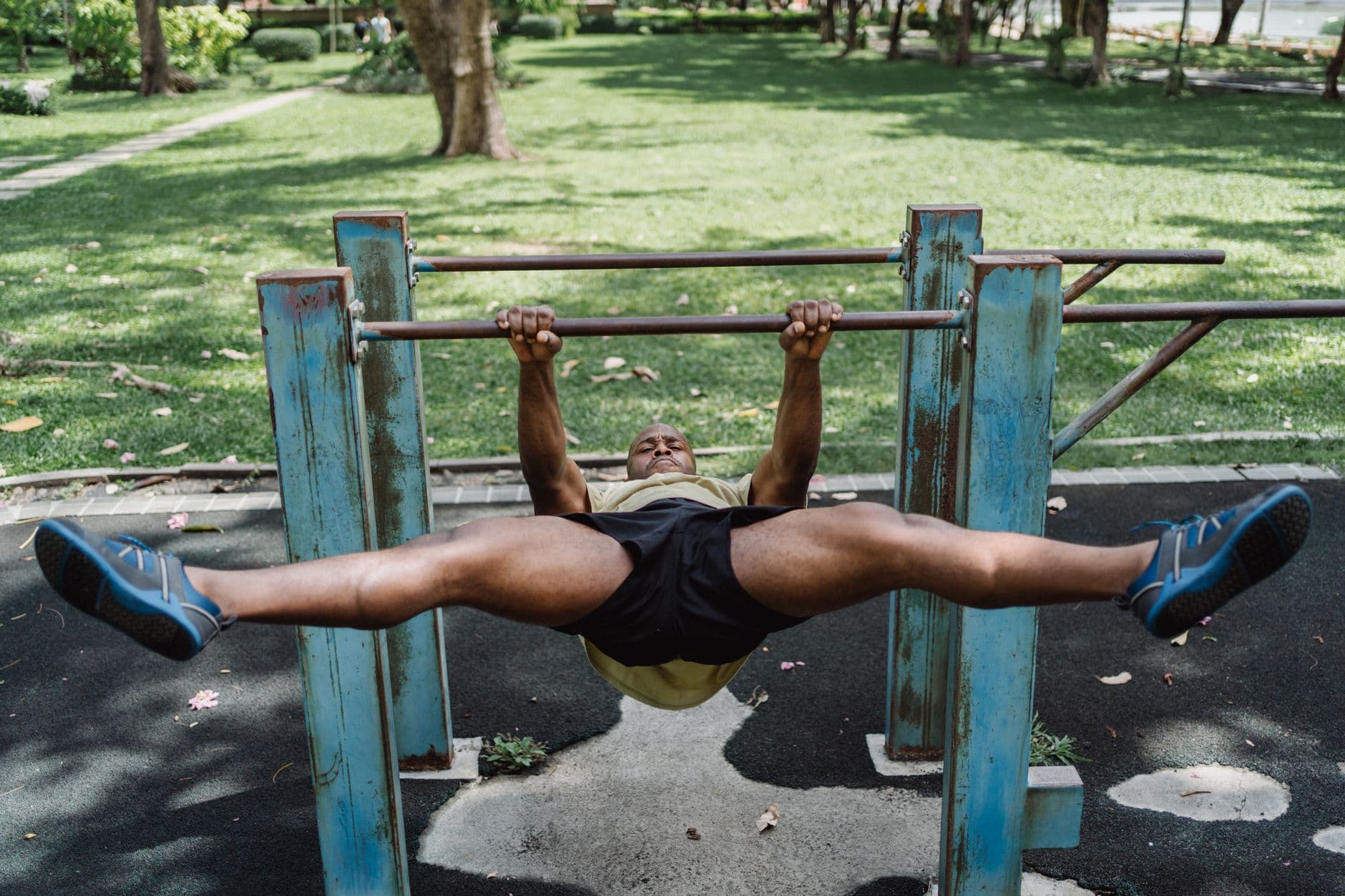 KMuscle-up program: from negatives to strictA muscle-up is gated by a high pull, a straight-arm transition and a deep dip — qualities you cannot practise by failing at the whole thing. phase.fitness places you on the progression with an assessment and prescribes the step, the sets and the rest.8–12 wk · 2–3 d/wk · intermediate
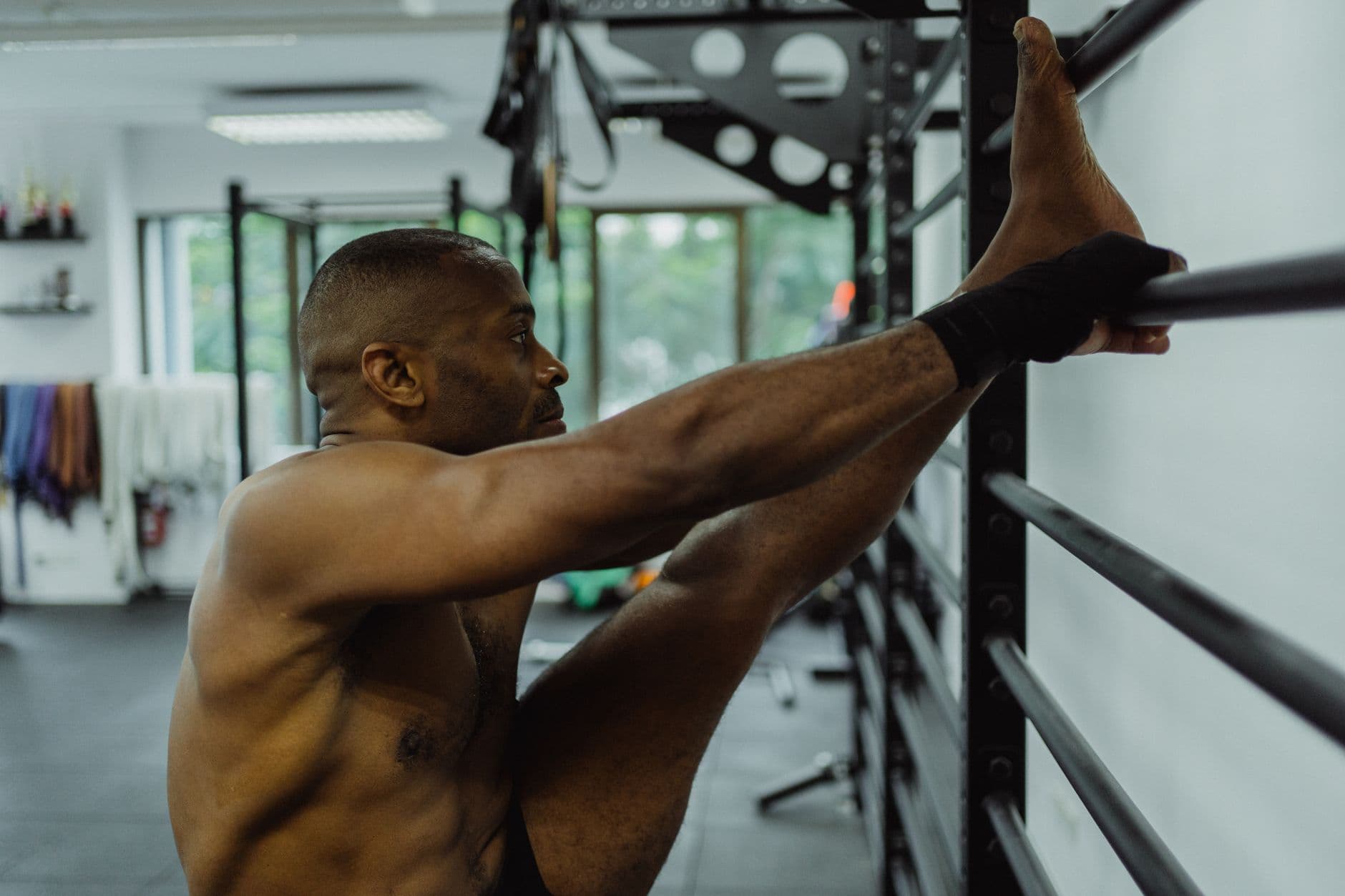 KFront lever program: tuck to full, with holdsThe front lever is an isometric strength quality with five steps, and phase.fitness programs it as one: 4–6 sets of 5–15 second holds at the step you can actually hold, moving up when the standard is met, with the back lever first because tendons adapt slower than muscles.12–24 wk · 2–3 d/wk · intermediate
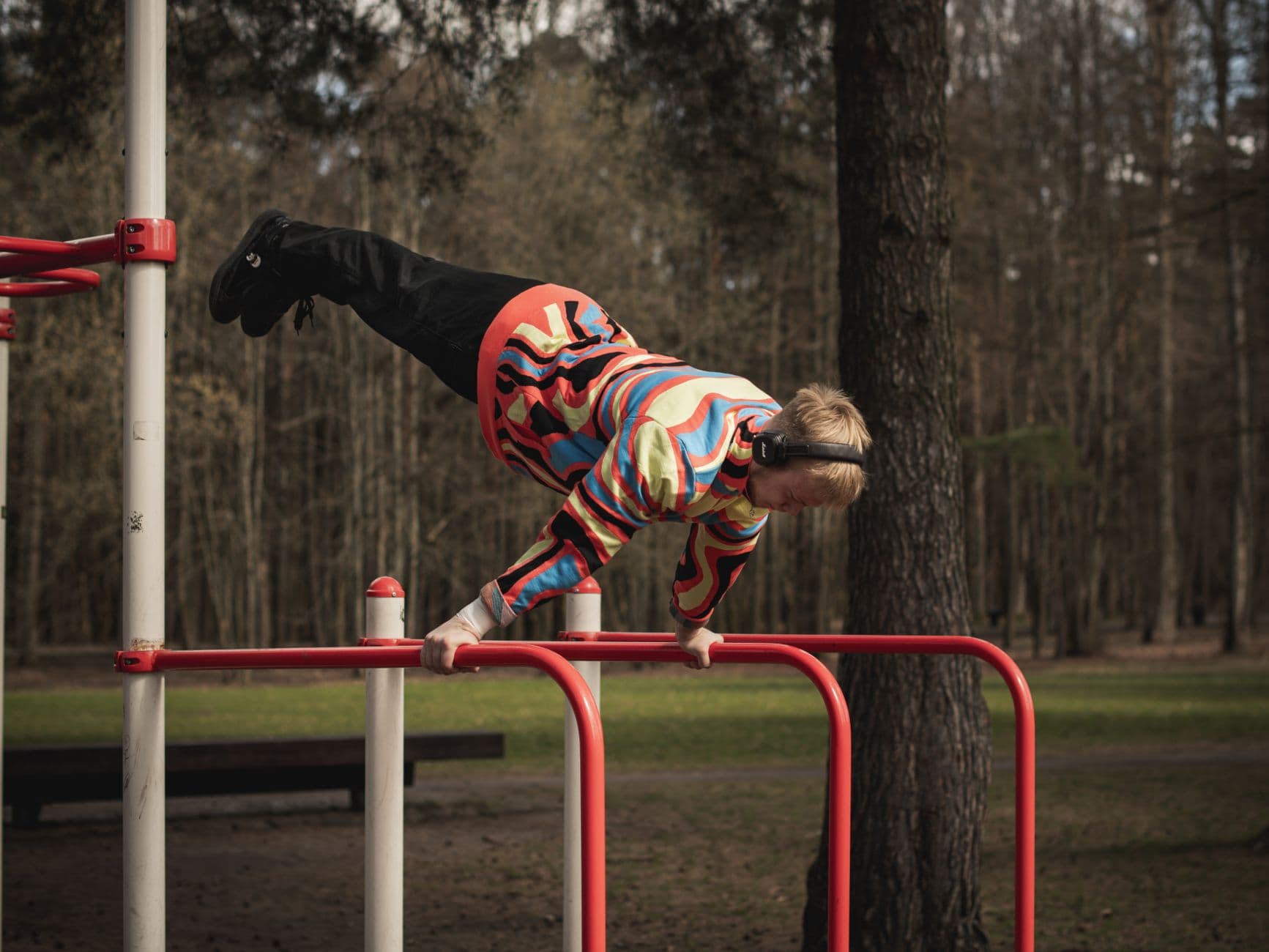 KPlanche program: frog stand to straddle and fullThe planche is the longest straight-arm progression in the catalogue, and phase.fitness programs it as steps with holds — 5–8 sets of 5–30 seconds at the start, 3–8 at the top — moving you up on standards, with the wrists and biceps tendons given the time they need.16–52 wk · 2–3 d/wk · advanced
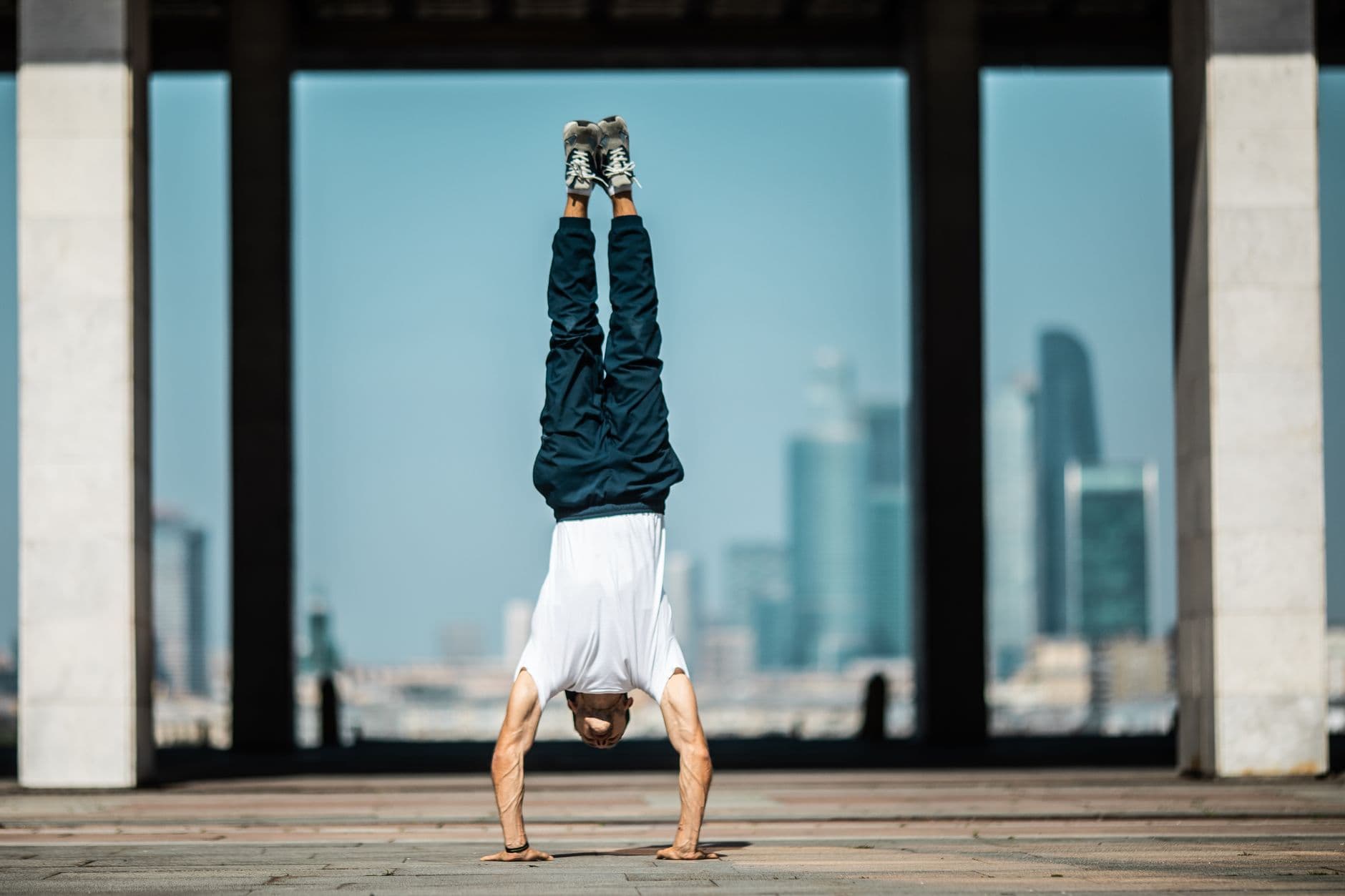 KHandstand program: wall to freestandingA handstand is a balance skill built on an overhead position most adults cannot reach, and phase.fitness programs both: wall holds for the line and the shoulders, then freestanding holds at 4–6 sets of 5–30 seconds, moving up when the standard is met.8–24 wk · 3–5 d/wk · beginner
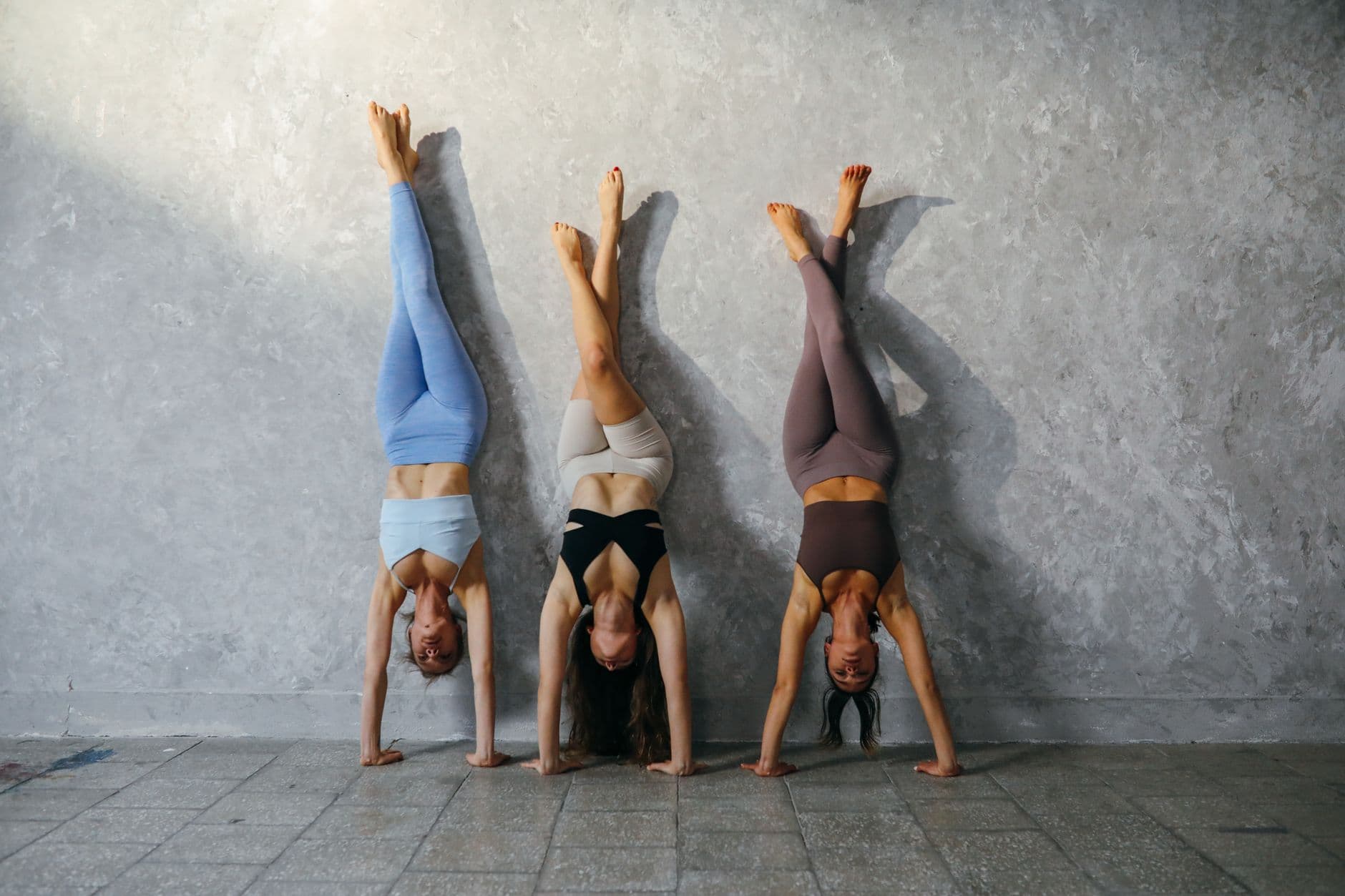 KHandstand push-up program: pike to freestandingA handstand push-up is an overhead press with your bodyweight and a balance problem on top. phase.fitness splits the two: seven pressing steps from pike to freestanding, and a 30-second handstand as the gate to the last of them.8–20 wk · 2–3 d/wk · intermediate
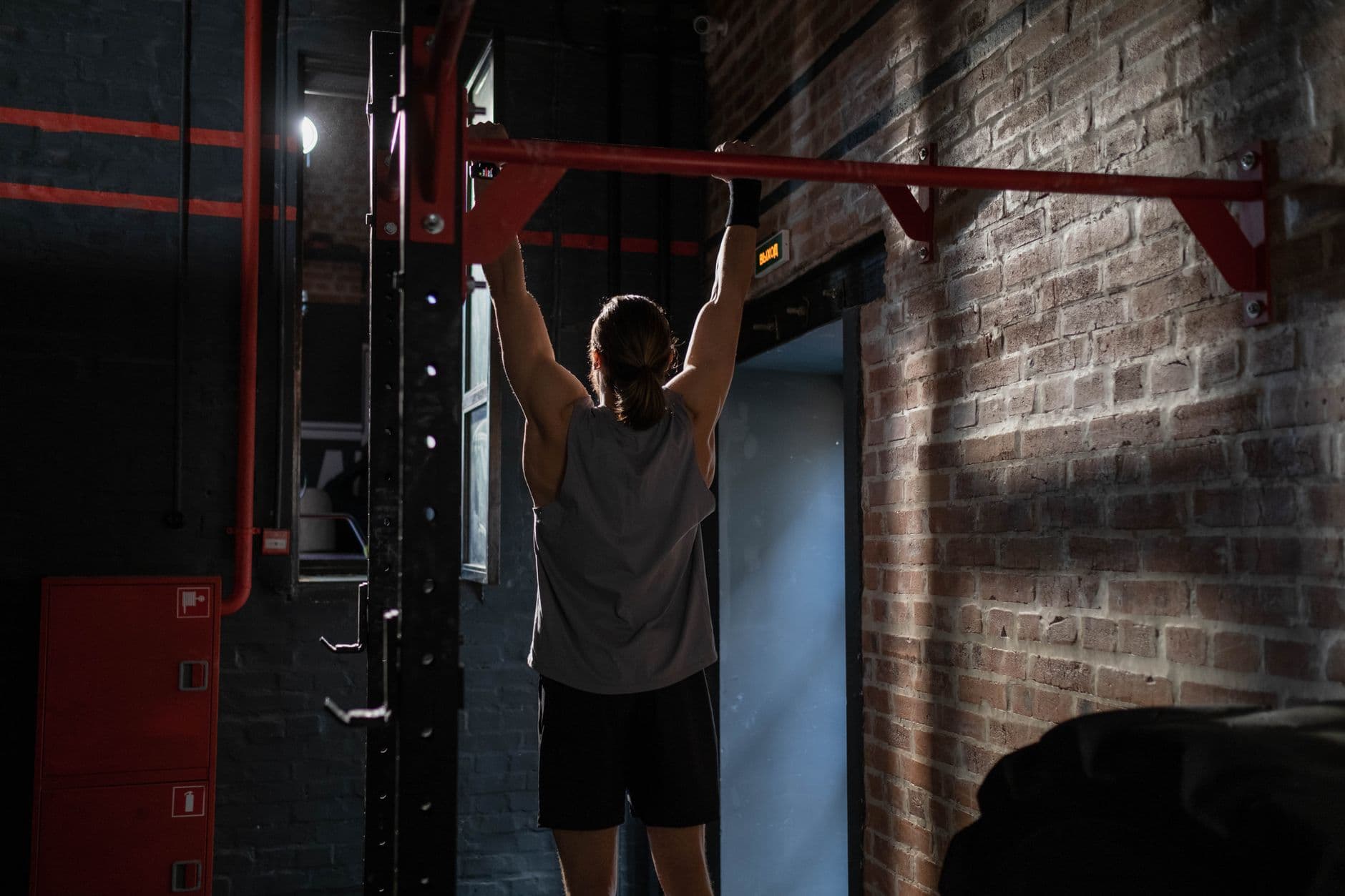 KOne-arm pull-up program: from archer to one armThe one-arm chin-up is a relative-strength target with an unforgiving gate — fifteen strict pull-ups and a weighted pull-up at half your bodyweight — and phase.fitness programs the road there as steps with sets and rest, eccentrics before concentrics.16–52 wk · 2–3 d/wk · advanced
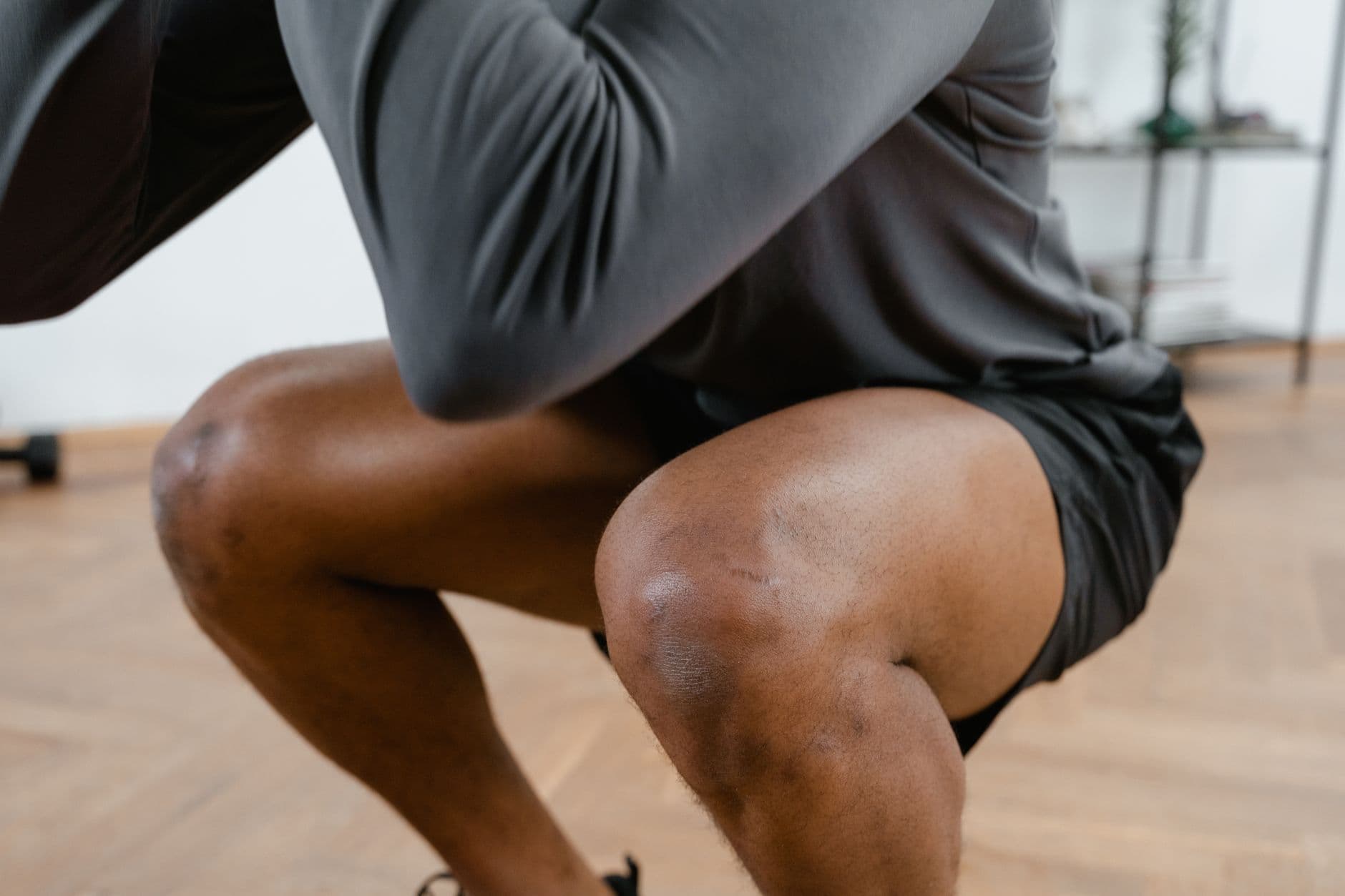 KPistol squat program: from full squat to weighted pistolA pistol squat is a single-leg strength standard and an ankle-mobility test at once, and phase.fitness programs both: six steps from a deep squat hold to a weighted pistol, with sets and reps per leg and the standard that moves you on.6–12 wk · 2–3 d/wk · beginner
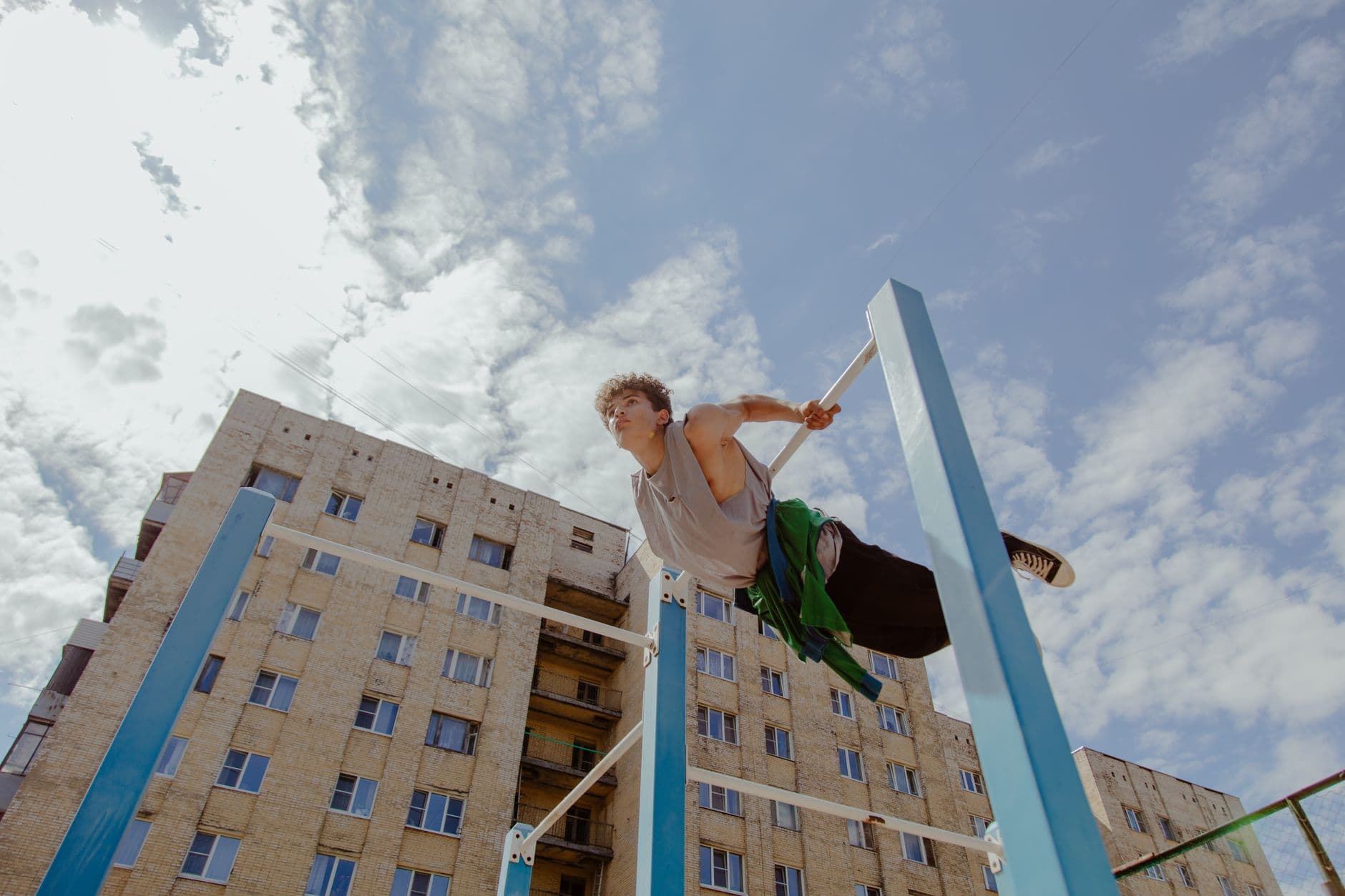 KHuman flag program: tuck to full flagThe human flag is a press with one arm and a pull with the other, held sideways, and phase.fitness programs it that way: a pulling and a pushing prerequisite for the two arms, then five leverage steps with holds per side, moving on when the standard is met.12–24 wk · 2–3 d/wk · advanced
Hybrid
Two or three modalities in one week, ordered so they add up instead of cancelling out. The thing no other planner does.
 CSRunning and lifting in the same weekRunning and lifting in the same week is not two plans stapled together. phase.fitness writes one: the order of the days is a decision the plan makes, one quality leads per phase, and the strength stays heavy and short so it never eats the run that matters.8–16 wk · 5–6 d/wk · all levels
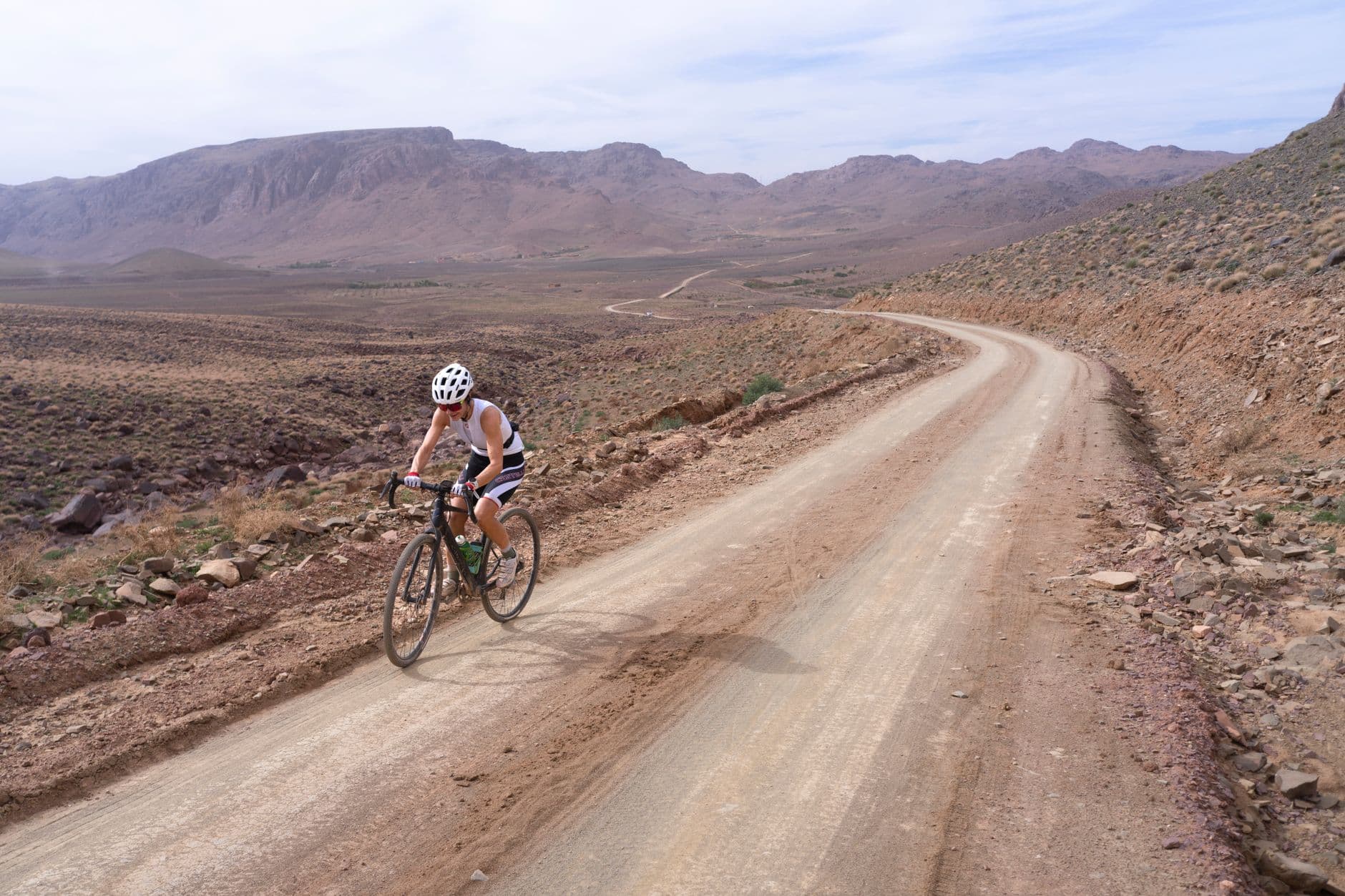 CSCycling and strength training programStrength for cyclists is not more riding with plates: it is squat and hinge patterns at 3–5 sets of 4–6, placed where they cannot spoil the hardest ride, and it fades from two sessions to one as the riding block hardens. phase.fitness plans both halves in one week.12–20 wk · 5–6 d/wk · all levels
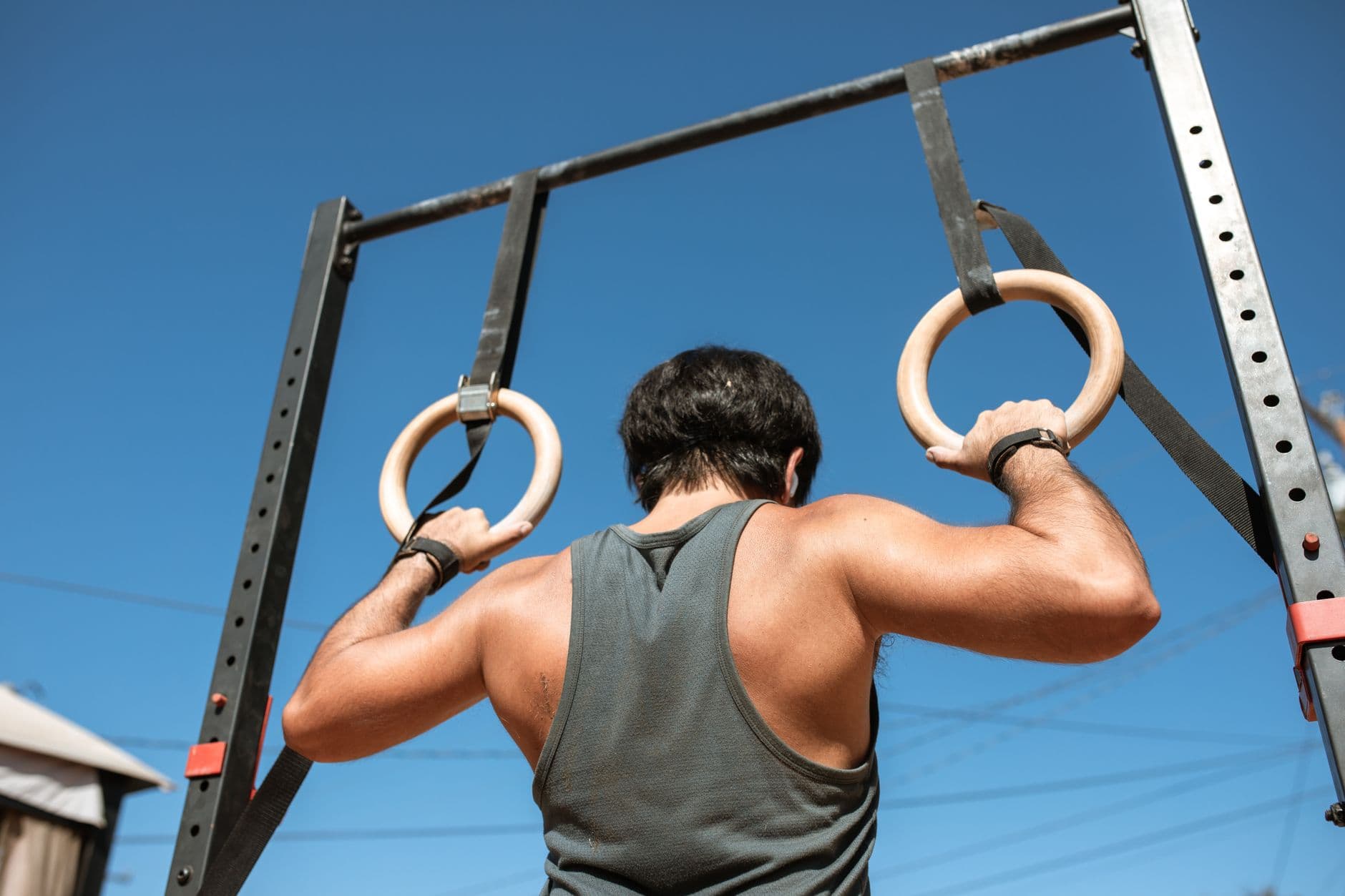 SKCalisthenics and weights in one programA front lever and a deadlift belong in the same program, and phase.fitness is the planner that puts them there: barbell days for the strength the skills stand on, skill days for what the barbell cannot train, one calendar and one recovery budget.8–12 wk · 4–5 d/wk · intermediate
 SCRucking training plan, with the strength work that holds it upA ruck is a walk your spine has to hold up. Distance and weight both progress, but never in the same week — and the strength work is not optional extra credit, it is the thing that keeps the pack off your lower back.8–12 wk · 4–5 d/wk · all levels
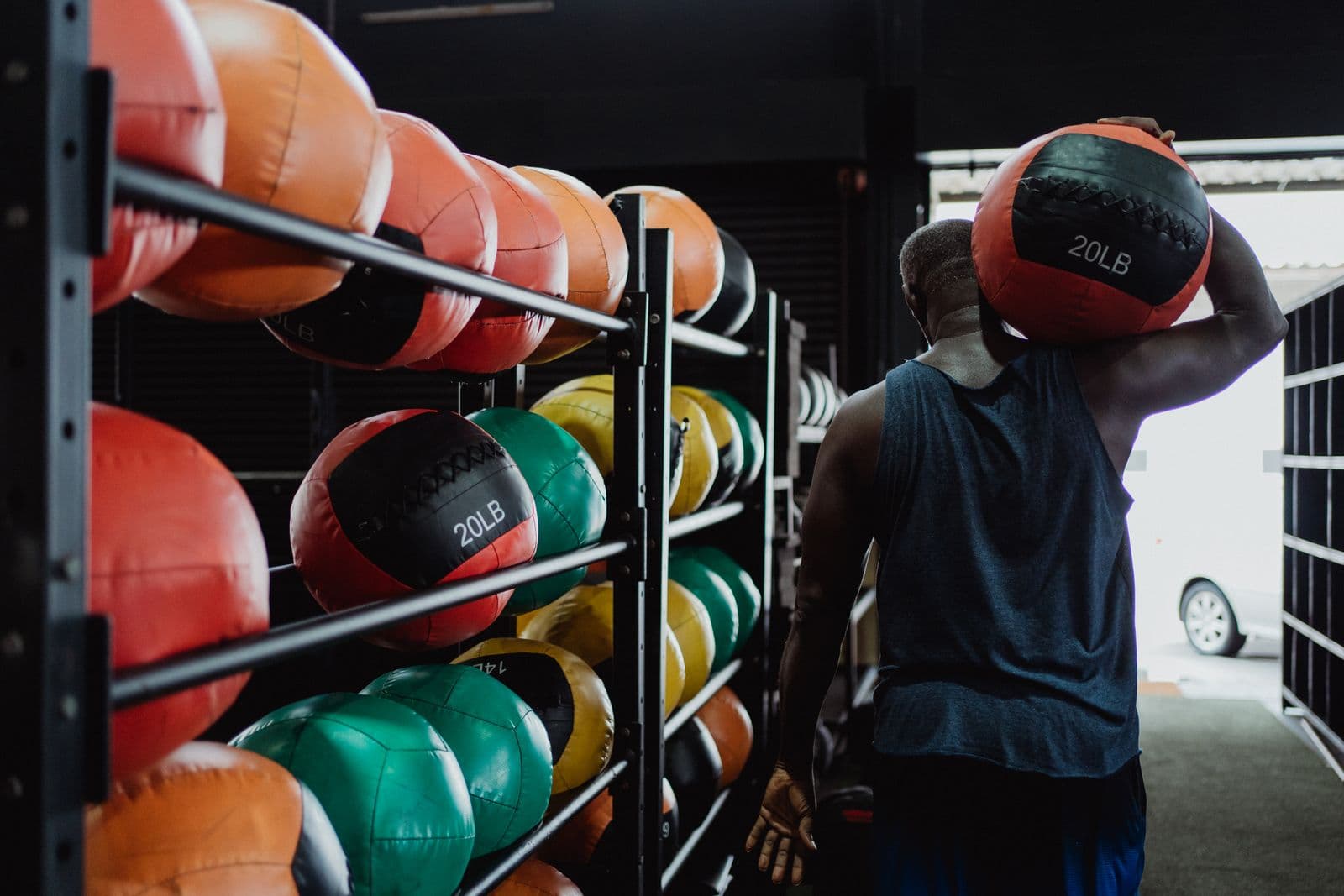 SCKCrossFit training program: the strength and engine around the workoutsClass gives you a different workout every day, which is the point and also the problem: nothing in it progresses on a schedule. The strength, the engine and the skills are what a program is for.8–12 wk · 5–6 d/wk · intermediate
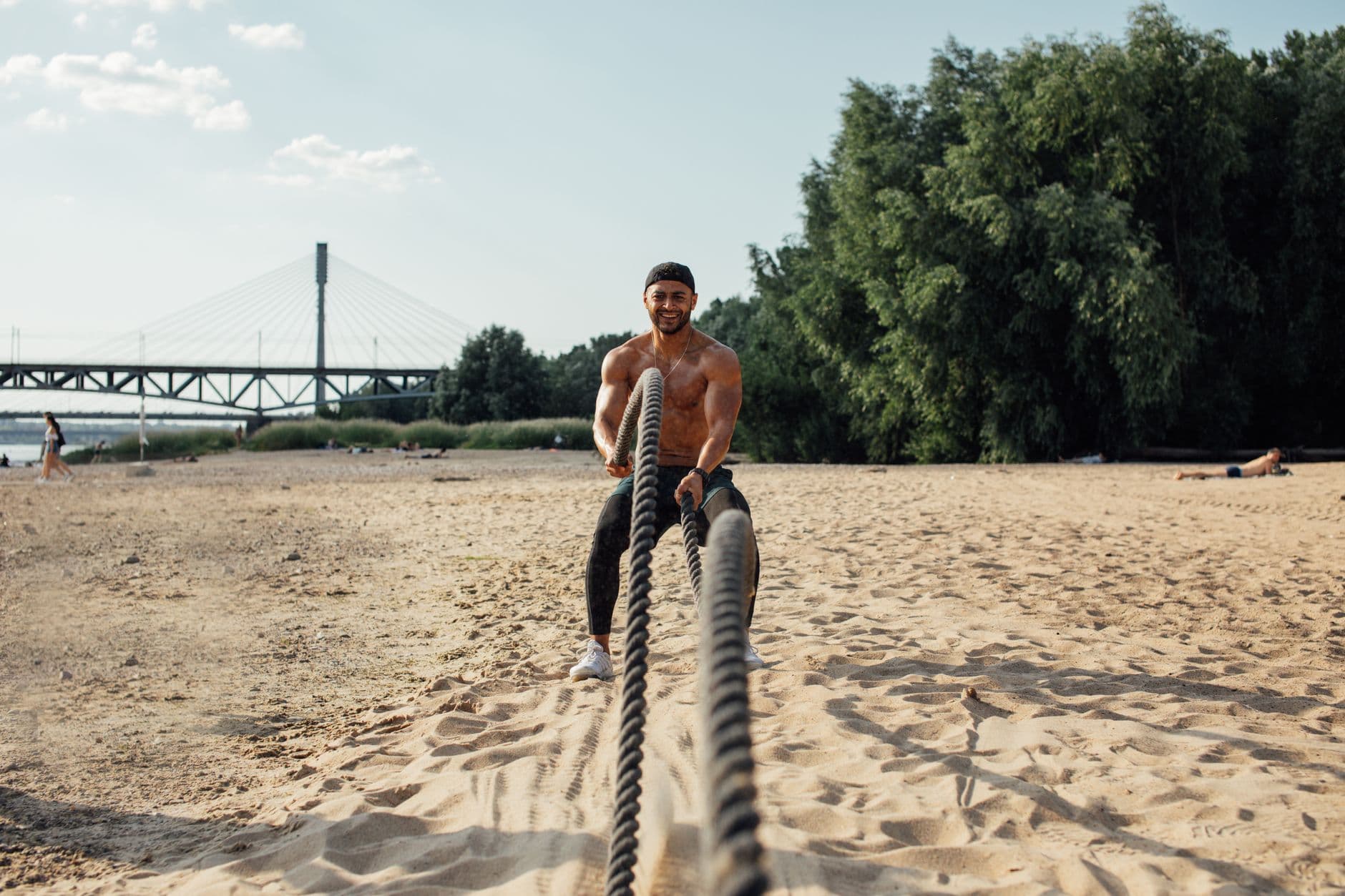 SCKStrength, cardio and calisthenics: one periodized programTwo barbell days, one endurance session and one skill day, planned together and counted together — not a lifting app plus a running app plus a YouTube playlist. This is the program the rest of the site is about, and the one no other planner writes.8–16 wk · 5–6 d/wk · all levels
Don't see your sport?
Don't see your sport? Type it in. The generator recognises 118 spellings of sports in several languages and resolves them to eighteen disciplines, each with its own document. A sport that is not on this page is not a sport phase.fitness cannot plan for; it is a page we have not written yet.
The only app that plans strength, cardio and calisthenics together
Whatever the sport, the calisthenics day is where the qualities the barbell skips — straight-arm strength, scapular control, single-leg balance — get programmed instead of hoped for.
Right now, phase.fitness is the only training app that writes strength, cardio and calisthenics into one periodized program — same calendar, same phases, same recovery budget.
You choose the mix. A calisthenics-only plan, a cardio-only block, strength plus cardio, or all three: the phases, the end-of-phase analysis and the sync work the same way with one modality or three.
Why calisthenics is in the plan
Bodyweight skill work is strength training in a different shape. Straight-arm work, levers and handstands build scapular control, tendon capacity and relative strength that barbell and machine work leave untouched, and they transfer because they are closed-chain, whole-body patterns. Treated as a modality rather than a warm-up, they get sets, holds and progressions like a squat does.
No exercise catalogue on the market contains a tuck front lever, so those sessions run in the phase.fitness built-in player; strength goes to Hevy, Liftosaur or a Garmin watch, cardio to Garmin and Intervals.icu. How the skill work is programmed.
Frequently asked questions
Are these ready-made programs or generated ones?
Both. Every page describes what phase.fitness generates for that case — the phases, the weekly bands, the ordering rules — from the document its generator reads. Where an official template exists for the same case, the page names it: templates are hand-written and can be imported into a phase without AI credits.
Can a program contain only one modality?
Yes. phase.fitness builds strength-only, cardio-only and calisthenics-only programs, as well as any mix. The phases, the end-of-phase analysis and the sync work the same way whether the week holds one modality or three.
Where do the numbers on these pages come from?
From the knowledge base the phase.fitness generator reads: 34 documents covering periodization, volume landmarks, RPE and one document per sport, most of them with published references. Each program page links the documents it was transcribed from, and every document is published in full under Methodology.
How much does it cost to run one of these programs?
The free tier of phase.fitness includes 10 AI credits a month and no limit on the programs and routines you build yourself, and it does not expire. PRO is $34.90 every three months or $104.70 a year, and adds end-of-phase analysis, two-way connections with Garmin, Hevy, Intervals.icu and Liftosaur, Post to Strava, and 100 AI credits a month.