Sport performance
5K and 10K training plan, with the lifting built in
phase.fitness writes a 5K or 10K block as phases — base, build, sharpen — with two heavy, low-volume strength days placed where they cannot spoil a quality run, and a taper that starts from your race date.
Updated
- Level
- All levels
- Length
- 8–12 weeks
- Days per week
- 4–5
- Modalities
- CardioStrength
- Equipment
- Road or track, a watch; barbell or dumbbells for the two gym days
- Sessions go to
- Garmin, Intervals.icu, Strava, Hevy
The short answer
phase.fitness builds a 5K–10K plan from your current weekly minutes, your endurance level and the race date. The cardio engine ramps volume by no more than 8–10% a week, keeps 80–85% of the running easy, adds one or two quality sessions once your level allows them, and cuts volume in the final two weeks. Two strength sessions of 3–4 sets of 3–6 reps sit after easy runs, never before a quality one. The completed runs come back from Garmin or Intervals.icu and shape the next phase, Garmin's only if you allow it.
Why a 10K is not a long 5K
A 5K is run close to VO2max; a 10K sits just under threshold for twice as long. Both are built on the same base — most of your minutes at an easy, conversational effort — but the quality work differs: 5K sharpening leans on 3–5 minute intervals at 90–100% of VO2max, 10K on 20–40 minutes of tempo at or near threshold. The phase.fitness endurance document prescribes both and places them by phase, not by mood.
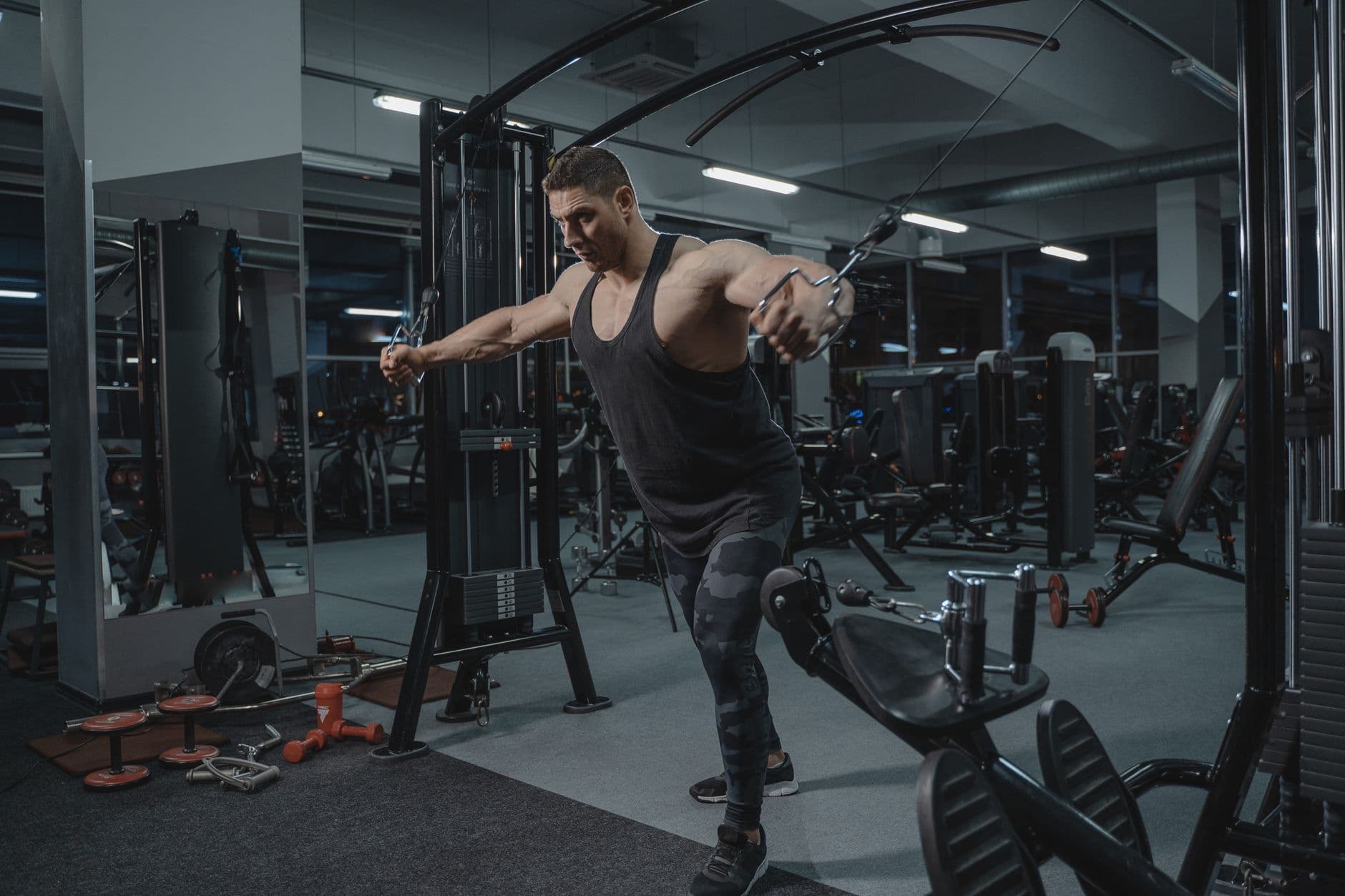
The other half of the answer is strength. Endurance athletes who lift heavy and light on volume improve running economy by a few percent and get injured less. That is why the plan holds two gym days even in the peak block: 3–4 sets of 3–6 reps of a squat, a hinge, a step-up and calf raises, with 2–3 plyometric drills for tendon stiffness. Not hypertrophy volume — economy and resilience.
Can you lift weights while training for a 5K?
Yes, and phase.fitness plans it rather than leaving it to chance: two strength sessions a week of 3–4 sets of 3–6 reps, placed after an easy run and never the day before a quality session. Heavy and low in reps is what protects running economy without leaving the fatigue that ruins a tempo.
How many weeks does a 10K plan need?
phase.fitness writes a 5K or 10K plan over 8–12 weeks: four to six weeks of base with easy running and strides, three to four of build where tempo and VO2max work appear, two to three of sharpening at race pace, then one or two weeks of taper before the date you gave it.
How fast can I increase my weekly running mileage?
phase.fitness ramps weekly running volume by no more than 8–10% and keeps 80–85% of it easy, whatever the race date says. If your current weekly minutes are low it builds the base first and adds quality sessions only once your endurance level allows them, instead of compressing the plan.
What phase.fitness builds
A program is a sequence of phases, each with a job. These are the phases phase.fitness writes for this case, with the bands the generator has to respect — transcribed from the document it reads, not invented for this page.
Base
4–6
Build
3–4
Sharpen
2–3
Taper
1–2
| Phase | Weeks | Job | Band |
|---|---|---|---|
| Base | 4–6 | Aerobic foundation, easy running, strides | ~90% of minutes in Z1–Z2; volume up ≤10% per week; strength 2×/week, 3–4 × 3–6 reps |
| Build | 3–4 | Add tempo and VO2max work, volume flattens | 80/10/10 across Z1–2 / Z3 / Z4; tempo 20–40 min 1×/week; intervals 3–8 min at 90–100% 1–2×/week |
| Sharpen | 2–3 | Race-pace sessions, volume down 10–15% | 1–2 quality sessions at goal pace; strength held at maintenance |
| Taper | 1–2 | Arrive fresh | Volume down 40–60% in the final two weeks (the phase.fitness engine uses 0.75 then 0.55 of the ramp); intensity kept |
A sample week
One week from the first phase, as it would sit on the calendar. Your own week follows the days you say you have — 4–5 here — and the equipment you list.
- SStrength
- CCardio
- Rest
| Day | Modality | Session |
|---|---|---|
| Mon | C | Easy run 35–45 min + 6 × 20 s strides |
| Tue | S | Squat, hinge, step-up, calf raises — 3–4 × 3–6, RPE 7–8 |
| Wed | C | Tempo: 20–30 min at threshold inside a 50-min run |
| Thu | Rest | — |
| Fri | C | Easy run 30–40 min |
| Sat | C | Long run 60–80 min, Z1–Z2 |
| Sun | S | Second gym day: same lifts, lighter; 2–3 plyometric drills 3 × 6–8 |
S = strength · C = cardio · K = calisthenics. The order is the point: hard days are kept apart and the long session gets the clean slot.
How it adapts when a phase ends
When a phase ends, phase.fitness reads the runs that actually happened — distance, time, heart rate from Garmin or Intervals.icu — and the sessions you skipped. Garmin activities are read only if you allow it. If the long run kept slipping, the next phase grows it more slowly; if the tempo sessions came in under target effort, the threshold estimate moves. The endurance level is re-read from the assessment and the logs, so a runner who has outgrown the recreational palette gets threshold work in the next block instead of more tempo.
The lifting is read the same way: loads and RPE from Hevy, Liftosaur or the watch. If the squat stalled while the mileage rose, the next phase keeps the intensity and trims the gym volume, because that is the trade the document prescribes for endurance athletes.
Where the sessions go
phase.fitness plans; you train in the app or on the watch you already use, and the completed session comes back. For this program:
What phase.fitness does not do here
phase.fitness does not coach running form or write a race-day pacing chart. It plans the weeks, sends the runs to your watch and reads them back. It also will not ramp you past what your level allows: a sedentary starter gets walk-run sessions and 150 weekly minutes as a ceiling, not a 10K plan pretending otherwise.
The evidence
The documents this page is built from
These are the knowledge-base documents the phase.fitness generator reads for this case. The phases, bands and weekly numbers above are transcribed from them.
- Physiological Optimization for Long-Distance Performance — updated 2026-02-21, endurance
- Strength Training Basics — updated 2025-01-07
Frequently asked questions
Can phase.fitness build a 10K plan for a complete beginner?
Yes. phase.fitness asks for your endurance level and starts a sedentary or novice runner on walk-run and easy continuous sessions of 20–25 minutes, adding 3–4 minutes per session and capping the week at 150–240 minutes. Quality sessions appear only once the level allows them.
How many strength days does a 5K or 10K plan have?
Two in base and build, one or two in the final block. phase.fitness keeps them heavy and short — 3–4 sets of 3–6 reps — and places them after easy runs or on separate days, never before a quality session.
Does the plan go to my watch?
Yes. phase.fitness pushes the planned runs to Garmin Connect and to Intervals.icu with the intervals and zones intact, and the completed activity comes back automatically.
What happens if I miss a week?
The phase.fitness calendar keeps the weeks that already happened and rewrites from the first free one. Missed sessions are counted as missed, not silently moved, and the next phase is built from what you actually ran.
The only app that plans strength, cardio and calisthenics together
For a runner, the calisthenics day is where single-leg strength and trunk stiffness get trained on purpose: pistol-squat progressions and L-sit or hollow holds cost nothing in soreness and pay on the last kilometre.
Right now, phase.fitness is the only training app that writes strength, cardio and calisthenics into one periodized program — same calendar, same phases, same recovery budget.
You choose the mix. A calisthenics-only plan, a cardio-only block, strength plus cardio, or all three: the phases, the end-of-phase analysis and the sync work the same way with one modality or three.
Why calisthenics is in the plan
Bodyweight skill work is strength training in a different shape. Straight-arm work, levers and handstands build scapular control, tendon capacity and relative strength that barbell and machine work leave untouched, and they transfer because they are closed-chain, whole-body patterns. Treated as a modality rather than a warm-up, they get sets, holds and progressions like a squat does.
No exercise catalogue on the market contains a tuck front lever, so those sessions run in the phase.fitness built-in player; strength goes to Hevy, Liftosaur or a Garmin watch, cardio to Garmin and Intervals.icu. How the skill work is programmed.
Free to start, no card. The first phase is yours to keep whatever you decide.