Training principles
Strength Training Basics
beginner, intermediate · strength, hypertrophy
Updated
How this document is used
This is one of the 44 documents the phase.fitness generator reads before writing a phase. It receives the principles below as context, and the numbers in it become the bands a generated program has to respect. The references at the end are stripped from the prompt — the model is not allowed to cite studies — and kept here, for you to check.
This document outlines fundamental principles of strength training that apply across all experience levels and training goals.
Progressive Overload
Progressive overload is the cornerstone of strength development. The principle states that to continue making adaptations, training stress must gradually increase over time.
Methods of Progression
Volume Progression:
- Adding sets (e.g., 3 sets → 4 sets)
- Adding reps (e.g., 3x8 → 3x10)
- Most effective for hypertrophy and work capacity
Intensity Progression:
- Increasing load (e.g., 100kg → 105kg)
- Most direct for strength gains
- Recommended: 2.5-5kg increases per session for compound lifts
Frequency Progression:
- Training a movement pattern more often per week
- Effective for skill acquisition and volume accumulation
Recommended Progression Timeline
Beginners (0-1 year):
- Session-to-session progression possible
- Linear progression protocols effective
- Focus on technique mastery alongside load increases
Intermediate (1-3 years):
- Weekly progression more realistic
- Periodization becomes beneficial
- Variation in rep ranges useful
Advanced (3+ years):
- Monthly or block-based progression
- Sophisticated periodization necessary
- Autoregulation helps manage fatigue
Volume
Training volume — sets, reps and load — is a primary driver of both strength and hypertrophy. Useful weekly ranges, per muscle group:
- Minimum to progress: 8–10 sets for major groups, 4–6 for smaller ones.
- Where most growth happens: 12–20 sets for major groups, 8–14 for smaller ones.
- Above recoverable volume: performance falls, soreness persists, sleep and motivation deteriorate. This ceiling is highly individual and moves with sleep, nutrition and life stress.
Volume is the variable to adjust first when progress stalls, and the one to reduce first when recovery is compromised.
Exercise Selection and Order
The order within a session is not arbitrary
Whatever matters most goes first, while the athlete is fresh:
- Power or explosive work, if present. Most sensitive to fatigue.
- Primary compound lifts — squat, hinge, horizontal and vertical press and pull.
- Secondary compounds and unilateral work.
- Isolation and accessory work.
- Grip and trunk work last, because both compromise everything performed after them.
An exercise trained at the end of a session receives less than an exercise trained at the start, regardless of the sets written next to it. Position in the session is itself a form of prescription.
Balance across patterns
Over a training week, the programme should cover: knee-dominant and hip-dominant lower body, horizontal and vertical pushing, horizontal and vertical pulling, and loaded trunk work.
Pulling volume at or above pushing volume is a reasonable default for most people, given how posterior-chain-poor typical daily activity is.
Substitution is a legitimate tool
An exercise that cannot be performed with control, cannot be loaded progressively, or causes pain should be replaced rather than endured. The pattern matters; the specific exercise usually does not.
Technique and Load Standards
Load is added when the current load is performed well, not when the calendar says so. Two practical gates:
- Repetition quality: the last repetition of a working set should look like the first. When the final reps degrade — range shortening, position collapsing, bar path changing — the load is ahead of the athlete.
- Repetitions in reserve: most productive work sits 1–3 repetitions short of failure. Training to failure on compound lifts costs disproportionate recovery for a small additional stimulus, and is best reserved for isolation work where the risk is low.
When Progress Stalls
Before concluding that a programme has stopped working, check in this order:
- Recovery: sleep, food, and life stress explain more stalls than programming does.
- Adherence: the sessions actually completed, not the sessions written.
- Volume: below the minimum to progress, or above what is being recovered from.
- Variation: the same exercise for many months with no change in stimulus.
- Expectation: an intermediate expecting beginner rates of progress is not stalled.
Only after these does changing the programme itself make sense. Most stalls resolve with a deload, a small volume adjustment, or a night's sleep — not with a new template.
Intensity Guidelines
For Strength Development
- Primary range: 80-95% 1RM (1-6 reps)
- Volume: 3-8 sets per exercise
- Frequency: 2-4x per week per lift
- Rest: 3-5 minutes between sets
For Hypertrophy
- Primary range: 65-85% 1RM (6-12 reps)
- Volume: 3-6 sets per exercise
- Frequency: 2-3x per week per muscle group
- Rest: 1-3 minutes between sets
Recovery Principles
Between Sessions
- Minimum 48 hours between training same muscle group at high intensity
- More frequent training possible at lower volumes/intensities
- Monitor performance as primary indicator
Deload Protocols
Recommended every 4-6 weeks:
- Reduce volume by 40-50%, or
- Reduce intensity by 20%, or
- Reduce both slightly (30% volume, 10% intensity)
Signs You Need Recovery
- Performance plateau or regression for 2+ sessions
- Persistent muscle soreness
- Sleep disruption
- Motivation decrease
- Elevated resting heart rate
Key Takeaways
- Progressive overload is non-negotiable for continued adaptation
- Volume must be within MEV-MRV range for optimal results
- Intensity selection depends on primary goal (strength vs hypertrophy)
- Recovery is when adaptation occurs—program it systematically
- Individual variation is significant—monitor and adjust based on response
References
- Schoenfeld, B. J. (2010). The mechanisms of muscle hypertrophy and their application to resistance training. Journal of Strength and Conditioning Research, 24(10), 2857-2872.
- Helms, E. R., et al. (2014). Recommendations for natural bodybuilding contest preparation: resistance training. Journal of Sports Medicine and Physical Fitness, 54(3), 133-144.
- Israetel, M., Hoffmann, J., & Smith, C. W. (2015). Scientific Principles of Strength Training. Juggernaut Training Systems.
Programs built from this document
 CS5K and 10K training plan, with the lifting built in8–12 wk · 4–5 d/wk · all levels
 CSHalf marathon training plan that keeps you strong10–14 wk · 4–6 d/wk · all levels
 CSMarathon training plan with strength that survives the build14–18 wk · 5–6 d/wk · intermediate
 CSTriathlon training plan: three sports and one strength day12–20 wk · 6 d/wk · intermediate
 SCSprint and track strength program12–16 wk · 5 d/wk · intermediate
 SCBasketball strength and conditioning program12–16 + season wk · 3–4 d/wk · all levels
 SCStrength and conditioning for combat sports8–12 wk · 2–3 gym + skill d/wk · intermediate
 SCKHyrox training plan: running, stations and strength in one week10–16 wk · 5–6 d/wk · intermediate
 SStrength training program, periodized8–13 wk · 3–4 d/wk · all levels
 SHypertrophy program built on volume landmarks5–8 wk · 4–6 d/wk · all levels
 SCGeneral fitness program: three days, six movement patterns8–16 wk · 2–3 lifting + 2–4 easy cardio d/wk · beginner
 SPush / pull / legs program, six days6–8 wk · 6 d/wk · intermediate
 SFull body, three days a week8 wk · 3 d/wk · beginner
 SDumbbell-only program, periodized6–8 wk · 3 d/wk · beginner
 SKettlebell program, periodized6–10 wk · 3–4 d/wk · all levels
 SCStrength training program for over 508–12 wk · 2–3 d/wk · all levels
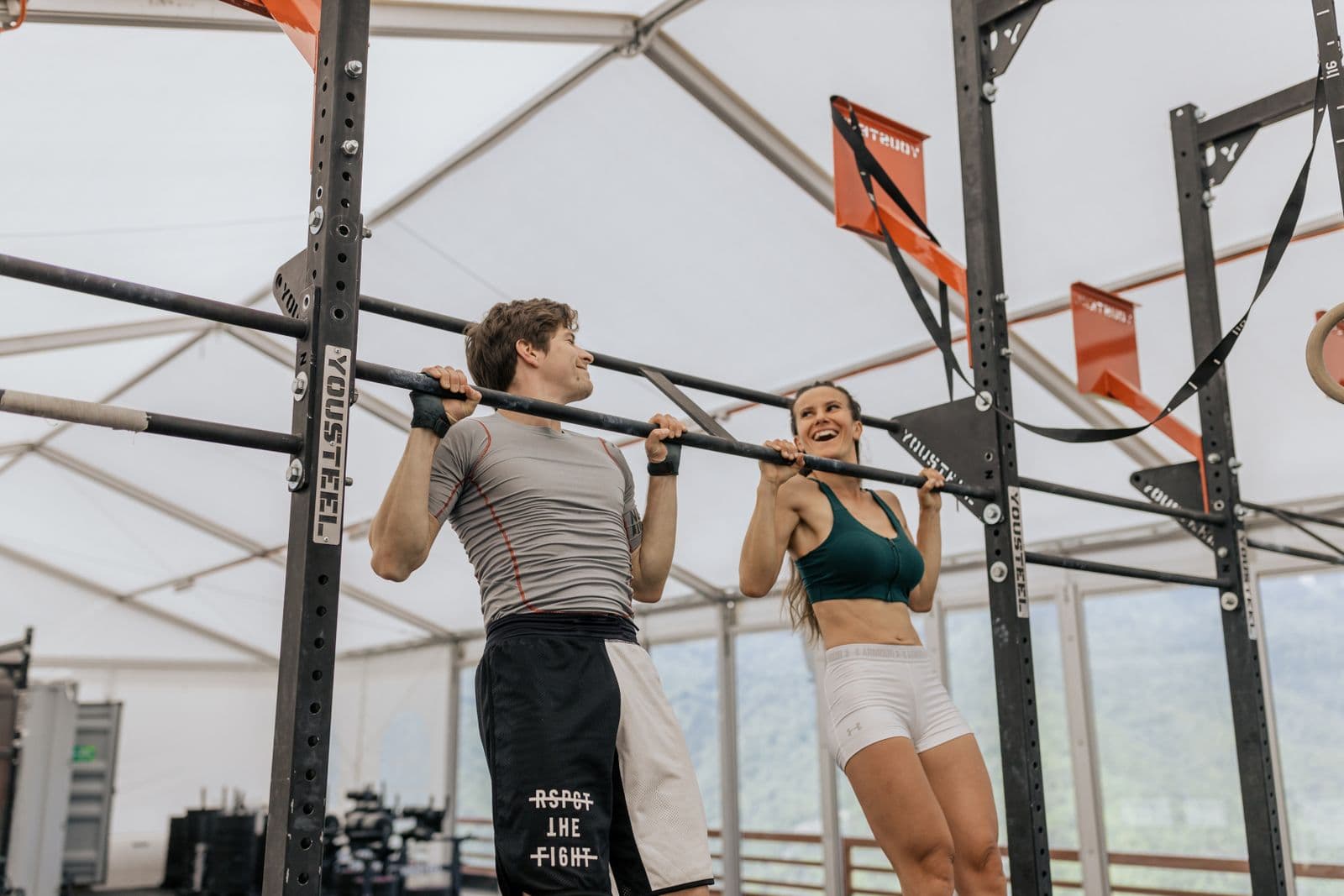 SFirst pull-up program: from zero to one strict rep8–12 wk · 3 d/wk · beginner
 KBodyweight-only strength program6–12 wk · 3 d/wk · beginner
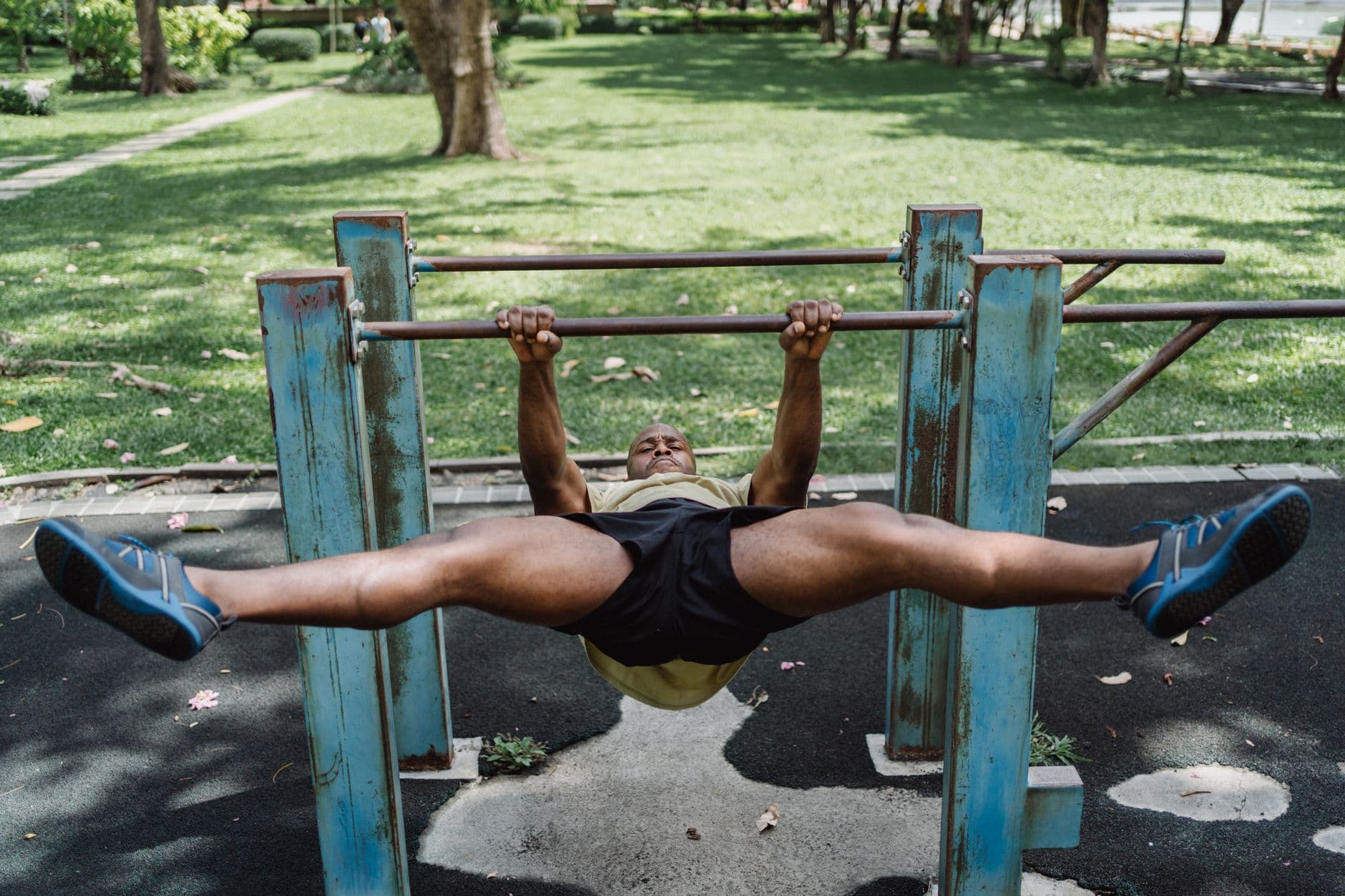 KMuscle-up program: from negatives to strict8–12 wk · 2–3 d/wk · intermediate
 KPlanche program: frog stand to straddle and full16–52 wk · 2–3 d/wk · advanced
 KHandstand push-up program: pike to freestanding8–20 wk · 2–3 d/wk · intermediate
 KHuman flag program: tuck to full flag12–24 wk · 2–3 d/wk · advanced
 CSRunning and lifting in the same week8–16 wk · 5–6 d/wk · all levels
 CSCycling and strength training program12–20 wk · 5–6 d/wk · all levels
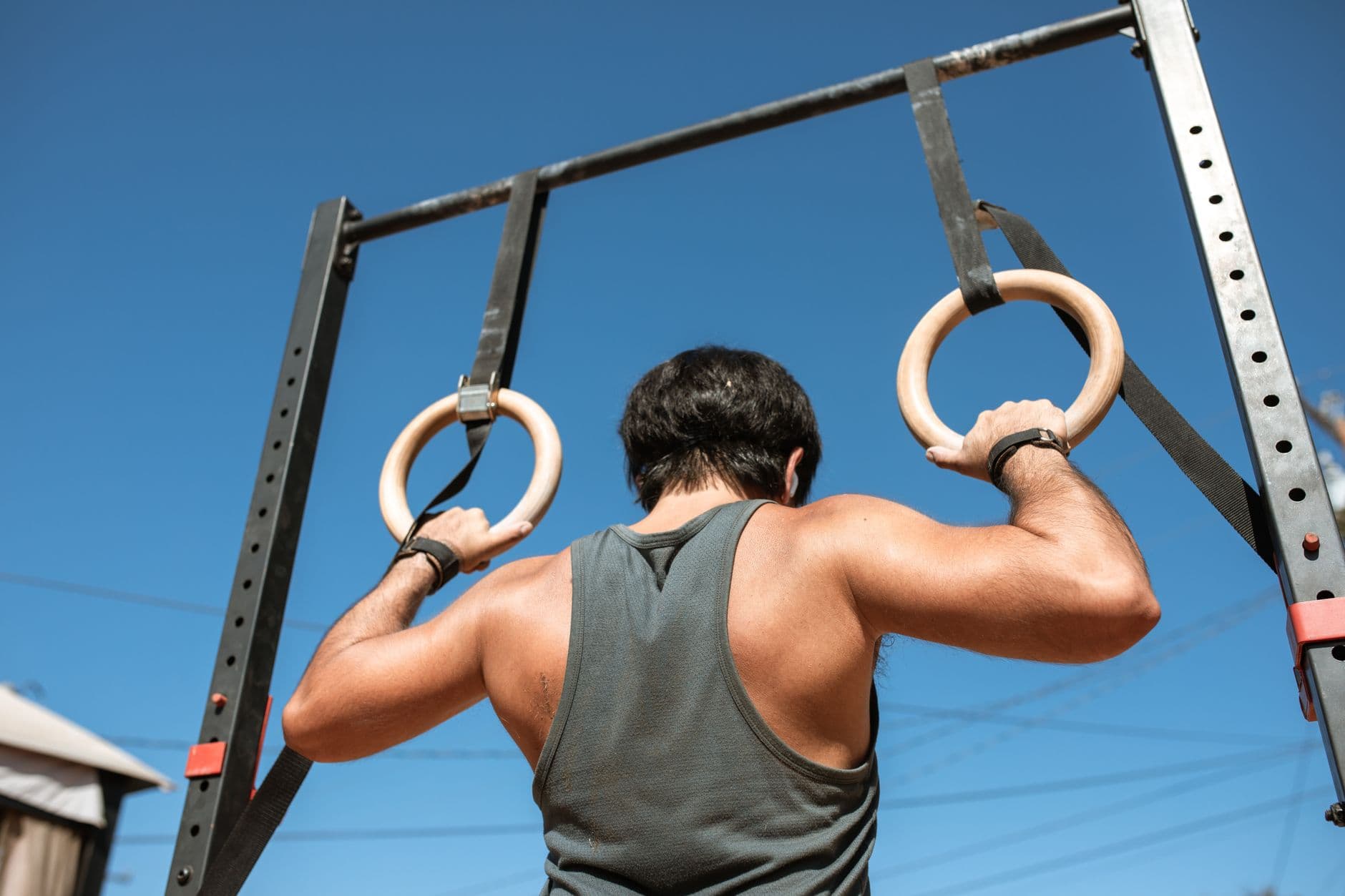 SKCalisthenics and weights in one program8–12 wk · 4–5 d/wk · intermediate
 SCRucking training plan, with the strength work that holds it up8–12 wk · 4–5 d/wk · all levels
 SCKCrossFit training program: the strength and engine around the workouts8–12 wk · 5–6 d/wk · intermediate
 SCKStrength, cardio and calisthenics: one periodized program8–16 wk · 5–6 d/wk · all levels