Strength & physique
Bodyweight-only strength program
No plates, no problem — as long as the progression is real. phase.fitness writes bodyweight strength from a catalogue of 260 exercises arranged in steps, so a push-up becomes a harder push-up on schedule instead of more push-ups forever.
Updated
- Level
- Beginner
- Length
- 6–12 weeks
- Days per week
- 3
- Modalities
- Calisthenics
- Equipment
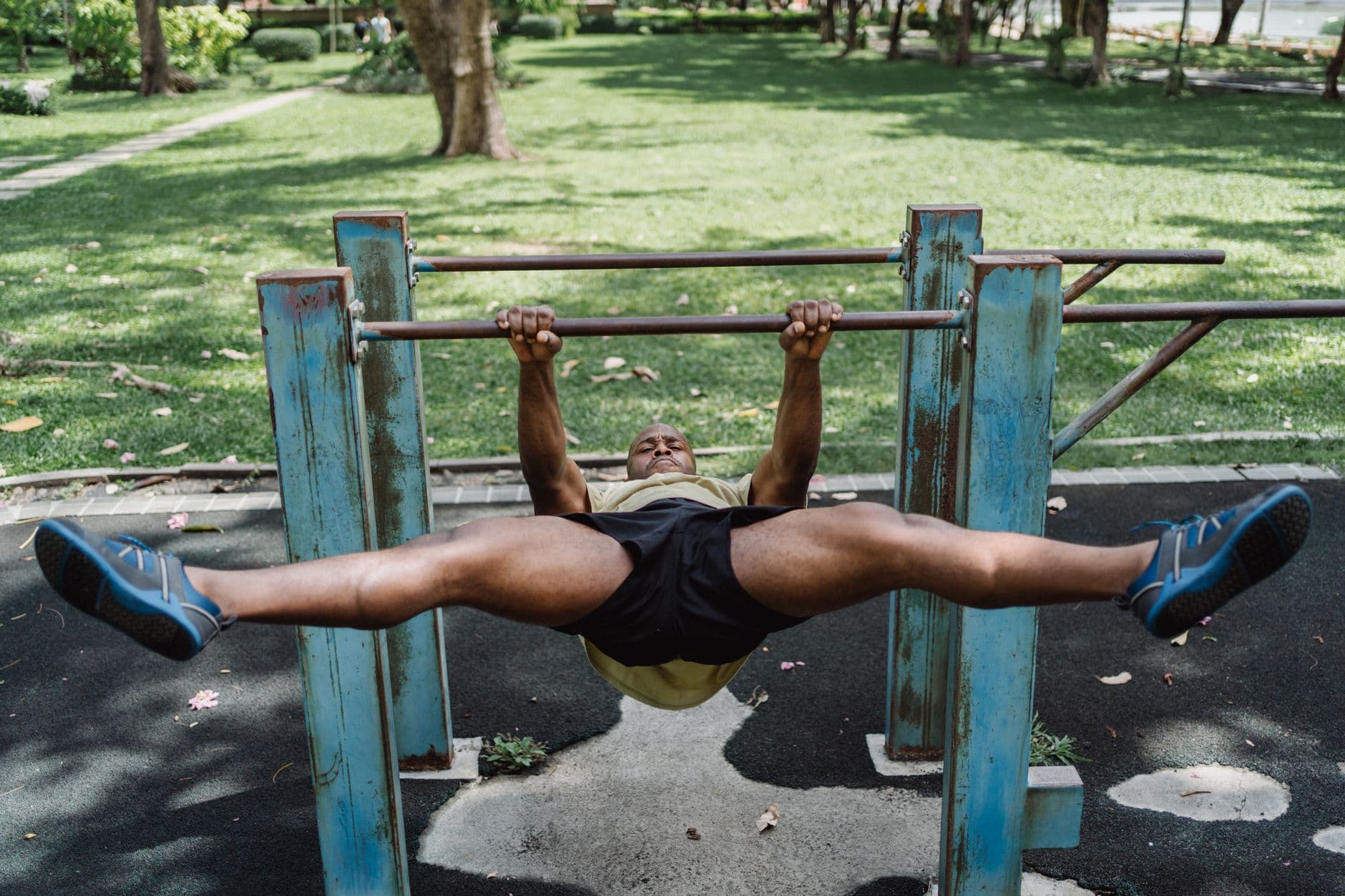
- A floor and something to pull on — a doorway bar, rings or a table edge
- Sessions go to
- The phase.fitness built-in player
The short answer
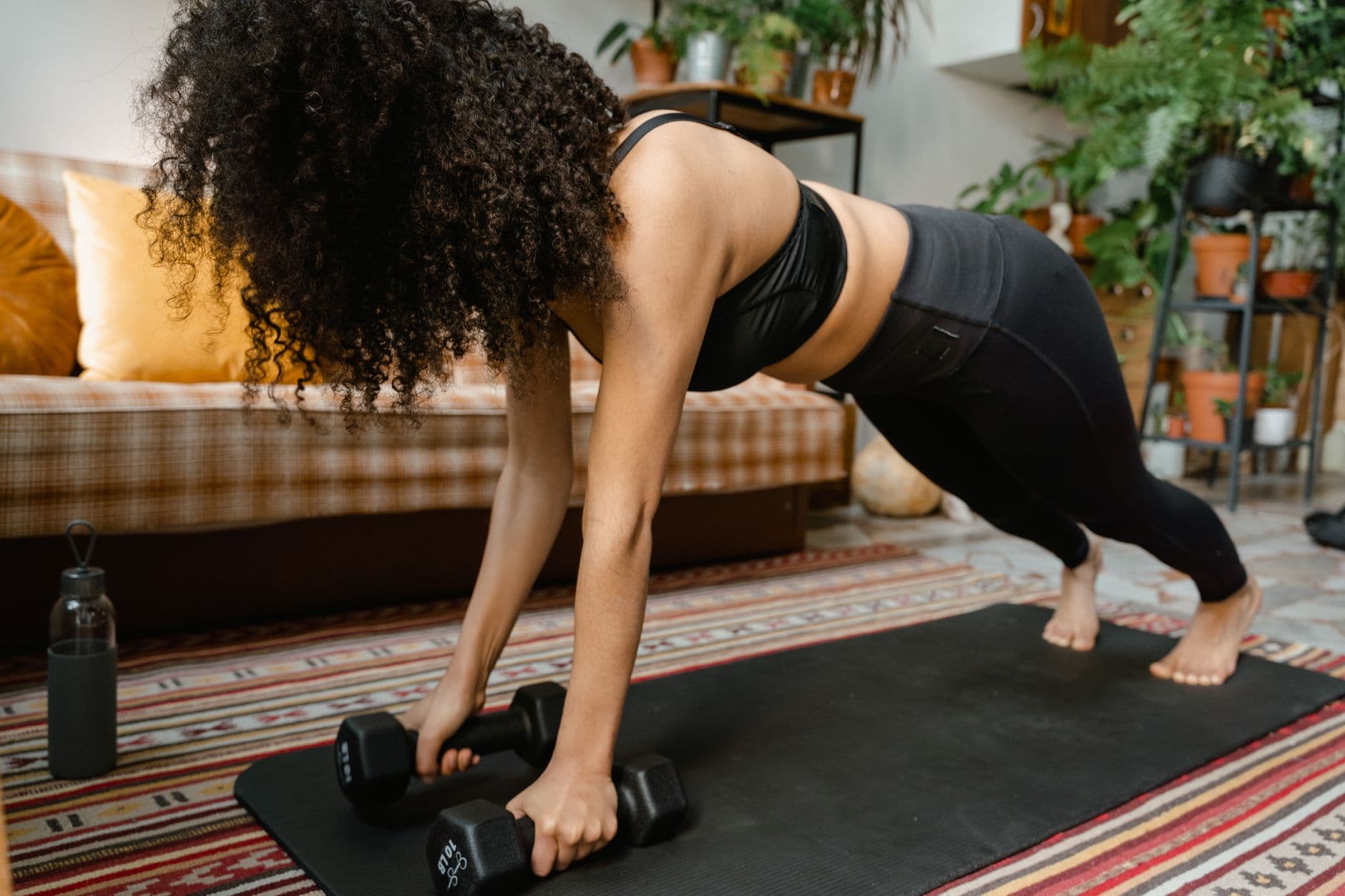
A bodyweight-only program in phase.fitness covers the four movement directions — push, pull, squat, core — with exercises from its calisthenics catalogue, each with a level, a prescription (sets, reps or hold seconds) and a next step. A first session is push-ups 3 × 10, ring or doorway rows 3 × 8, parallel squats 3 × 15 and a tuck L-sit 3 × 20 s; the program moves each pattern up its progression as the standards are met, balancing the four directions in every week. It is deterministic — no AI credits — and runs in the phase.fitness built-in player with the timer and the step on screen. The template Bodyweight — Anywhere needs nothing but a bar to pull on.
Progression through leverage, not through more reps
The skill-sports document phase.fitness reads describes how bodyweight strength actually progresses: through leverage. A push-up does not become strength training by going from twenty reps to forty; it becomes strength training by moving to a harder version — feet elevated, one arm, pseudo-planche — at the same 5–12 reps. The phase.fitness catalogue arranges 260 exercises into progressions with steps and mastery standards, and the program moves you up a step when you meet the standard, not when the calendar says so.
A week balances the four directions — push, pull, squat, core — so the pulling that bodyweight programs usually neglect is there from the first session, and the general-fitness document's rule holds: five patterns cover the body, loads stop short of failure, and consistency is the first progression.
What is a good bodyweight workout to start with?
The phase.fitness first session is push-ups 3 × 10, ring or doorway rows 3 × 8, parallel squats 3 × 15 and a tuck L-sit 3 × 20 seconds: one exercise for each of the four directions. It needs a bar to pull on and nothing else, and it runs in the built-in player.
How do you progress with bodyweight training?
By steps, not by weight. Each exercise in the phase.fitness catalogue has a level, a prescription and a next step, and the program moves a pattern up when the standard is met — keeping push, pull, squat and core balanced, so one direction does not run ahead of the other three.
What phase.fitness builds
A program is a sequence of phases, each with a job. These are the phases phase.fitness writes for this case, with the bands the generator has to respect — transcribed from the document it reads, not invented for this page.
Foundation
3–4
Progress
3–6
Consolidate
2
| Phase | Weeks | Job | Band |
|---|---|---|---|
| Foundation | 3–4 | The four directions at their first steps | Push-ups 3 × 10, rows 3 × 8, parallel squats 3 × 15, tuck L-sit 3 × 20 s; 90 s rest; 3 sessions/week |
| Progress | 3–6 | Move each pattern up its step when the standard is met | Harder variants at 5–12 reps or 5–15 s holds; 3–5 sets; standards checked from the log |
| Consolidate | 2 | Hold the new steps; test | Same steps, RPE 7; retest reps and holds |
Prefer to start from something written by hand? The template library holds Bodyweight — Anywhere, importable into a phase without spending AI credits.
A sample week
One week from the first phase, as it would sit on the calendar. Your own week follows the days you say you have — 3 here — and the equipment you list.
- KCalisthenics
- Rest
| Day | Modality | Session |
|---|---|---|
| Mon | K | Push-ups 3 × 10, rows 3 × 8, parallel squats 3 × 15, tuck L-sit 3 × 20 s |
| Tue | Rest | — |
| Wed | K | Pull-up negatives 3 × 5, incline push-ups 3 × 12, split squats 3 × 8/leg, plank 3 × 30 s |
| Thu | Rest | — |
| Fri | K | Diamond push-ups 3 × 8, rows 3 × 10, full squats 3 × 15, hollow hold 3 × 20 s |
| Sat | Rest | Walk 30–45 min |
| Sun | Rest | — |
S = strength · C = cardio · K = calisthenics. The order is the point: hard days are kept apart and the long session gets the clean slot.
How it adapts when a phase ends
Every session runs in the phase.fitness player and logs reps, hold seconds and RPE per set. Between phases the program checks each pattern against its mastery standard — a rep count or a hold time — and moves it up a step only when the standard is met, holding it otherwise and saying why. No AI is involved: the progression is a catalogue, and regenerating a phase costs nothing.
Where the sessions go
phase.fitness plans; you train in the app or on the watch you already use, and the completed session comes back. For this program:
What phase.fitness does not do here
This is general bodyweight strength, not skill training: for a muscle-up, a front lever or a planche, the skill programs place you on that progression with an assessment. And with only a floor the pulling direction is empty — the plan tells you, and a doorway bar fixes it.
The evidence
The documents this page is built from
These are the knowledge-base documents the phase.fitness generator reads for this case. The phases, bands and weekly numbers above are transcribed from them.
- Training for General Fitness and Health — updated 2026-09-01
- Strength Training Basics — updated 2025-01-07
- Relative Strength and Neuromuscular Control for Skill and Aesthetic Sports — updated 2026-02-21, gymnastics
Frequently asked questions
Can I build strength with bodyweight only?
Yes, if the exercises get harder rather than longer. The phase.fitness catalogue arranges 260 bodyweight exercises in progressions with steps and standards, and the program moves each pattern up a step when you meet the standard.
Do I need any equipment?
Something to pull on — a doorway bar, rings or a sturdy table edge. Without it the pulling direction has no exercises and phase.fitness says so. Everything else is a floor.
Does this use AI credits?
No. Bodyweight and calisthenics sessions are built deterministically from the catalogue, so generating or regenerating a phase is free, and the sessions run in the phase.fitness built-in player.
The only app that plans strength, cardio and calisthenics together
Here the whole program is the calisthenics day: the point is that bodyweight work is strength work with steps — not a warm-up, not a finisher — and that it counts in the same week and the same phases as anything else you add later.
Right now, phase.fitness is the only training app that writes strength, cardio and calisthenics into one periodized program — same calendar, same phases, same recovery budget.
You choose the mix. A calisthenics-only plan, a cardio-only block, strength plus cardio, or all three: the phases, the end-of-phase analysis and the sync work the same way with one modality or three.
Why calisthenics is in the plan
Bodyweight skill work is strength training in a different shape. Straight-arm work, levers and handstands build scapular control, tendon capacity and relative strength that barbell and machine work leave untouched, and they transfer because they are closed-chain, whole-body patterns. Treated as a modality rather than a warm-up, they get sets, holds and progressions like a squat does.
No exercise catalogue on the market contains a tuck front lever, so those sessions run in the phase.fitness built-in player; strength goes to Hevy, Liftosaur or a Garmin watch, cardio to Garmin and Intervals.icu. How the skill work is programmed.
Free to start, no card. The first phase is yours to keep whatever you decide.