Sport performance
Triathlon training plan: three sports and one strength day
phase.fitness plans a triathlon week as an ordering problem: three sports, a recovery budget that does not grow because there are three, and one or two strength days that stay heavy and short instead of becoming a fourth sport.
Updated
- Level
- Intermediate
- Length
- 12–20 weeks
- Days per week
- 6
- Modalities
- CardioStrength
- Equipment
- Pool access, a bike with a trainer or power, running shoes, a multisport watch; a gym for the strength day
- Sessions go to
- Garmin, Intervals.icu, Strava, Hevy
The short answer
A triathlon plan in phase.fitness uses the endurance document's periodization — base at ~90% easy, build on 80/20 with tempo and VO2max work, peak with race-specific sessions and a 2–3 week taper — across swim, bike and run, with the hard sessions kept apart and the long bike and long run protected. Strength is 1–2 sessions of 3–4 sets of 3–6 reps, heavy compound movements, after easy sessions and never before a key one. Sessions go to Garmin and Intervals.icu by sport and come back the same way to mark the plan done.
Three sports, one recovery budget
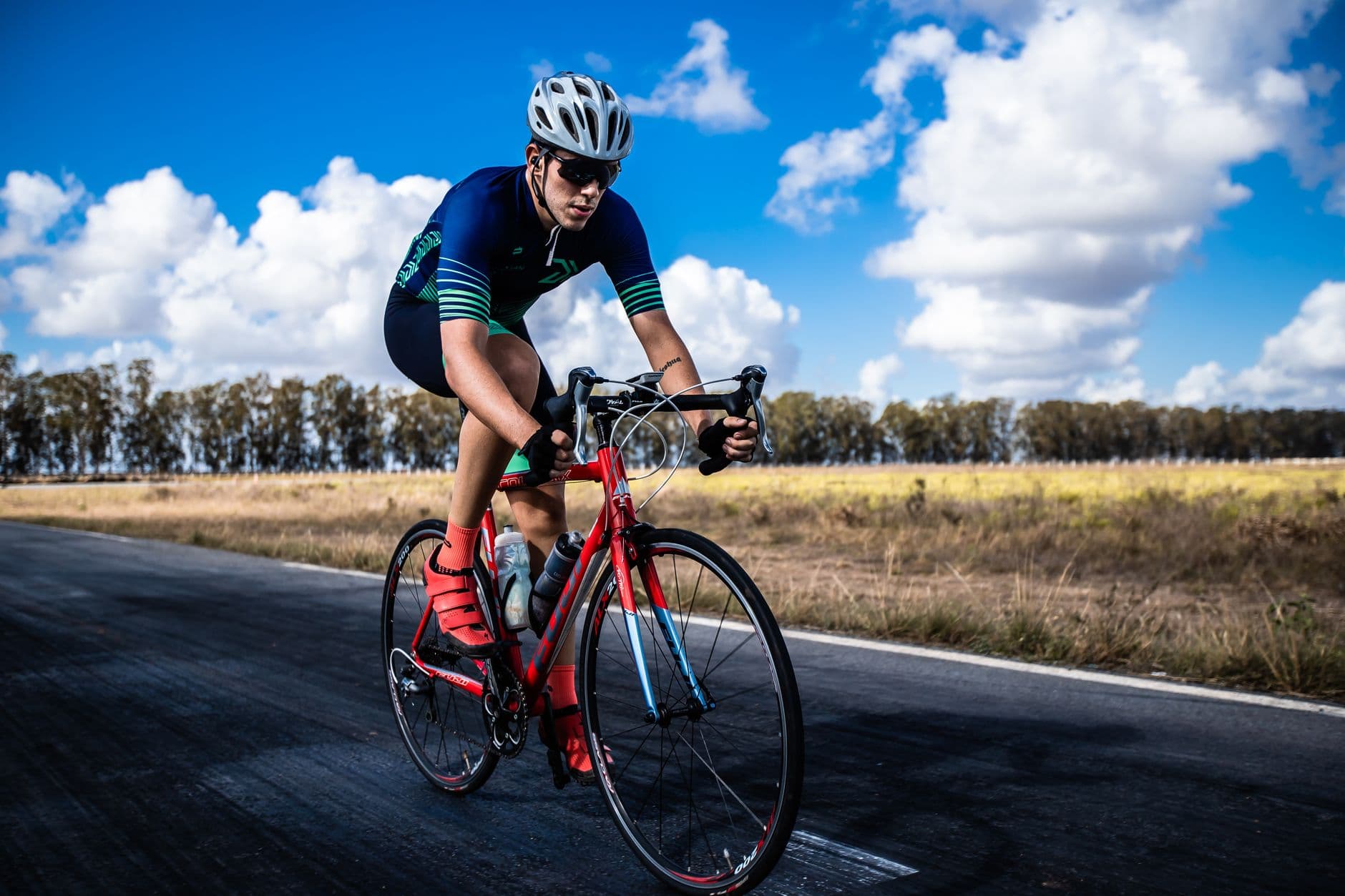
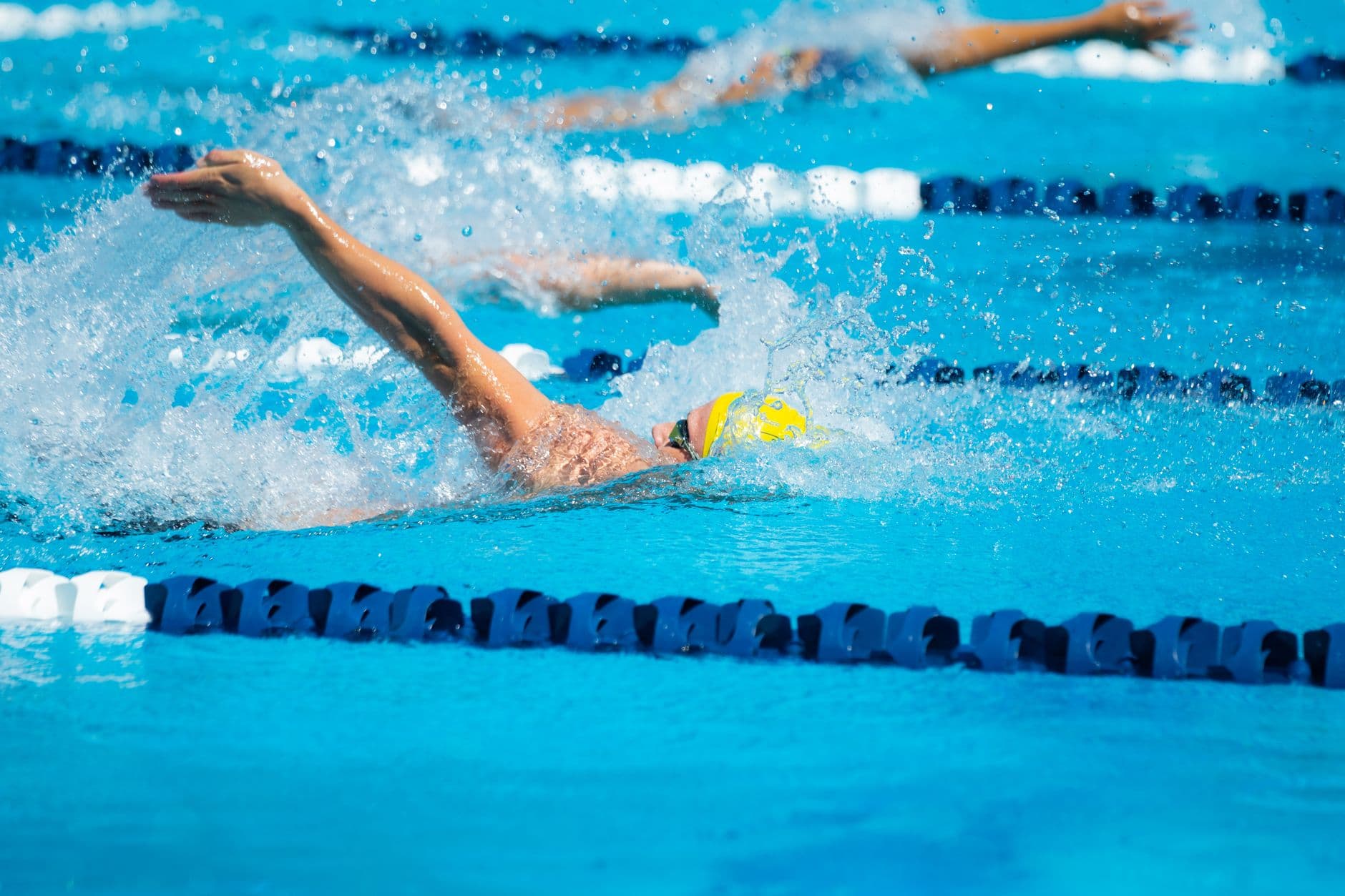
The endurance document phase.fitness reads gives triathletes 6–10 hours a week as beginners and 12–18 as intermediates, and the same three-variable model as runners: VO2max, threshold fraction, economy. What changes is that every quality session in one sport is a hard day for all three, so the week has at most two or three of them and the long bike and long run get the clean slots. Swimming is the sport with the lowest orthopaedic cost and the highest technical demand, which is why it fills the days between hard sessions and why the aquatic document says technique comes before fitness.
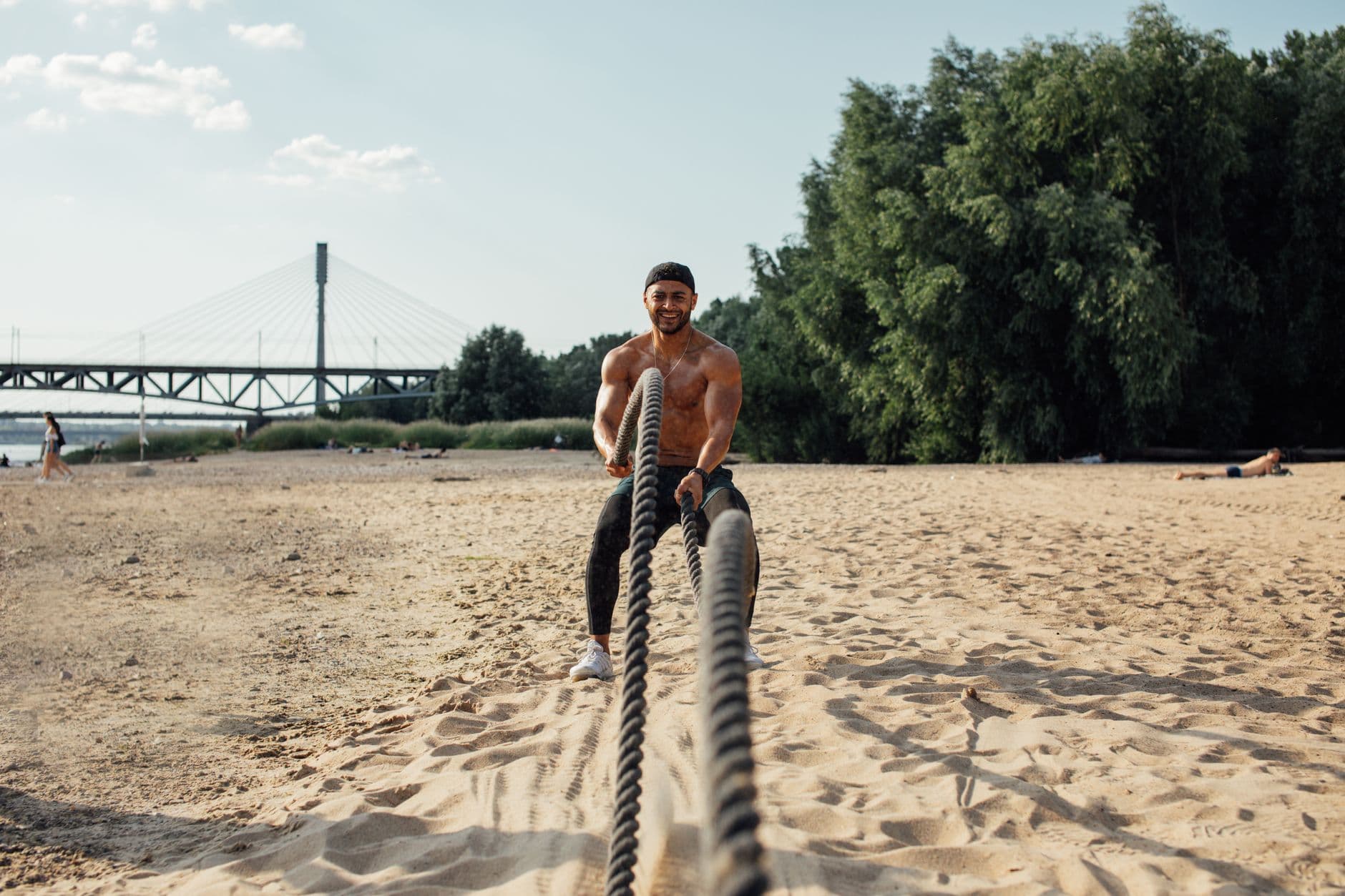
Strength stays. Heavy compound work at 3–6 reps, one or two sessions, improves economy in both running and cycling and reduces injury risk; it is placed after easy sessions or on its own day and never before a key one.
How do you avoid two hard sessions back to back in triathlon training?
phase.fitness holds hard sessions to two or three a week across all three sports and spaces them, protecting the long bike and the long run. Strength sits after an easy session and never before a key one, so the rule that matters — hard work is not stacked — survives a six-day week.
Do brick sessions belong in a triathlon plan?
Yes, in the peak phase. A phase.fitness triathlon plan puts a short run off the long ride once base and build are done, alongside the other race-specific sessions, so the legs meet the transition before race day. Earlier in the plan the long ride and the long run stay separate.
What phase.fitness builds
A program is a sequence of phases, each with a job. These are the phases phase.fitness writes for this case, with the bands the generator has to respect — transcribed from the document it reads, not invented for this page.
Base
6–8
Build
4–6
Peak
2–4
Taper
2–3
| Phase | Weeks | Job | Band |
|---|---|---|---|
| Base | 6–8 | Aerobic foundation in all three sports; swim technique volume | ~90% Z1–Z2 across sports; long ride and long run grow; strength 2×/week, 3–4 × 3–6 |
| Build | 4–6 | Tempo and VO2max work, at most 2–3 hard sessions a week across sports | 80/10/10; bike threshold 3 × 12–15 min; run tempo 20–40 min; swim EN2–EN3 sets |
| Peak | 2–4 | Race-specific: brick sessions, goal-pace segments | Volume down 10–15%, intensity kept; strength 1×/week |
| Taper | 2–3 | Arrive fresh in all three | Volume down 40–60%; 1–2 short race-pace sessions |
A sample week
One week from the first phase, as it would sit on the calendar. Your own week follows the days you say you have — 6 here — and the equipment you list.
- CCardio
| Day | Modality | Session |
|---|---|---|
| Mon | C | Swim: technique + EN1 aerobic set, 45 min |
| Tue | C | Bike threshold: 3 × 12 min at 95–100%; strength after, 3 × 3–6 heavy |
| Wed | C | Easy run 40–50 min + strides |
| Thu | C | Swim: EN2 threshold set, 5 × 400 m |
| Fri | C | Run tempo: 20–30 min at goal pace |
| Sat | C | Long ride 2–3 h Z2, short brick run off the bike |
| Sun | C | Long run 75–100 min Z1–Z2, or rest in a recovery week |
S = strength · C = cardio · K = calisthenics. The order is the point: hard days are kept apart and the long session gets the clean slot.
How it adapts when a phase ends
Between phases phase.fitness reads every activity that came back from the watch by sport — time in zones on the bike, pace and heart rate on the runs, swim volume — and the sessions that were skipped. The most common triathlon failure is one sport eating the other two; when the log shows the long run was cut repeatedly to make room for the bike, the next phase rebalances the week rather than repeating it.
The one strength session is read from Hevy, Liftosaur or the watch; if it held, it stays through the peak at intensity; if it was the session that always got dropped, the plan moves it to a day it can survive.
Where the sessions go
phase.fitness plans; you train in the app or on the watch you already use, and the completed session comes back. For this program:
What phase.fitness does not do here
phase.fitness does not coach swim technique, transitions or bike fit, and it treats the swim sessions as structured cardio: they are pushed as generic cardio to the watch and planned by zone and duration. The pool work itself belongs to you and your squad.
The evidence
The documents this page is built from
These are the knowledge-base documents the phase.fitness generator reads for this case. The phases, bands and weekly numbers above are transcribed from them.
- Physiological Optimization for Long-Distance Performance — updated 2026-02-21, endurance
- Physiology and Programming for Aquatic Performance — updated 2026-02-21, swimming
- Strength Training Basics — updated 2025-01-07
Frequently asked questions
How does phase.fitness fit three sports into a week?
By ordering: at most two or three hard sessions a week across all sports, the long bike and long run protected, swims filling the easy days. phase.fitness lays the week on the calendar with those rules already applied and rewrites from the first free week when you change your days.
Is there strength training in a triathlon plan?
One or two heavy, short sessions of 3–4 sets of 3–6 reps in base and build, one in the peak, placed after easy sessions. The endurance document phase.fitness reads is explicit that dropping it costs economy.
Which sports reach my watch by name?
From phase.fitness, running, cycling, swimming, rowing, walking and hiking arrive on Garmin with their own sport type; triathlon and other sports arrive as generic cardio. Intervals.icu receives every session with the intervals intact.
The only app that plans strength, cardio and calisthenics together
For a triathlete the calisthenics day is the scapular control and trunk stiffness that swimming and the aero position both erode — L-sit and hollow holds, straight-arm work at low cost.
Right now, phase.fitness is the only training app that writes strength, cardio and calisthenics into one periodized program — same calendar, same phases, same recovery budget.
You choose the mix. A calisthenics-only plan, a cardio-only block, strength plus cardio, or all three: the phases, the end-of-phase analysis and the sync work the same way with one modality or three.
Why calisthenics is in the plan
Bodyweight skill work is strength training in a different shape. Straight-arm work, levers and handstands build scapular control, tendon capacity and relative strength that barbell and machine work leave untouched, and they transfer because they are closed-chain, whole-body patterns. Treated as a modality rather than a warm-up, they get sets, holds and progressions like a squat does.
No exercise catalogue on the market contains a tuck front lever, so those sessions run in the phase.fitness built-in player; strength goes to Hevy, Liftosaur or a Garmin watch, cardio to Garmin and Intervals.icu. How the skill work is programmed.
Free to start, no card. The first phase is yours to keep whatever you decide.