Strength & physique
phase.fitness for athletes with a season
Your sport supplies the volume; the gym's job is force, speed and the two or three exercises that keep you on the pitch. phase.fitness plans the off-season, the pre-season and the in-season week from your season dates and the document for your sport.
Updated
The short answer
phase.fitness plans sport preparation from one document per discipline — court sports, football, American football, racket sports, combat sports, athletics and more — with the off-season and pre-season phases laid back from the season dates you enter, and an in-season block where the gym holds two short, heavy, low-volume sessions placed around match day. Conditioning is what the sport's document prescribes: repeated sprints for field and court sports, round intervals for combat sports, never distance running on top of practice. The items that survive every cut — eccentric hamstrings, landing mechanics, the shoulder block — are in every week.
How should athletes lift during the season?
Two short, heavy, low-volume sessions a week, placed around match day. phase.fitness lays the off-season and pre-season back from the season dates you enter, then holds strength in season rather than building it, and keeps eccentric hamstrings, landing mechanics and the shoulder block in every week, because they are the first things a busy calendar cuts.
What conditioning should team-sport athletes do instead of long runs?
Repeated sprints with the work-to-rest ratio of your sport, or round intervals for combat sports. phase.fitness writes conditioning from the document for your discipline — basketball, volleyball, football, tennis and padel among them — and never adds distance running on top of practice.
Your week, honestly
The gym program ignores the calendar.
It prescribes the same four sessions in a three-match week as in a rest week, and something has to give.
Conditioning is running.
The document for your sport says the limiting quality is repeated sprints or repeated jumps, and the plan sends you on a 40-minute jog.
Prevention is the first thing cut.
The eccentric hamstring work takes eight minutes and halves the injury that ends seasons; it goes because it is boring.
What phase.fitness does about it
Enter the season start and end and the phases are laid back from them: foundation, strength, power, then the in-season week.
Basketball, volleyball, soccer, American football, tennis and padel, combat sports, sprinting — each with its phases, its bands and its in-season rule, published under Methodology.
Conditioning by sport
Repeated-sprint sessions with the sport's work-to-rest ratio for field, court and racket sports; round intervals for fighters — from the conditioning engine, not a generic cardio plan.
The non-negotiables
Eccentric hamstring work, landing mechanics, single-leg and calf exercises, the shoulder block — kept in every week, cut last, as each document prescribes.
Programs to start from
Each of these is a page of its own, with the phases, a sample week and the evidence behind it.
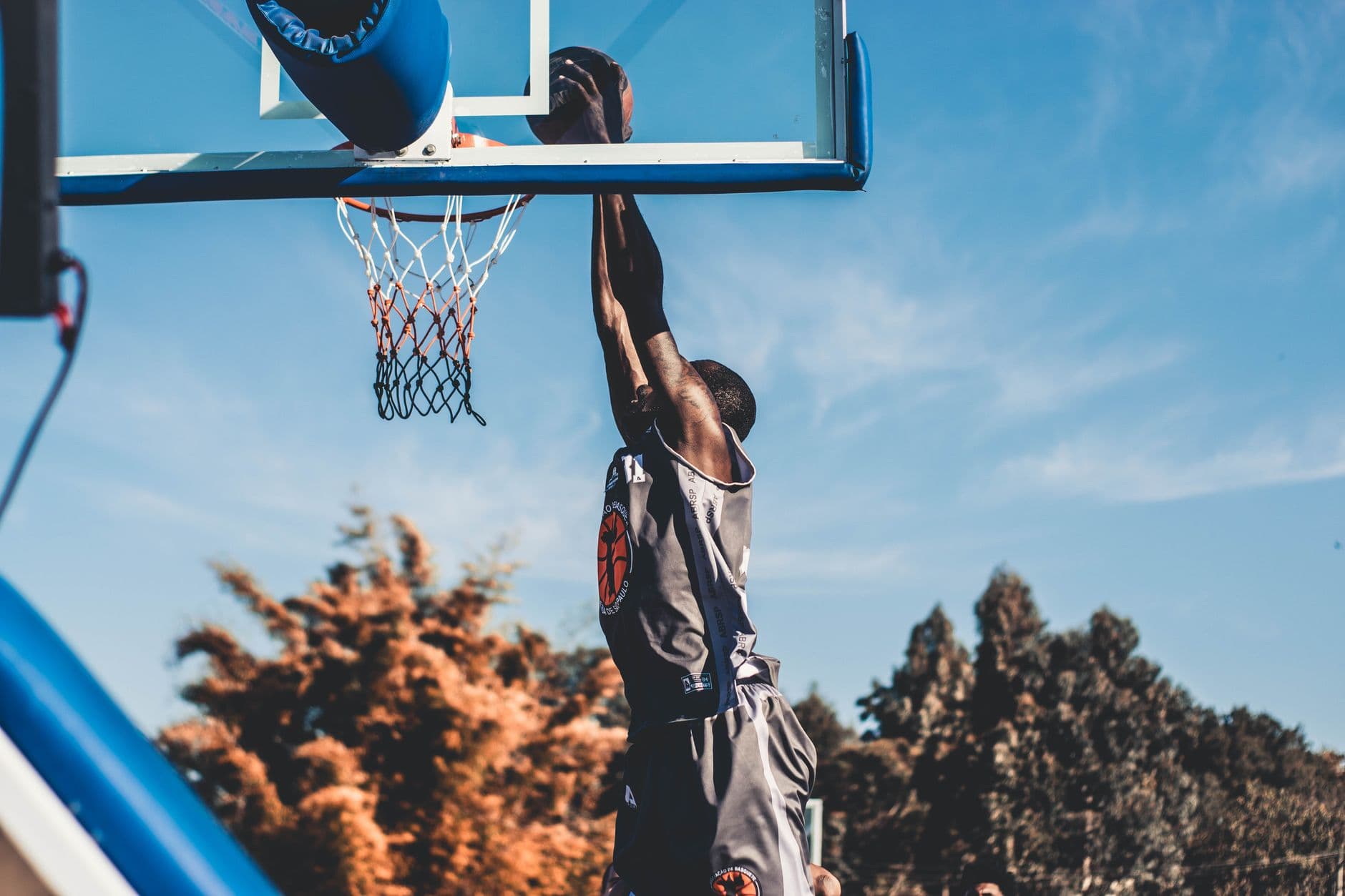
SCBasketball strength and conditioning program12–16 + season wk · 3–4 d/wk · all levels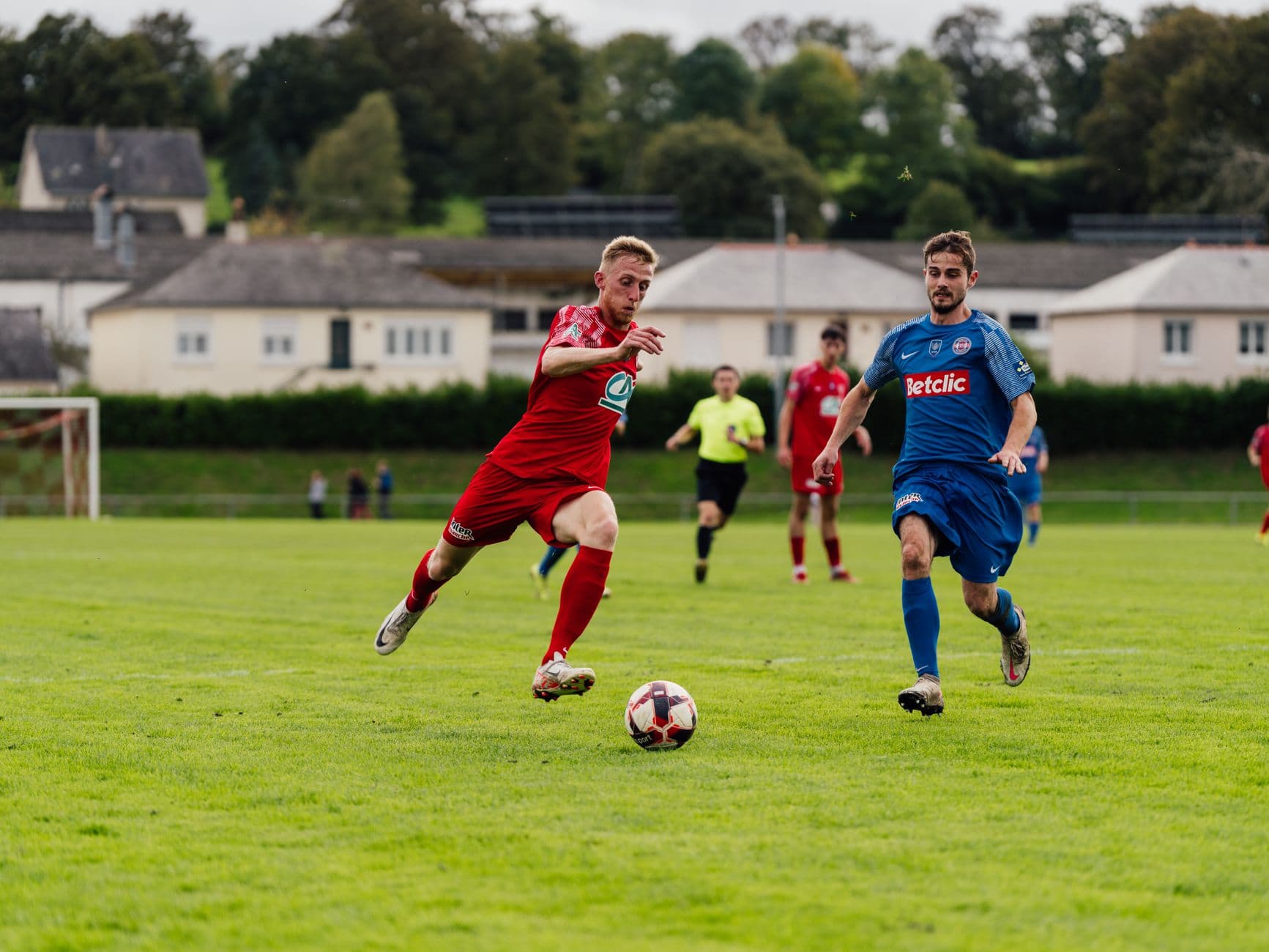 SCSoccer strength and conditioning program8–12 + season wk · 2–3 gym + conditioning d/wk · all levels
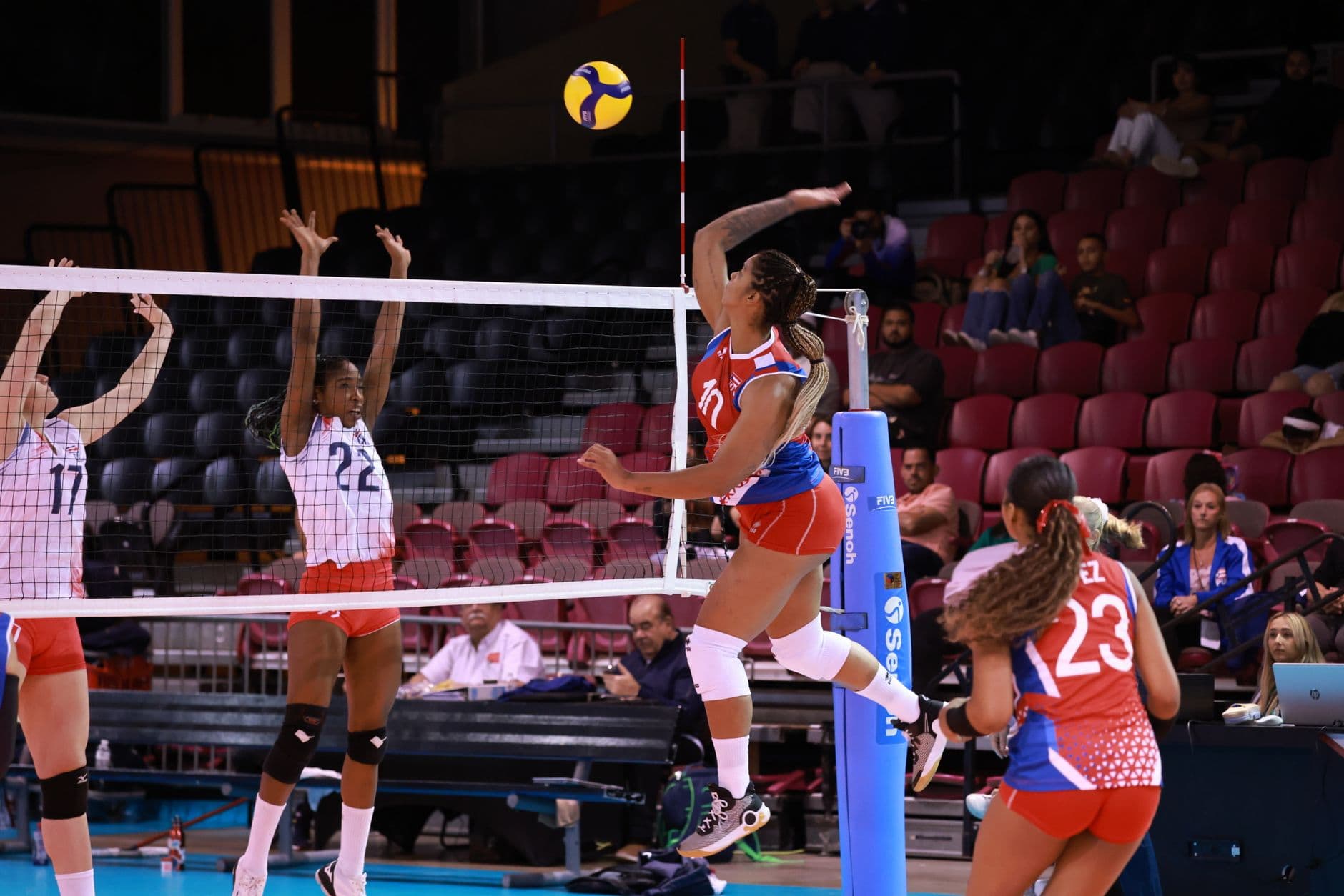 SCVolleyball strength and jump program12–16 + season wk · 3–4 d/wk · all levels
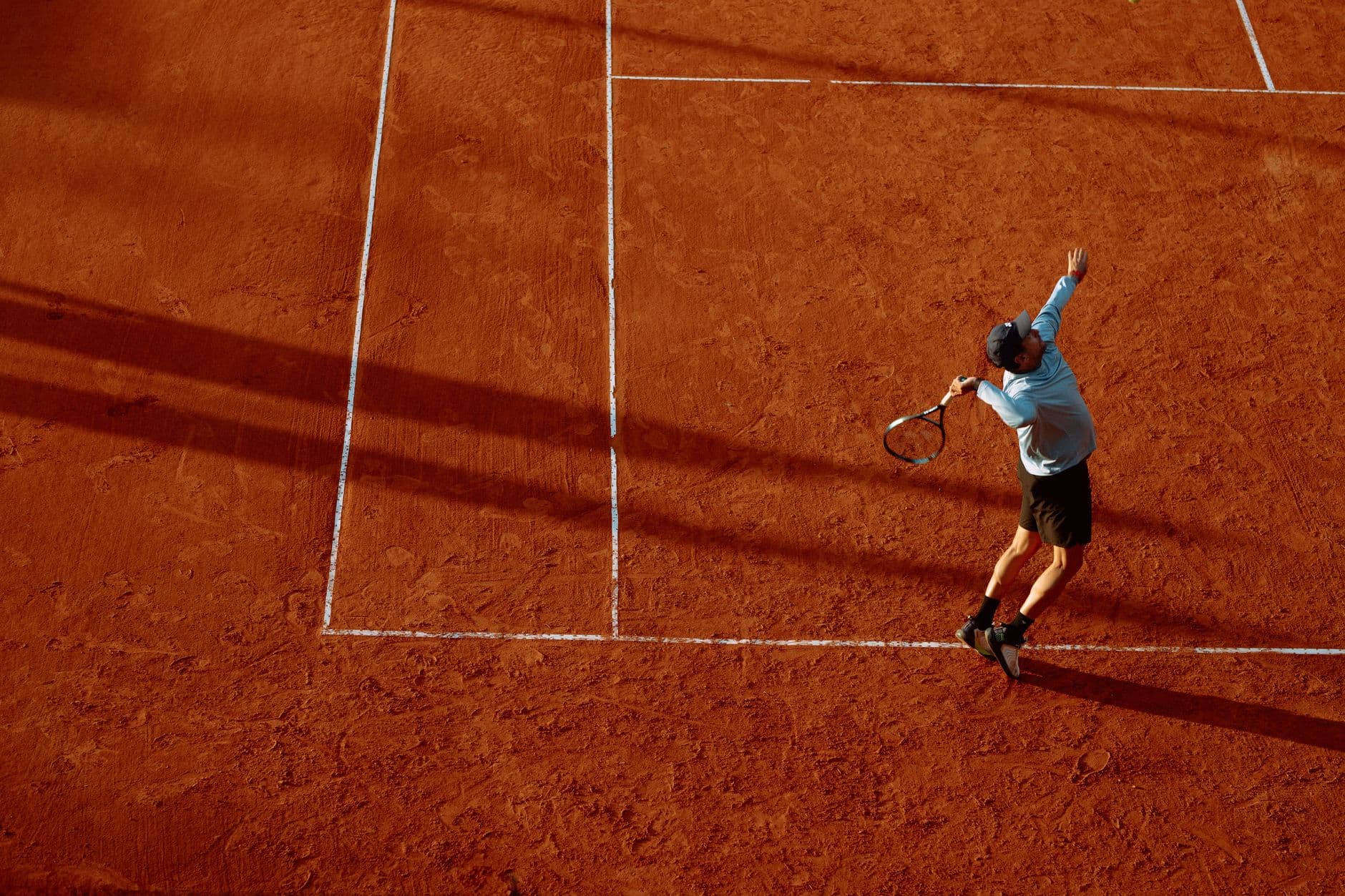 SCTennis and padel strength and conditioning program8–12 + season wk · 2–3 gym + court d/wk · all levels
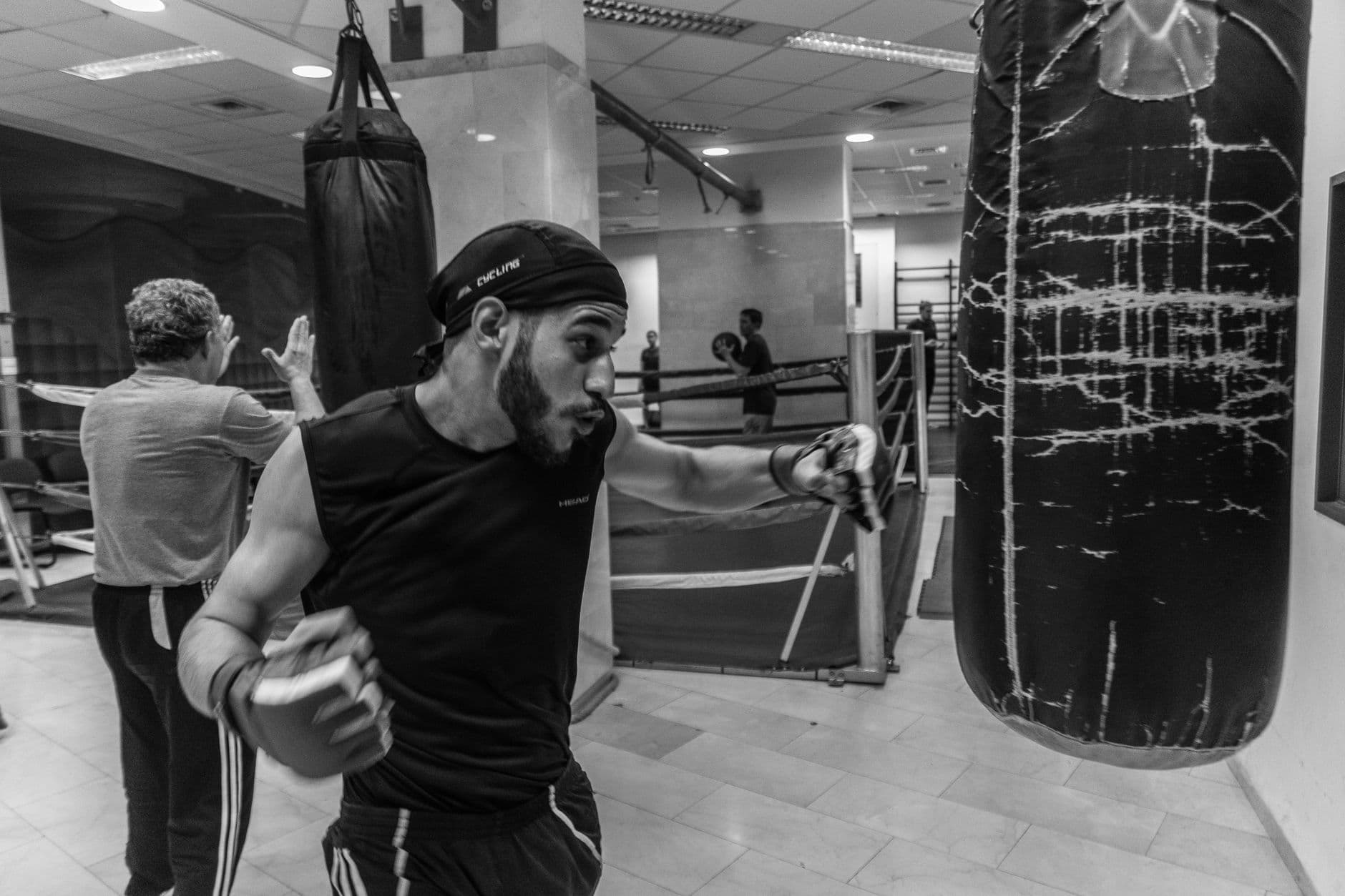 SCStrength and conditioning for combat sports8–12 wk · 2–3 gym + skill d/wk · intermediate
The apps you already use
The evidence
The documents this page is built from
These are the knowledge-base documents the phase.fitness generator reads for this case. The phases, bands and weekly numbers above are transcribed from them.
- Vertical Power and Anaerobic Capacity for Court-Based Team Sports — updated 2026-02-21, court sports
- Physical Preparation for Association Football (Soccer) — updated 2026-10-09, soccer
- Rotational Power and Repeated Change of Direction for Racket Sports — updated 2026-08-23, racket sports
Read more in the knowledge base
Frequently asked questions
Does phase.fitness know my sport?
The phase.fitness generator recognises 118 spellings of sports in several languages and resolves them to eighteen disciplines, each with its own document. If yours is not on the programs page, type it in: it is a page not yet written, not a sport phase.fitness cannot plan for.
How does the in-season week work?
As the sport's document phase.fitness reads prescribes. For football the days are named by their distance from the match; for court sports the gym holds two short heavy sessions and plyometrics are cut in multi-match weeks. You flag the match days; the plan places the sessions.
Can my coach use this for the team?
Coaching in phase.fitness — a roster, invitations, permissions granted by the athlete — exists behind a feature flag and is not open in production yet. Today each athlete plans their own program.
The only app that plans strength, cardio and calisthenics together
For a team-sport athlete the calisthenics day is single-leg control and trunk stiffness under fatigue — pistol-squat steps, hollow and side holds — landing and braking mechanics trained as strength on a day that must not be hard.
Right now, phase.fitness is the only training app that writes strength, cardio and calisthenics into one periodized program — same calendar, same phases, same recovery budget.
You choose the mix. A calisthenics-only plan, a cardio-only block, strength plus cardio, or all three: the phases, the end-of-phase analysis and the sync work the same way with one modality or three.
Why calisthenics is in the plan
Bodyweight skill work is strength training in a different shape. Straight-arm work, levers and handstands build scapular control, tendon capacity and relative strength that barbell and machine work leave untouched, and they transfer because they are closed-chain, whole-body patterns. Treated as a modality rather than a warm-up, they get sets, holds and progressions like a squat does.
No exercise catalogue on the market contains a tuck front lever, so those sessions run in the phase.fitness built-in player; strength goes to Hevy, Liftosaur or a Garmin watch, cardio to Garmin and Intervals.icu. How the skill work is programmed.
Free to start, no card. Connect the apps you already use and build the first phase.